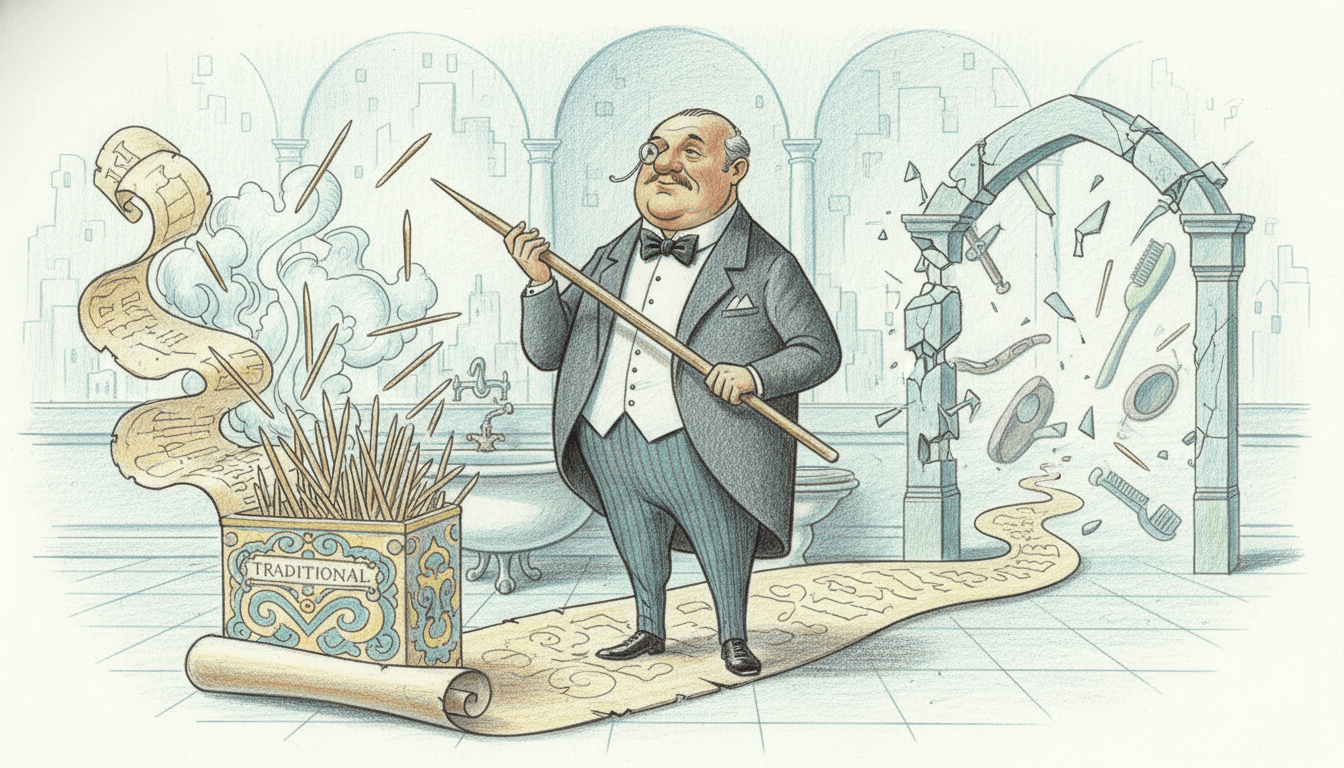
Toothpicks: Traditional Interdental Cleaning Tools No Longer Recommended by Dental Professionals
Toothpicks, once ubiquitous in oral hygiene routines, are now largely discouraged by dental professionals due to significant injury risks. These wooden or plastic implements can cause gum trauma, enamel damage, and even introduce harmful bacteria. Modern dentistry recommends safer, more effective alternatives like interdental brushes, dental floss, and water flossers that clean interdental spaces without the dangers associated with traditional toothpicks. Understanding why this shift occurred helps consumers make informed decisions about their oral health maintenance.
Toothpicks represent one of humanity's oldest oral hygiene implements, with archaeological evidence dating back to prehistoric times. These simple wooden or plastic sticks were historically praised for their ability to dislodge food particles from between teeth. However, contemporary dental research and clinical experience have revealed significant drawbacks that have led most dental professionals to actively discourage their use. According to Dental Safety Guidelines, toothpicks now carry a 'Not recommended' status due to documented risks of gum injury and other oral health complications. This comprehensive analysis examines why this traditional tool has fallen out of favor and explores the superior interdental cleaning alternatives available to modern consumers.
Product Comparison
1Traditional Toothpicks
Pros
- Immediate food particle removal
- Widely available and inexpensive
- Portable and convenient for occasional use
Cons
- High risk of gum laceration and trauma
- Potential for tooth enamel damage
- Can push debris deeper into gum pockets
- Risk of toothpick fragments breaking off
- May cause gingival recession over time
- Cannot effectively remove plaque biofilm
Specifications
2Interdental Brushes
Pros
- Clinically proven plaque removal efficacy
- Designed to conform to interdental spaces
- Multiple size options for customized fit
- Gentle on gum tissues when used properly
- Reusable with proper maintenance
- ADA Seal of Acceptance available on many models
Cons
- Requires proper size selection for effectiveness
- May not fit extremely tight contacts
- Regular replacement necessary
- Higher initial cost than toothpicks
Specifications
3Water Flossers
Pros
- Excellent for patients with braces or bridges
- Massages gums while cleaning
- Adjustable pressure settings
- Effective for deep pocket cleaning
- Easy for users with dexterity challenges
- Clinical reduction of gingivitis by 50%
Cons
- Higher initial investment
- Requires electricity or batteries
- Learning curve for proper technique
- Not as portable as other options
Specifications
Comparison Table
| Feature | Toothpicks | Interdental Brushes | Dental Floss | Water Flossers |
|---|---|---|---|---|
| Professional Recommendation | Not Recommended | Highly Recommended | Highly Recommended | Recommended |
| Gum Safety | High Risk | Low Risk | Low Risk | Very Low Risk |
| Plaque Removal Efficacy | 15-20% | 85-95% | 70-80% | 75-90% |
| Ease of Use | Moderate | Easy | Moderate | Very Easy |
| Cost Per Use | $0.01-0.05 | $0.10-0.25 | $0.05-0.15 | $0.15-0.30 |
| Portability | Excellent | Good | Excellent | Poor |
| Learning Curve | Low | Moderate | High | Low |
Verdict
Based on comprehensive dental research and clinical evidence, traditional toothpicks should be eliminated from modern oral hygiene routines. The American Dental Association and international dental organizations consistently recommend against their use due to documented risks of gingival injury, potential for introducing pathogens, and inadequate plaque removal capabilities. Superior alternatives like interdental brushes demonstrate 4-5 times greater plaque removal effectiveness while maintaining gum safety. For optimal interdental health, consumers should transition to evidence-based tools that combine safety with clinical efficacy, following professional guidance for proper technique and tool selection based on individual dental anatomy and specific oral health needs.