A Holistic Approach to Dental Anxiety Management: Strategies for Psychological Well-being and Oral Health
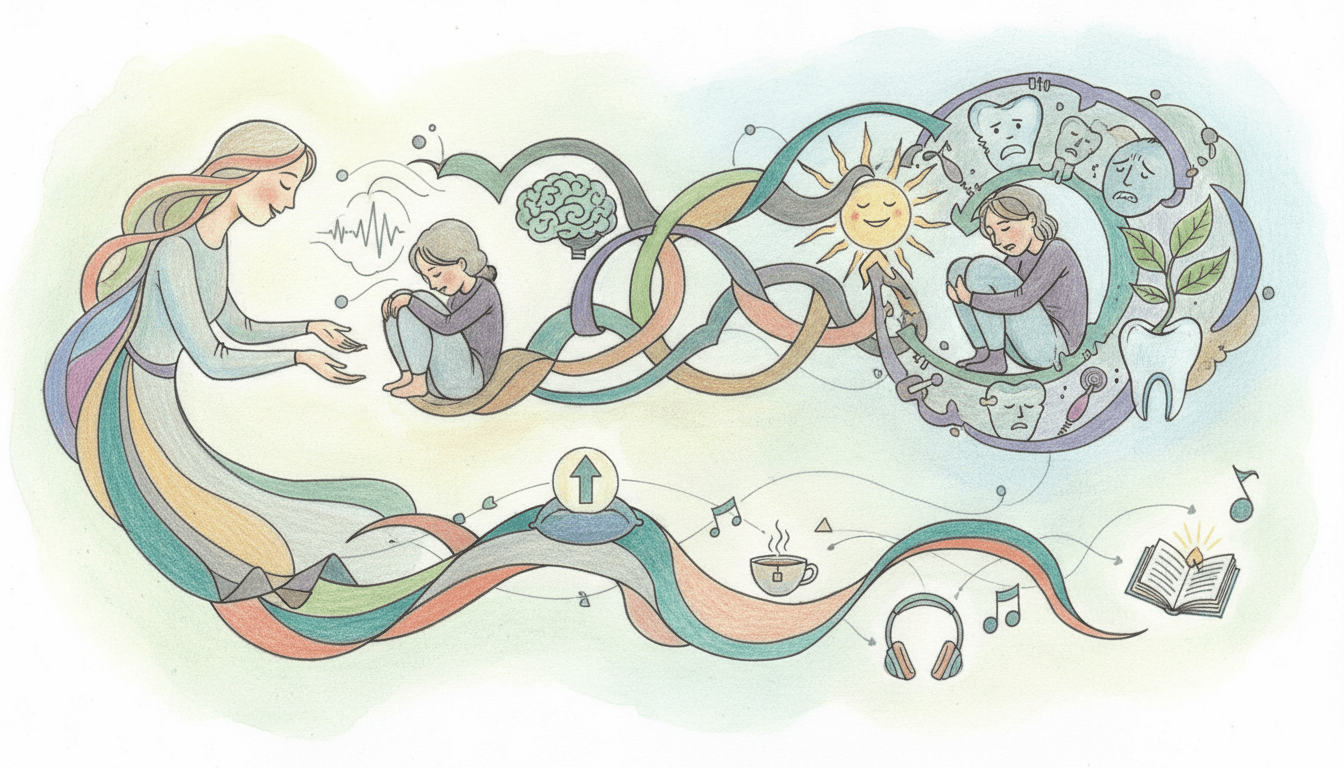
This comprehensive guide explores the multifaceted nature of dental anxiety, a significant barrier to oral healthcare. It delves into patient-centered care models, advanced communication strategies between patients and dental professionals, and evidence-based psychological and clinical techniques for fear management. The article provides a detailed framework for understanding the root causes of anxiety, its profound impact on preventive care and long-term oral health outcomes, and holistic solutions that integrate relaxation methods, graduated exposure, and trust-building practices. It emphasizes the critical link between consistent oral care routines and reduced anxiety, offering a path toward sustainable dental wellness.
Dental anxiety represents one of the most pervasive and debilitating barriers to achieving and maintaining optimal oral health, affecting a significant portion of the global population. Far from a simple dislike of the dentist's chair, it is a complex psychological condition that can range from mild apprehension to severe dental phobia (odontophobia), leading individuals to avoid essential care for years or even decades. This avoidance creates a vicious cycle: neglected oral health leads to more complex, invasive, and potentially painful treatments, which in turn reinforces the initial fear. The consequences extend beyond cavities and gum disease, impacting systemic health, self-esteem, and quality of life. This article, grounded in research from the International Dental Psychology Research Center, advocates for a paradigm shift from a purely procedural model of dentistry to a holistic, biopsychosocial approach. We will exhaustively explore the intricate web of factors contributing to dental anxiety, from traumatic past experiences and fear of loss of control to the sounds and smells of the operatory. More importantly, we will provide a detailed roadmap for management, encompassing innovative communication frameworks, evidence-based psychological interventions, clinical adaptations, and the foundational role of consistent daily oral hygiene. This is not merely about 'getting through' an appointment; it's about fundamentally reshaping the dental experience into one of collaboration, empowerment, and trust, thereby safeguarding long-term health.
Understanding and Recognizing the Spectrum of Dental Anxiety
Dental anxiety is not a monolithic experience but exists on a broad spectrum, and its recognition is the critical first step in effective management. On one end, there is mild situational anxiety, a common nervousness triggered by specific stimuli like the sound of a drill or the sight of an injection. This is often manageable with simple reassurance. Progressing along the spectrum, we encounter moderate anxiety, characterized by significant distress, sleep disturbance before appointments, and a strong desire to postpone or cancel. At the most severe end lies dental phobia, a diagnosable specific phobia that provokes intense, irrational fear and panic attacks, leading to complete avoidance of dental care regardless of pain or obvious infection. The etiological roots are multifaceted. Negative past experiences, especially in childhood, are a primary contributor, creating deep-seated associative memories. Fear of pain, often rooted in historical dental practices or stories from others, remains potent even with modern anesthetics. Feelings of vulnerability and loss of control while reclined in the dental chair are significant psychological triggers. Sensory factors—the high-pitched whine of instrumentation, distinct clinical odors, or the taste of dental materials—can be profoundly unsettling. Additionally, embarrassment about the condition of one's teeth, often a direct result of avoidance, creates a shame barrier that prevents seeking help. Recognizing these nuanced manifestations and their origins requires dental professionals to move beyond clinical observation to active, empathetic inquiry. Standardized screening tools, such as the Modified Dental Anxiety Scale (MDAS) or Dental Fear Survey (DFS), can be invaluable in clinical settings to objectively assess a patient's level of fear, allowing for tailored intervention from the outset. Industry expert commentary, such as from Dr. Alistair Finch of the Behavioral Dentistry Institute, notes: 'We must treat the anxiety with the same diagnostic rigor as we treat caries. Assessing its intensity, triggers, and history is not peripheral to care; it is foundational to it. A patient's heart rate and cortisol levels are as relevant to treatment planning as their periodontal probing depths.'
The Profound Impact of Anxiety on Preventive Care and Long-Term Oral Health
The technical data highlights anxiety's primary impact areas: preventive care and regular check-ups. This disruption creates a cascade of negative health outcomes that extend far beyond the oral cavity. When anxiety leads to avoidance, the cornerstone of oral health—bi-annual professional cleanings and examinations—is removed. Plaque and calculus accumulate unabated, mineralizing into tartar that harbors pathogenic bacteria. This leads to a predictable and accelerated progression of gingivitis to periodontitis, a chronic inflammatory disease that destroys the bone supporting the teeth. Concurrently, undetected early-stage caries (cavities) progress through the enamel and dentin, often reaching the dental pulp and necessitating root canal therapy or extraction. The long-term outlook for an anxious avoidant patient is stark: higher rates of edentulism (tooth loss), chronic oral infections, and associated nutritional compromises. Furthermore, the systemic health implications are severe and well-documented. Periodontal disease is linked to an increased risk of cardiovascular disease, poorly controlled diabetes, adverse pregnancy outcomes, and respiratory infections. The chronic inflammation in the gums fuels systemic inflammation. From a technical comparison perspective, the cost-benefit analysis is clear. The financial and biological cost of a lifetime of preventive care (cleanings, fluoride treatments, sealants) is a fraction of the cost associated with complex rehabilitative dentistry—implants, bridges, full-mouth reconstructions—that becomes necessary after years of neglect. Moreover, the psychological cost compounds; the very fear that caused avoidance is validated by the need for more invasive, lengthy, and expensive treatments. This creates a profound oral health disparity, where those with dental anxiety suffer disproportionately worse outcomes. A holistic management approach, therefore, is not a luxury but a critical public health intervention aimed at breaking this cycle, preserving natural dentition, and protecting overall wellness.
Foundational Communication Strategies for Building Trust with Dental Professionals
Open dialogue, as noted in the technical data, is the bedrock of managing dental anxiety. However, this must be structured and proactive, moving beyond passive listening to active, trust-building communication. The concept of 'Tell-Show-Do' is paramount, especially for anxious patients. This involves verbally explaining a procedure in simple, non-threatening language ('Tell'), demonstrating the instrument or action on a model or the patient's fingernail ('Show'), and only then proceeding with the clinical step ('Do'). This process demystifies the unknown and returns a sense of predictability and control to the patient. Establishing a 'stop signal' is another powerful tool—a simple, pre-agreed hand gesture (like raising a hand) that immediately signals the dentist to pause, giving the patient an unconditional sense of control over the procedure's pace. Consent must be an ongoing conversation, not a formality. Before each new step, a brief check-in ('I'm going to start polishing now, is that okay?') reinforces collaboration. Dental professionals must be trained to recognize non-verbal cues of distress: white knuckles, feet curling, tears, or sudden stillness. Responding to these cues before a patient feels compelled to use the stop signal builds immense trust. Furthermore, communication begins long before the appointment. Front desk staff should be trained to handle anxious callers with empathy, offering to schedule a consultation-only first visit with no treatment. Post-operative follow-up calls to check on well-being can reframe the experience as one of continuous care. Industry expert commentary from communication specialist Dr. Lena Torres emphasizes: 'The language of dentistry is often freighted with threat—'drill,' 'shot,' 'extraction.' We need a linguistic shift towards 'clean,' 'comfort,' 'restore,' and 'team.' The narrative must co-created with the patient, focusing on preservation and wellness, not just disease eradication.' This patient-centered communication model transforms the dynamic from a hierarchical 'doctor treating a patient' to a collaborative partnership focused on a shared goal: health.
Psychological and Behavioral Techniques for Overcoming Fear
Overcoming deep-seated fear requires a toolkit of psychological strategies that patients can learn and practice. Cognitive-Behavioral Therapy (CBT) techniques are gold-standard interventions. This involves identifying and challenging catastrophic thoughts ('The injection will be unbearable,' 'The dentist will judge my teeth') and replacing them with more balanced, evidence-based cognitions ('The numbing gel makes it a brief pinch,' 'The dentist sees this every day and wants to help'). Systematic desensitization, a form of graduated exposure, is highly effective. This involves creating a 'fear hierarchy' with a therapist or supportive dentist, starting with low-anxiety steps (e.g., driving to the office) and progressively working up to higher-anxiety tasks (sitting in the chair, having an examination) without proceeding until the patient is comfortable at each stage. Mindfulness and relaxation techniques are powerful in-the-moment tools. Guided breathing exercises (e.g., 4-7-8 breathing: inhale for 4, hold for 7, exhale for 8) can directly counteract the physiological panic response. Progressive muscle relaxation (tensing and releasing muscle groups) reduces overall tension. Distraction is a simple yet potent method; patients can use noise-canceling headphones with music, audiobooks, or guided imagery. Some practices offer virtual reality goggles with calming scenes. The role of consistent oral care at home cannot be overstated as a behavioral technique. When a patient maintains excellent daily hygiene, they arrive at appointments with greater confidence and less guilt, and the clinical procedures are often shorter and less invasive, positively reinforcing the dental visit experience. This self-efficacy—the belief in one's ability to care for one's oral health—is a powerful antidote to helplessness. Long-term, these techniques empower the patient, transferring control from the external (the dentist, the procedure) to the internal (their own coping skills).
Clinical and Pharmacological Coping Mechanisms: From Relaxation to Sedation
The technical data mentions relaxation techniques and sedation options, which represent the clinical arm of anxiety management. These range from non-pharmacological adjuncts to various levels of pharmacological sedation, creating a continuum of care. Non-pharmacological clinical support includes the use of topical anesthetics applied with ample time (2-3 minutes) to ensure effective numbing of injection sites, virtually eliminating the 'pinch.' The adoption of vibration devices (e.g., DentalVibe) that use gentle oscillation to block pain signals at the gate mechanism is a technological advancement. For sound-sensitive patients, noise-canceling headphones provided by the office are a simple accommodation. Moving into pharmacological options, Nitrous Oxide ('laughing gas') is a mild inhalation sedative that induces feelings of relaxation and dissociation while allowing the patient to remain conscious, responsive, and able to recover quickly. This is ideal for moderate anxiety. Oral conscious sedation involves taking an anxiolytic medication (like benzodiazepines) about an hour before the appointment, inducing a deeply relaxed, drowsy state. The patient is conscious but may have little memory of the procedure (anterograde amnesia). This requires accompaniment to and from the appointment. For extreme phobia or complex surgical procedures, intravenous (IV) sedation or general anesthesia administered by a dental anesthesiologist may be indicated. This provides a controlled state of deep sedation or unconsciousness. The long-term outlook in dentistry is towards increasingly personalized sedation plans, leveraging genetic testing to predict metabolic responses to sedative drugs for optimal safety and efficacy. The goal of all these mechanisms is not to bypass the patient's awareness entirely but to modulate their experience to a level where they can receive necessary care without trauma, thereby making future visits progressively easier—a concept known as 'behavioral shaping.'
Implementing Patient-Centered and Personalized Support Approaches
Personalized care and gradual exposure form the core of a modern, patient-centered dental practice philosophy. This approach rejects the one-size-fits-all model and tailors every aspect of the experience to the individual's psychological and clinical needs. It begins with the initial contact: offering a 'meet-and-greet' consultation with no treatment planned, allowing the patient to tour the office, meet the team, and ask questions in a zero-pressure environment. Appointment scheduling is adapted; anxious patients may benefit from first-thing-in-the-morning slots to avoid all-day worrying, or shorter, more frequent visits to build tolerance (graded exposure). The physical environment is designed for calm, with soothing color palettes, natural light, aromatherapy, and quiet waiting areas. The clinical team moves deliberately and explains each step. Pain management is prioritized aggressively, using the most effective local anesthetics and confirming numbness before starting. A key personalized strategy is collaborative treatment planning. The dentist presents all options, from most to least conservative, and involves the patient in decision-making, setting a pace that feels manageable. For some, this may mean addressing only the most urgent issue in the first visit and scheduling stabilization before moving to comprehensive care. Support extends beyond the chair; practices may offer resources like links to meditation apps, recommendations for therapists specializing in dental phobia, or support groups. The long-term outlook for this model is its integration with digital health platforms, where patients can track their anxiety levels, access pre-appointment relaxation modules, and communicate with their care team asynchronously. This wraparound, empathetic approach fundamentally redefines the dental practice not as a repair shop for teeth, but as a healthcare home for the whole person, where psychological safety is given equal weight to clinical excellence.
The Critical Role of Consistent, Empowered Oral Care in Anxiety Reduction
The importance of consistent oral care, a key point from the data, is the proactive foundation upon which all other anxiety management strategies are built. A robust, effective daily hygiene routine is the patient's primary locus of control in their oral health journey. When performed correctly, it dramatically reduces the bacterial load and inflammatory burden in the mouth. This has a direct and powerful impact on the dental visit experience: less plaque and calculus mean professional cleanings are faster, less uncomfortable, and require less invasive instrumentation (like ultrasonic scalers or hand scaling). Gums are less inflamed and therefore less likely to bleed, reducing a common source of patient distress. From a psychological perspective, maintaining a clean and healthy mouth instills a sense of pride and self-efficacy. The patient arrives for their check-up not as a 'failed' individual needing rescue, but as an active partner in maintenance, collaborating with the hygienist for fine-tuning. This shifts the power dynamic and reduces shame. Empowering care involves education on the proper use of tools: demonstrating the Bass technique for brushing at a 45-degree angle to the gumline, the importance of interdental cleaning with floss or interdental brushes, and the adjunctive use of therapeutic mouthwashes (e.g., with fluoride or essential oils). Recommending top-rated, effective products—such as electric toothbrushes with pressure sensors, water flossers for those who struggle with string floss, and tongue cleaners—can make the routine more effective and engaging. The long-term outlook connects this daily discipline directly to anxiety reduction. As clinical visits become more predictable and positive due to better at-home care, the fear conditioning is gradually extinguished and replaced with neutral or even positive associations. The patient learns that their actions have a direct, beneficial impact on their clinical experience, breaking the cycle of avoidance and reinforcing the value of professional care as a supportive, rather than punitive, necessity.
Key Takeaways
FAQs
What's the difference between dental anxiety and dental phobia?
Dental anxiety is a common feeling of unease or worry associated with dental visits, which may cause stress but doesn't always lead to avoidance. Dental phobia (odontophobia) is a more severe, diagnosable anxiety disorder characterized by intense, irrational fear that leads to complete avoidance of dental care, even when in pain. Phobia often triggers panic attacks at the mere thought of a dentist.
How can I find a dentist who is good with anxious patients?
Look for practices that explicitly advertise 'sedation dentistry,' 'anxiety-free,' or 'gentle dentistry.' Call and ask specific questions: 'Do you offer consultation visits with no treatment?' 'What techniques do you use for nervous patients?' 'Are your staff trained in anxiety management?' Online reviews often mention experiences of other anxious patients. Dental societies may also have referral lists.
Are sedation options safe?
When administered by a trained and licensed dental professional following proper protocols, dental sedation is very safe. Your dentist will review your full medical history and vital signs are monitored throughout. The level of sedation is carefully calibrated. Nitrous oxide wears off almost immediately. Oral and IV sedation require pre- and post-op instructions, like having a companion drive you home.
I'm embarrassed about the state of my teeth from years of avoiding the dentist. What should I do?
Please understand that dental professionals see this every day and their primary emotion is not judgment, but a desire to help you get healthy. The first step is the hardest. Be honest when you call: 'I haven't been to a dentist in many years and I'm very anxious and embarrassed.' A compassionate practice will prioritize making you feel welcome and will focus on stabilizing your health, not on past neglect.
Can therapy really help with dental fear?
Absolutely. Psychologists, particularly those specializing in cognitive-behavioral therapy (CBT) or specific phobias, are highly effective in treating dental anxiety. They can help you uncover the root of your fear, develop coping strategies, and systematically desensitize you to dental stimuli. Some therapists even work in conjunction with dental offices.
What is the single most helpful thing I can do during an appointment to manage my anxiety?
Establish and use a clear stop signal with your dentist. Knowing you have absolute, immediate control to pause the procedure is incredibly empowering and reduces the feeling of being trapped. This simple agreement builds trust and can significantly lower your overall anxiety level.
How does good home care reduce dental anxiety?
Effective brushing and flossing minimizes plaque buildup. This means your professional cleanings will be shorter, less uncomfortable (with less scraping), and your gums will be healthier and less likely to bleed. This creates a positive feedback loop: a better experience at the dentist reduces fear, making you more likely to return, which maintains your good home care results.
What if I have a panic attack in the chair?
A well-trained dental team is prepared for this. They will stop all treatment immediately. They will help you sit up if possible, encourage slow, deep breathing, and provide a quiet space. They may offer water and reassurance. The key is to have a plan discussed beforehand. Knowing your team can handle it calmly can, in itself, reduce the fear of having an attack.
Is it okay to bring a support person with me?
In most cases, yes. A trusted friend or family member can sit in the room with you for comfort and advocacy. Discuss this when scheduling. For longer procedures under sedation, a companion is usually required for your safe transportation home. Their presence can provide a significant sense of security.
Will every dental visit always be this hard?
No. With a holistic management plan, it typically gets easier. Using techniques like gradual exposure, positive reinforcement from easier visits, and building trust with your dental team, the conditioned fear response weakens over time. Many formerly phobic patients progress to attending routine check-ups with only mild, manageable nervousness.
Guide Conclusion
Dental anxiety is a formidable but surmountable barrier. A holistic approach, as detailed in this guide, moves beyond mere tolerance of procedures to a fundamental reshaping of the patient-provider relationship and the patient's own self-perception. It integrates psychological insight, empathetic communication, clinical adaptations, and the empowering routine of daily care. By recognizing anxiety as a legitimate part of oral health treatment and addressing it with comprehensive, patient-centered strategies, we can break the cycle of avoidance and suffering. The path forward is one of collaboration, where dental professionals are allies in wellness and patients are empowered participants. The ultimate goal is clear: to ensure that fear never again stands between an individual and the lifelong health, confidence, and systemic well-being that comes from a healthy smile. Your journey to anxiety-free dental care begins with a single, supported step.