Global Dental Hygiene Devices Market Analysis: Trends, Technologies, and Future Outlook 2024-2033
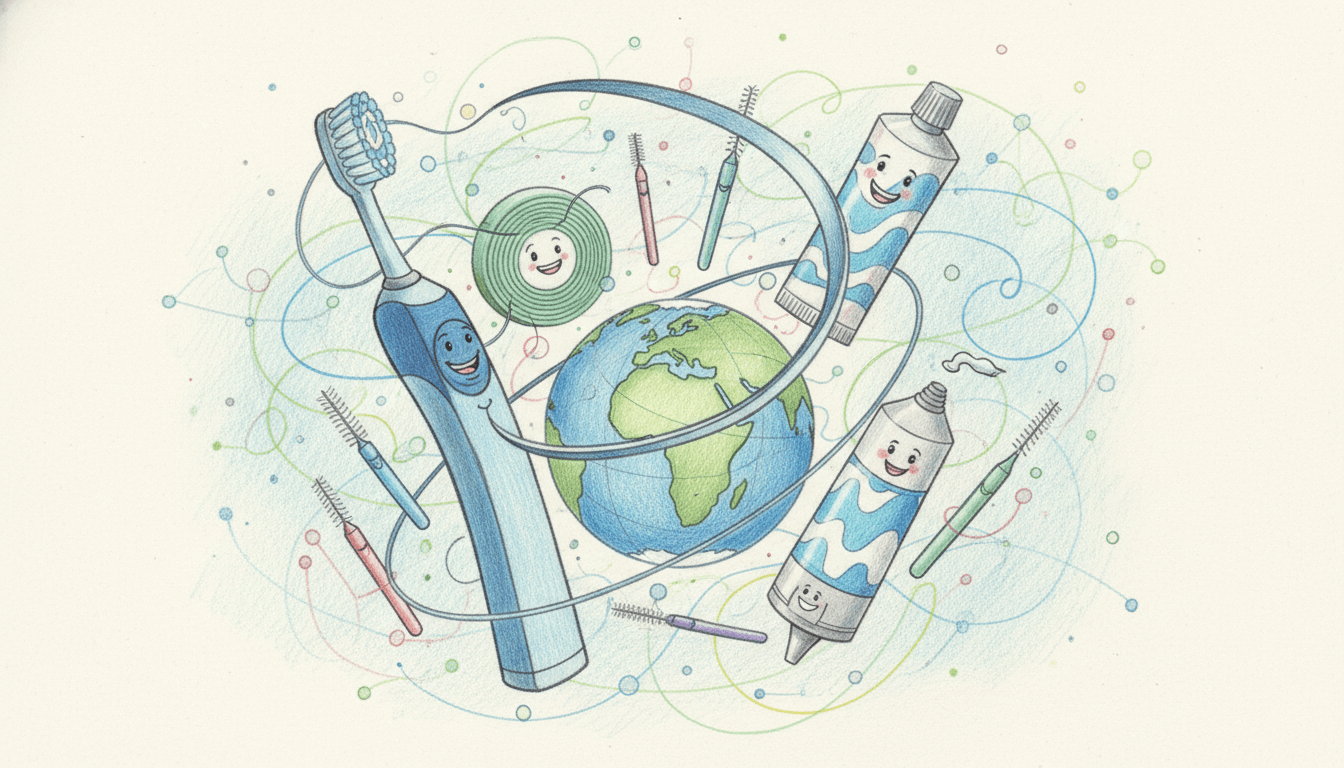
This comprehensive analysis provides an in-depth examination of the global dental hygiene devices market, valued at $4.77 billion in 2024 and projected to reach $7.66 billion by 2033, growing at a 5.4% CAGR. The report explores the technological revolution driven by smart, connected devices and advanced plaque removal systems, detailing key product categories, performance metrics, and operational standards. It includes expert commentary, detailed market segmentation, case studies on adoption efficacy, and a thorough maintenance guide for consumers and professionals, offering a complete resource for understanding the forces shaping modern oral care.
The global dental hygiene devices market represents a dynamic and rapidly evolving sector at the intersection of personal healthcare, consumer electronics, and preventive medicine. As of 2024, this critical industry is valued at a substantial $4.77 billion, a figure that underscores its essential role in daily health routines worldwide. The market is on a robust growth trajectory, projected to expand to $7.66 billion by the year 2033, reflecting a steady Compound Annual Growth Rate (CAGR) of 5.4%. This growth is not merely quantitative; it is fundamentally qualitative, driven by a paradigm shift from basic manual tools to sophisticated, technology-integrated systems designed for superior oral health outcomes. The core of this transformation lies in the relentless pursuit of enhanced plaque removal efficacy, a primary factor in preventing gingivitis, periodontitis, and systemic health issues linked to oral inflammation. Modern devices, particularly advanced electric toothbrushes, utilize oscillating-rotating, sonic, and ultrasonic technologies that have been clinically proven to disrupt and remove biofilm more effectively than manual brushing. Concurrently, the market is witnessing the rapid integration of the Internet of Things (IoT) and artificial intelligence (AI), giving rise to 'smart' oral care ecosystems. These devices offer real-time feedback on brushing technique, coverage, and duration via connected smartphone applications, effectively transforming a routine task into a guided, personalized health ritual. Other key segments fueling this market include water flossers (oral irrigators), interdental brushes, tongue cleaners, and professional-grade plaque disclosing tools. The demand surge is propelled by increasing global health consciousness, rising prevalence of dental disorders, growing geriatric populations with specific oral care needs, and heightened aesthetic concerns driving demand for whitening and alignment devices. Furthermore, dental professionals are increasingly recommending these advanced devices as part of comprehensive treatment plans, bridging the gap between clinical care and home maintenance. This overview sets the stage for a detailed exploration of the specifications, history, operational protocols, and economic forces that define the present and future of dental hygiene technology, making it an indispensable resource for consumers, investors, and healthcare providers navigating this innovative landscape.
Routine Specs
Care Protocols
Electric Toothbrush Protocol: Begin by applying a pea-sized amount of fluoride toothpaste to the brush head. Moisten the head slightly with water. Position the brush head at a 45-degree angle to the gumline, ensuring the bristles contact both the tooth surface and the gingival margin. Turn the device on *after* positioning it in the mouth to prevent splatter. Systematically clean all tooth surfaces using a slow, deliberate motion, allowing the brush's technology to do the work—there is no need for vigorous scrubbing. Follow a consistent sequence (e.g., outer surfaces, inner surfaces, chewing surfaces) to ensure full coverage over the recommended two-minute cycle, utilizing the device's built-in quadrant timer if available. Pay special attention to hard-to-reach posterior teeth and the inner surfaces of lower front teeth. Apply gentle pressure; excessive force can trigger a pressure alert on smart models and may damage enamel and gums. After brushing, rinse the brush head thoroughly under running water, detach it periodically for a more detailed clean, and store it upright in a ventilated area to dry. The handle should be wiped clean and placed on its charger only if indicated, as constant charging can reduce long-term battery life.
Water Flosser (Oral Irrigator) Protocol: Fill the reservoir with lukewarm water. For enhanced therapeutic effect, a dentist may recommend adding a specific antimicrobial mouthwash in a prescribed dilution (e.g., 1:1 with water). Select the appropriate tip (standard jet tip for general use, orthodontic tip for braces, plaque seeker tip for implants or crowns) and insert it firmly into the handle. Set the pressure control to the lowest setting initially. Lean over the sink, place the tip in your mouth, and close your lips sufficiently to prevent splatter while allowing water to flow out freely. Turn the unit on. Starting with the back teeth, direct the water stream at a 90-degree angle to the gumline, tracing along both the outer and inner surfaces of the upper and lower teeth. Pause briefly between teeth, aiming the stream just below the gumline. Systematically work around the entire mouth, which should take about one minute. After use, empty any remaining water from the reservoir to prevent microbial growth. Rinse the tip and store it. For cordless models, recharge the battery as per manufacturer instructions. The unit should be descaled monthly if you have hard water, using a white vinegar solution or a manufacturer-recommended cleaning tablet.
Interdental Brush Protocol: Select a brush size that fits snugly but comfortably between your teeth without forcing it; you may need multiple sizes for different gaps. Do not use toothpaste or water on the brush. Gently insert the brush horizontally into the interdental space from the cheek side (or tongue side for front teeth). If the space is tight, a slight back-and-forth twisting motion may help initial insertion. Once through the contact point, move the brush back and forth 2-3 times in a straight line. For spaces between molars, you may need to bend the wire slightly to access the area. After cleaning each space, rinse the brush under tap water to remove debris. Proceed methodically through all accessible spaces in both the upper and lower jaws. Do not snap the brush through the space or use excessive vertical force, as this can damage the wire or the gingival papilla. After use, rinse the brush thoroughly, allow it to dry, and replace the protective cap. Discard the brush when the filaments become bent, frayed, or the wire loses its coating, typically after one week of daily use.
Advantages
- Superior Plaque Removal and Gum Health: The foremost advantage is clinically validated superior efficacy. Electric toothbrushes, particularly oscillating-rotating models, consistently demonstrate significantly greater plaque removal and reduction in gingivitis compared to manual brushing in controlled studies. This directly translates to a lower risk of cavities, gum disease, and associated systemic health complications.
- Enhanced User Compliance and Education: Smart devices with real-time feedback and gamified apps dramatically improve user compliance. Timers ensure adequate brushing duration, pressure sensors prevent damage, and coverage maps educate users on missed areas, fostering better technique. This guided experience is especially beneficial for children, individuals with dexterity challenges, and those simply seeking to optimize their routine.
- Accessibility for Diverse Needs: These devices democratize effective oral care. Water flossers are a boon for individuals with braces, bridges, implants, or arthritis who find string floss difficult or impossible to use. Electric brushes assist those with limited motor skills. The adaptability of these tools makes comprehensive hygiene achievable for a much wider population.
- Long-Term Cost-Effectiveness for Health Systems: While the initial investment is higher, the preventive capability of these devices can lead to substantial long-term savings by reducing the need for expensive restorative dental work (fillings, crowns) and periodontal surgery. For insurers and public health systems, promoting their use is a cost-containment strategy.
- Data-Driven Health Insights: The integration with health apps creates a valuable data stream. This allows for personalized recommendations, tracking of habit trends, and the potential for early anomaly detection. It also enables dentists to review a patient's home care data before an appointment, facilitating more informed, productive consultations.
Limitations
- High Initial and Recurring Costs: The primary barrier to adoption is cost. A high-end smart electric toothbrush can cost over $200, with replacement brush heads priced at $30-$50 for a multi-pack every 3-4 months. Water flossers and other devices add to the expense, making a complete advanced oral care system a significant financial commitment compared to basic manual tools.
- Complexity and Maintenance Requirements: These are not 'set-and-forget' products. They require regular charging, cleaning of brush heads and water reservoirs to prevent mold and bacterial biofilm formation, periodic replacement of consumables (brush heads, flosser tips, filters), and software updates for smart features. This maintenance burden can be a deterrent for some users.
- Potential for Over-Reliance and Technique Complacency: There is a risk that users may assume the technology alone guarantees perfect oral health, leading to neglect of other aspects like diet, fluoride use, or professional cleanings. Furthermore, improper use—such as using a worn-out brush head or incorrect water flosser pressure—can diminish benefits or even cause harm, such as gingival abrasion or embedding debris deeper into pockets.
- Electronic Waste and Environmental Impact: The market's rapid innovation cycle and built-in obsolescence contribute to electronic waste. The combination of plastic bodies, lithium-ion batteries, and proprietary non-recyclable brush heads poses a significant environmental challenge. While some brands offer recycling programs, industry-wide sustainable design and circular economy models are still in nascent stages.
- Data Privacy and Security Concerns: Smart devices collect sensitive health behavior data. This raises valid concerns about how this data is stored, who owns it, how it is used (e.g., for insurance underwriting or targeted advertising), and its vulnerability to breaches. Users must trust the manufacturer's privacy policies, which are often lengthy and complex.