Fluoride Toothpaste Essentials: A Comprehensive Scientific and Consumer Guide
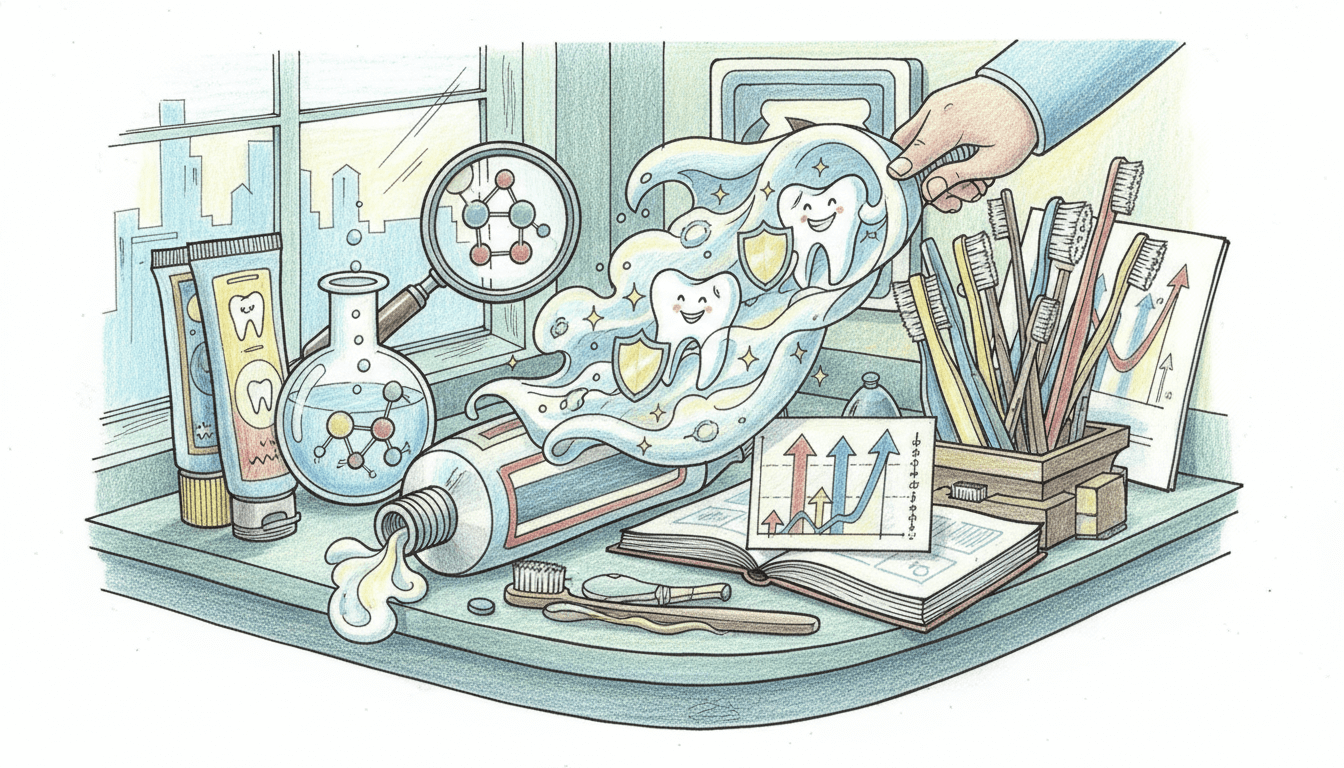
This exhaustive guide provides a deep-dive analysis of fluoride toothpaste, the cornerstone of modern preventive dentistry. It explores the critical, non-negotiable role of fluoride in remineralizing enamel and preventing dental caries, supported by decades of clinical research. The article meticulously examines product formulations, safety standards like the ADA Seal, and demystifies common marketing claims, particularly around whitening efficacy. It offers a detailed technical breakdown, historical context, practical usage protocols, and a forward-looking market analysis to empower consumers and professionals in making informed decisions for lifelong oral health.
Fluoride toothpaste is not merely a cosmetic or cleansing product; it is a fundamental, evidence-based therapeutic agent in the global fight against dental caries, a disease that affects nearly 100% of adults worldwide. Its development and widespread adoption represent one of the most significant public health victories of the 20th century. This overview establishes the foundational understanding that fluoride's primary and essential function is to prevent tooth decay through a dynamic biological process called remineralization. When teeth are exposed to acids produced by plaque bacteria, essential minerals like calcium and phosphate are leached from the enamel in a process called demineralization. Fluoride, present in saliva and plaque fluid from toothpaste use, actively promotes the reverse process. It incorporates itself into the crystalline structure of the enamel, forming a more acid-resistant compound called fluorapatite, and enhances the redeposition of calcium and phosphate minerals. This ongoing cycle strengthens tooth structure and can reverse early, non-cavitated lesions, effectively stopping decay in its tracks. The assertion that most mainstream toothpastes meet safety standards is rooted in rigorous regulatory frameworks. In the United States, the Food and Drug Administration (FDA) classifies fluoride toothpaste as an over-the-counter drug due to its therapeutic claim of caries prevention, mandating strict controls on active ingredient concentration, typically between 1000-1500 ppm fluoride for adults. This regulatory oversight, combined with voluntary certification programs like the American Dental Association (ADA) Seal of Acceptance, creates a robust safety net. The ADA Seal is not granted lightly; it requires manufacturers to submit extensive data from clinical trials, laboratory studies, and ingredient reviews to prove both safety and efficacy. Therefore, the presence of fluoride in a standardized concentration is the single most critical factor in toothpaste selection, overshadowing all other claims related to flavor, whitening, or herbal additives. The modern consumer is bombarded with marketing hyperbole, particularly regarding whitening effects. It is crucial to understand that the 'whitening' label on most mass-market toothpastes primarily refers to surface stain removal through mild abrasives and chemical agents like pyrophosphates, not a bleaching or altering of the intrinsic tooth color. Their effect is, as noted, minimal compared to professional bleaching treatments. Simultaneously, advancements in abrasive technology have led to modern formulations being significantly less abrasive than past products, utilizing ingredients like hydrated silica engineered to polish without causing excessive wear to dentin or enamel. This balance of effective cleaning, therapeutic fluoride delivery, and safe abrasivity defines the contemporary fluoride toothpaste, making it an indispensable tool in daily oral care.
Routine Specs
Care Protocols
Optimal Brushing Technique with Fluoride Toothpaste
The efficacy of fluoride toothpaste is wholly dependent on correct application. A standardized operating procedure ensures maximum therapeutic benefit. First, dispense a pea-sized amount for adults and a rice-grain-sized smear for children under three. Using more paste does not increase benefits and increases ingestion risk and waste. Pre-wetting the brush is optional; some experts suggest a dry brush may increase abrasion slightly, but the difference is minimal for low-RDA pastes. The brushing technique itself is critical. Place the brush at a 45-degree angle to the gums, using gentle, short, back-and-forth or small circular strokes. Apply only light pressure; excessive force can damage gums and enamel regardless of toothpaste abrasivity. Systematically clean all surfaces: outer, inner, and chewing surfaces of teeth, spending at least 30 seconds per quadrant for a total of two minutes. Pay special attention to the gumline and hard-to-reach back teeth. After brushing, the most important and often neglected step is the 'spit, don't rinse' protocol. Expectorate the foam and excess paste thoroughly but do not swish with a large volume of water. This leaves a concentrated film of fluoride on the teeth, allowing it to continue working by integrating into the salivary pellicle and promoting remineralization for hours. If rinsing is desired, use a very small sip of water or, ideally, a fluoride mouthwash, which extends the contact time. Brushing should be performed at least twice daily, with one of those sessions ideally being before bedtime, as salivary flow decreases at night, reducing the mouth's natural protective capacity. This procedure should be followed consistently, making it a non-negotiable part of daily hygiene.
Selection and Verification Protocol for Consumers
Navigating the toothpaste aisle requires a disciplined SOP to cut through marketing and select a truly effective product. Step 1: Identify the Active Ingredient. Immediately turn the tube and examine the 'Drug Facts' panel. Confirm the presence of fluoride (sodium fluoride, stannous fluoride, or sodium monofluorophosphate) and its concentration (1000-1500 ppm for adults). If fluoride is not listed as an active ingredient, the product is a cosmetic cleanser, not a therapeutic caries-preventive agent. Step 2: Look for the Seal of Approval. Scan the packaging for the American Dental Association (ADA) Seal of Acceptance. This is your independent verification that the product has undergone rigorous scientific review for safety and efficacy regarding its specific claims (cavity prevention, sensitivity relief, etc.). The absence of the seal does not automatically mean the product is ineffective, but it means the claims are not validated by the ADA's standards. Step 3: Align with Specific Needs. Based on secondary concerns, narrow your choice. For sensitivity, look for potassium nitrate or stannous fluoride in the active ingredients. For gingivitis, look for stannous fluoride or triclosan (though less common now). For tartar control, look for pyrophosphates. Understand that 'whitening' is primarily for surface stain removal. Step 4: Assess Tolerability. If you have a history of canker sores or sensitivity to foaming agents, choose an SLS-free formula. If you dislike strong flavors, opt for a mild one, as flavor is a key driver of compliance, especially in children. Step 5: Verify for Children. For children under six, select a product specifically formulated for children with appropriate fluoride levels (500-550 ppm) and ensure they use the correct, tiny amount under supervision to minimize ingestion. This systematic selection protocol ensures that the foundational requirement—effective fluoride delivery—is met before any ancillary benefits are considered.
Advantages
- Unmatched Caries Prevention: The single greatest advantage of fluoride toothpaste is its proven, decades-long track record of preventing dental caries. It facilitates remineralization, strengthens enamel against acid attacks, and can reverse early decay. This benefit is foundational to modern oral health and has contributed to a global decline in tooth loss.
- High Safety Profile and Regulation: When used as directed, fluoride toothpaste is exceptionally safe. It is subject to drug-level regulation (FDA) and voluntary certification (ADA Seal), ensuring controlled fluoride doses and low abrasivity. The risk of fluorosis from toothpaste is confined almost exclusively to young children who ingest large amounts, which is preventable with proper supervision.
- Cost-Effective and Accessible: Fluoride toothpaste represents one of the most cost-effective medical interventions available. For a few cents per day, it provides powerful protection against a disease that is expensive and unpleasant to treat. It is universally accessible in supermarkets, pharmacies, and online.
- Multi-Functional Formulations: Modern fluoride toothpastes are platforms for additional benefits. A single product can combine cavity protection with tartar control, sensitivity relief, gingivitis reduction, and fresh breath, simplifying the oral care routine and addressing multiple concerns simultaneously.
- Promotes Daily Hygiene Routine: The pleasant flavors, textures, and foaming action of toothpaste are powerful behavioral drivers that encourage consistent twice-daily brushing, which in itself is crucial for mechanical plaque removal. The toothpaste ritual is a cornerstone of preventive health habit formation.
Limitations
- Risk of Dental Fluorosis in Young Children: The primary safety concern is the potential for mild dental fluorosis (white specks or lines on enamel) in children under eight whose teeth are still developing, if they consistently swallow too much toothpaste. This requires vigilant parental supervision and use of age-appropriate, lower-fluoride products, which can be a challenge to manage correctly.
- Misleading Marketing Claims: The marketplace is rife with hyperbolic claims, particularly around 'whitening,' 'herbal,' or 'natural' toothpastes that may lack adequate fluoride or the ADA Seal. Consumers can be misled into choosing a less effective product based on appealing but superficial marketing, potentially compromising their cavity protection.
- Potential for Allergic or Irritant Reactions: Some individuals may be sensitive to common ingredients like sodium lauryl sulfate (SLS), a foaming agent that can cause mucosal irritation or aphthous ulcers (canker sores). Flavorings (e.g., cinnamaldehyde) and preservatives can also rarely cause allergic contact cheilitis (lip inflammation).
- Environmental Impact of Packaging: The standard laminate tube is difficult to recycle, leading to significant plastic waste. While some brands are introducing recyclable aluminum or HDPE tubes, the vast majority of toothpaste packaging ends up in landfills, posing an environmental downside to an essential product.
- Not a Standalone Solution: A significant con is the potential for user complacency. Relying solely on fluoride toothpaste without proper brushing technique, flossing, and dietary control is insufficient for optimal oral health. It is a critical component of a system, not a magic bullet that compensates for other poor habits.