Professional Dental Care Insights: Optimizing Oral Health Through Regular Check-ups and Personalized Strategies
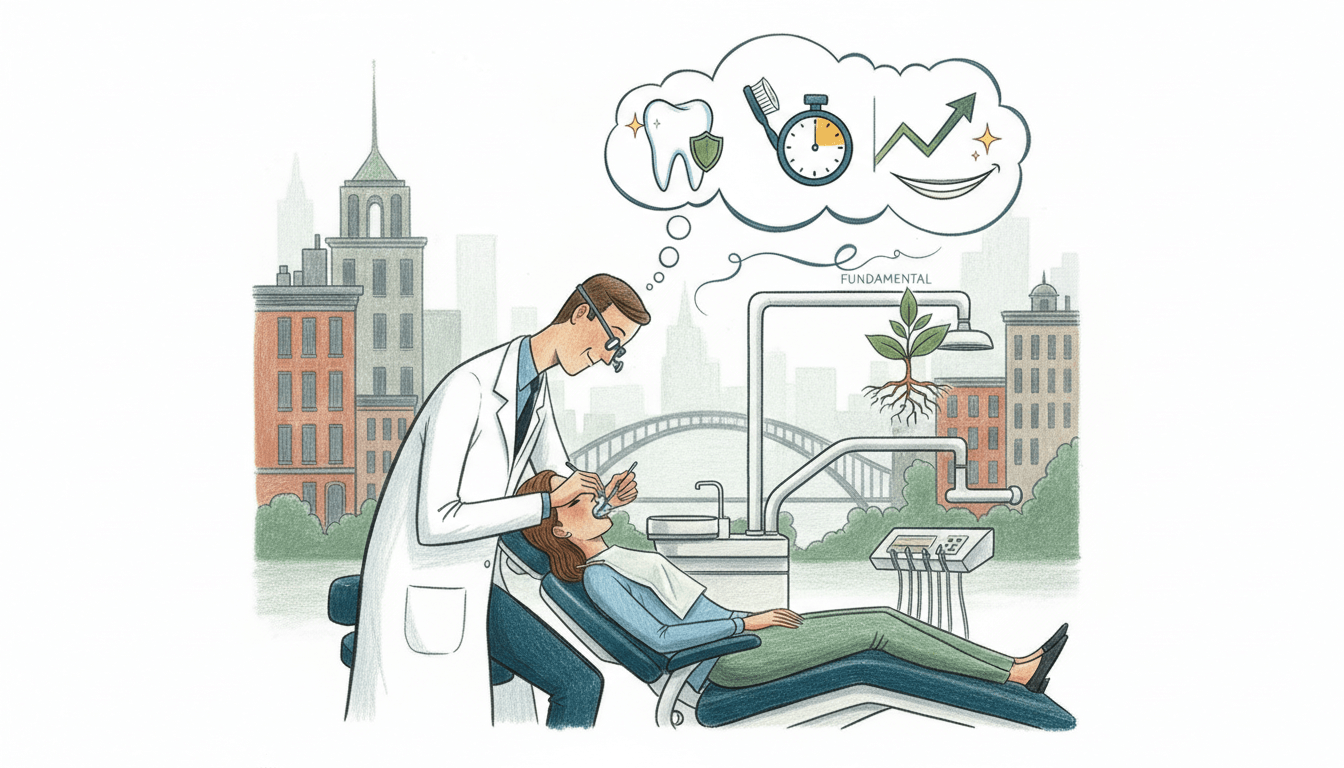
Regular professional dental care is fundamental to maintaining optimal oral health. Biannual check-ups enable thorough cleanings that remove hardened tartar deposits unreachable through daily hygiene. These visits facilitate early detection of cavities, gum disease, and oral cancer while allowing dentists to develop personalized preventive strategies based on individual risk factors, medical history, and current oral health status. Professional services include comprehensive examinations, scaling, polishing, and fluoride treatments that collectively reduce dental emergencies and long-term complications.
12 min read28.5k
4.8
DentalCareBest Editorial Team
2025-11-02
3057 helpful
Comprehensive Guide to Professional Dental Care: Why Regular Check-ups Are Non-Negotiable for Optimal Oral Health
Review
Professional dental care represents the cornerstone of sustainable oral health management, with biannual check-ups serving as the gold standard for most patients. These regular appointments provide critical interventions that home care cannot replicate, particularly regarding calculus (tartar) removal. Dental calculus forms when plaque mineralizes, typically within 24-72 hours of inadequate removal, creating hardened deposits that adhere firmly to tooth surfaces and beneath gumlines. Professional scaling instruments effectively disrupt these calcified structures, preventing their progression into periodontal pockets where they can trigger inflammation and bone loss. The comprehensive oral examination component represents another vital aspect, where dentists systematically assess teeth, gums, soft tissues, and occlusion using visual inspection, tactile exploration, and radiographic imaging when indicated. This multifaceted approach enables identification of incipient caries (tooth decay) at stages where minimally invasive treatments remain possible, often detecting lesions smaller than 0.5mm that escape visual detection by patients. Periodontal probing measurements document gum pocket depths, with readings exceeding 3mm signaling potential gingivitis or periodontitis requiring intervention. Oral cancer screenings examine all mucosal surfaces for abnormalities in color, texture, or contour that might indicate premalignant or malignant changes. For high-risk patients—including those with diabetes, smoking histories, immunocompromised conditions, or previous periodontal disease—more frequent quarterly visits may be recommended to closely monitor disease progression and implement aggressive preventive measures. Personalized care strategies integrate individual factors like medical history (particularly medications causing xerostomia), genetic predispositions, dietary habits, and oral hygiene practices to create targeted prevention plans. These may include prescription-strength fluoride applications, antimicrobial rinses, dietary modifications, or specialized cleaning techniques. The professional cleaning process typically involves ultrasonic scaling to disrupt larger calculus deposits, hand instrumentation for refined root surface debridement, polishing to remove extrinsic stains, and fluoride varnish application to remineralize incipient carious lesions. Modern practices often incorporate intraoral cameras and digital scanners to visually demonstrate findings and enhance patient understanding. Research consistently demonstrates that patients adhering to regular professional care schedules experience 50-60% fewer dental emergencies, require 40% less extensive restorative work over their lifetimes, and maintain 3-5 more natural teeth into advanced age compared to irregular attendees. The financial implications are equally significant, with preventive care costing approximately 10 times less than comprehensive rehabilitation following years of neglect. Dental Professional Organizations emphasize that these visits represent opportunities for continuous education, where hygienists and dentists provide tailored coaching on proper brushing techniques (including modified Bass or Charter's methods), flossing protocols, and adjunctive tool usage like water flossers or interdental brushes. Nutritional counseling addressing cartogenic food frequency and acid exposure timing further complements clinical interventions. The psychological benefits include reduced dental anxiety through positive, predictable experiences and enhanced self-confidence from maintained oral aesthetics. Ultimately, professional dental care transcends mere problem identification to embrace proactive health preservation through evidence-based protocols customized to each patient's unique circumstances and risk profile.
Would Recommend