Dental Plaque Management: Scientific Insights into Effective Removal Strategies and Product Comparisons
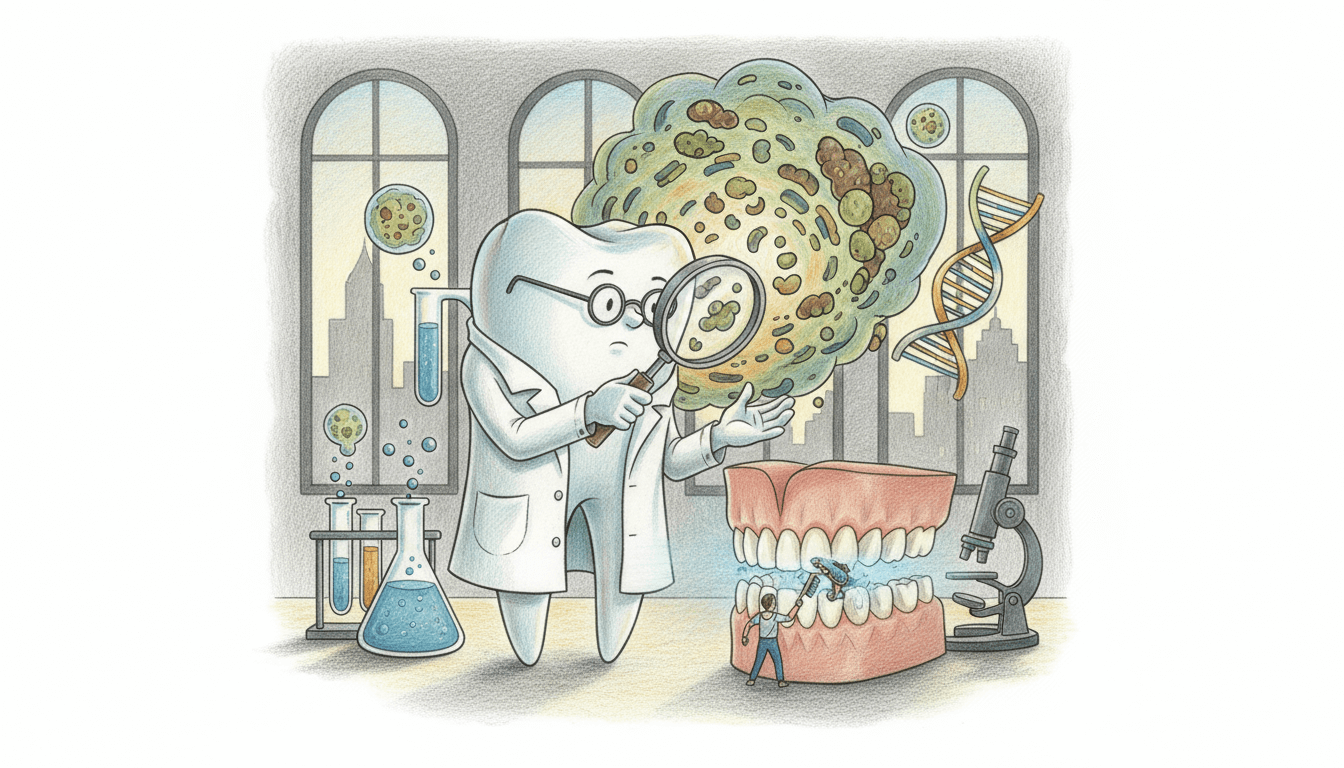
This comprehensive analysis delves into the science of dental plaque, its profound impact on oral health, and rigorously compares the most effective removal strategies and tools. Building on foundational research, we provide an exhaustive examination of mechanical plaque control methods, from manual and electric toothbrushes to interdental aids, evaluating their efficacy against the stubborn reality that the average person removes only about 50% of plaque. The article includes detailed product comparisons, expert commentary, and long-term outlooks to empower you with the knowledge for a superior, evidence-based oral hygiene routine.
Dental plaque, a complex and resilient biofilm, is not merely a cosmetic nuisance but the primary etiological agent behind the most prevalent oral diseases worldwide: gingivitis, periodontitis, and tooth decay. As underscored by Dental Epidemiology and Oral Health Research, the stark reality is that despite daily efforts, the average individual successfully removes only about 50% of accumulated plaque. This statistical failure point is the central challenge in preventive dentistry, creating a significant gap between routine hygiene and optimal oral health. This article serves as a definitive, scientific whitepaper that moves beyond superficial tips to provide a granular, evidence-based analysis of plaque management. We will dissect the microbiology of plaque formation in critical zones like proximal areas, gingival margins, and tooth surface defects. More crucially, this piece functions as an exhaustive comparative guide, evaluating the arsenal of mechanical plaque removal tools—from oscillating-rotating electric toothbrushes and sonic devices to manual brushes, water flossers, and interdental brushes—against the rigorous benchmark of clinical efficacy. Our goal is to transform the understanding of 'brushing and flossing' from a mundane task into a targeted, strategic operation informed by the latest scientific insights, ultimately bridging the 50% efficacy gap and providing a clear pathway to comprehensive plaque control and long-term dental health preservation.
Detailed Analysis
Oscillating-Rotating Electric Toothbrushes
Strengths
- Superior Plaque Removal: The oscillating-rotating-pulsating mechanism generates significant hydrodynamic forces that disrupt plaque biofilm effectively, especially at the gingival margin, a critical formation area. Clinical meta-analyses consistently rank this technology at the top for plaque and gingivitis reduction.
- Enhanced Compliance Features: Built-in two-minute timers and 30-second quadrant pacers train users to brush for the recommended duration and cover all areas of the mouth equally, directly addressing inconsistent routines.
- Pressure Protection: Integrated sensors that light up or slow down when brushing too hard prevent traumatic abrasion of enamel and gingival recession, promoting safer cleaning.
- Adaptability: Interchangeable brush heads and modes allow customization for sensitive teeth, gum health, or polishing, making it suitable for varying individual needs over time.
Limitations
- Higher Cost: Significant initial investment for the handle and ongoing expense for proprietary replacement brush heads (recommended every 3 months).
- Bulk and Portability: While improved, the handles and charging stands are less compact than a manual toothbrush, complicating travel without a dedicated travel case.
- Learning Curve: Some users need time to adapt to the powered motion and learn to let the brush do the work without applying manual scrubbing pressure.
- Potential for Over-reliance: Users may neglect interdental cleaning, assuming the powerful brush alone is sufficient, which is a dangerous misconception.
Long-term users report a distinctly cleaner 'dental professional' feel after use, often noting reduced staining and visibly healthier gums within weeks. The feedback from timers and pressure sensors is praised for building better habits. However, the audible hum and vibration can be initially unsettling. The necessity of charging is a minor hassle, and the cost of genuine replacement heads is a common point of contention, though many find the oral health benefits justify the expense.
Sonic Technology Electric Toothbrushes
Strengths
- Fluid Dynamic Action: The high-speed vibrations agitate fluids (saliva and toothpaste) around the teeth, potentially cleaning slightly subgingivally and in narrow interdental spaces where bristles cannot reach, offering a complementary cleaning mechanism.
- Familiar Feel: The slimmer brush head and sweeping motion feel more similar to manual brushing for some users, easing the transition from a manual brush.
- Quieter Operation: Generally produces a higher-pitched hum that is subjectively less intrusive than the deeper vibration of oscillating models.
- Extended Battery: Many models boast exceptionally long battery life, reducing charging frequency, which is a advantage for travelers or those with limited outlet access.
Limitations
- Technique Sensitive: Efficacy can be more dependent on user technique—guiding the brush slowly along tooth surfaces—compared to the more automated-feeling oscillating action.
- Potential for Missed Spots: The sweeping motion, if done hastily, may not adequately focus on the gumline and proximal areas without deliberate placement.
- Splatter: The high speed can cause more toothpaste and saliva splatter during brushing, which some find messy.
- Variable Brush Head Quality: While some standardization exists, not all third-party brush heads deliver the same performance as OEM heads, potentially reducing efficacy.
Users often describe the sensation as a pleasant, tingling massage for the gums. The clean feeling is pronounced, with many reporting fresher breath. The long battery life is a major plus. Critics note that without careful attention, it's easy to revert to manual brushing habits and miss key areas. The splatter issue is frequently mentioned, requiring users to keep the brush inside the mouth while turned on and to lean over the sink.
Manual Toothbrushes (Advanced Multi-Angle Bristle Designs)
Strengths
- Ultimate Control and Tactile Feedback: Provides direct feel of pressure and placement, allowing skilled users to target specific areas like tooth surface defects and gingival margins with precision.
- Zero Maintenance and Maximum Portability: No charging, no replacement batteries, inexpensive, and effortlessly portable for travel.
- Low Cost and Accessibility: Very low barrier to entry, readily available everywhere, and cost-effective for frequent replacement (as recommended every 3 months).
- Safety Profile: With soft bristles and proper technique, risk of gingival abrasion is low. The user is in complete control of force and movement.
Limitations
- Extreme Technique Dependency: The 50% plaque removal statistic is largely attributed to typical manual brushing. Effective use requires knowledge and consistent application of the Modified Bass technique, which few master.
- No Compliance Aids: Lacks built-in timers or pacers, making it easy to brush for an insufficient duration or unevenly across the mouth.
- Physical Effort Required: Requires more deliberate manual dexterity and effort, which can be challenging for individuals with arthritis, mobility issues, or orthodontic appliances.
- Inconsistent Results: Performance is highly variable day-to-day and person-to-person, leading to inconsistent plaque removal, especially in hard-to-reach proximal areas.
For disciplined individuals with excellent technique, a high-quality manual brush is a satisfying and effective tool. However, most users admit to rushing, using a sawing back-and-forth motion, and missing the inner surfaces of lower front teeth and the outsides of upper molars. The lack of feedback leads to guessing about adequacy. It is often seen as a 'back-to-basics' choice or a reliable travel companion, but not the most efficient tool for overcoming the universal plaque removal challenge.
Water Flossers (Oral Irrigators)
Strengths
- Superior Access for Special Conditions: Unmatched for cleaning around fixed orthodontics, bridges, implants, and wide gaps. The pulsating stream can penetrate slightly into gingival sulci, flushing out bacteria.
- Gentle on Sensitive Gums: Lower pressure settings provide a gentle massage that can improve gum circulation without causing trauma, ideal for those with periodontitis or recent dental work.
- Ease of Use: Many find the process of aiming a water stream easier and more enjoyable than manipulating string floss, especially for back teeth, improving adherence to interdental cleaning.
- Comprehensive Flushing Action: Removes loose debris and disrupts plaque biofilm through hydrodynamic shear forces, reducing the bacterial load in the entire oral cavity.
Limitations
- Initial Mess: There is a learning curve to use it without splashing water around the sink. Starting on a low pressure setting is essential.
- Space and Maintenance: Countertop models require dedicated space and regular cleaning of the reservoir to prevent microbial growth. The unit itself is an appliance to store.
- Cost and Electricity: Higher upfront cost than string floss and requires water and electricity (or battery charging).
- Does Not Physically Scrape: While it disrupts plaque, it does not mechanically scrape or 'wipe' the proximal tooth surfaces like string floss or interdental brushes, which may leave behind the most adherent plaque film if used alone.
Users with braces, implants, or bridges often describe it as a 'game-changer' and an indispensable part of their routine. Those with gum tenderness report healthier, less bleeding gums after consistent use. The sensation is described as refreshing. The main complaints involve the initial mess, the counter space it consumes, and the ongoing cost of water and (for some) proprietary additives. It is widely regarded as a highly effective supplement but not a standalone solution for proximal plaque removal.
Interdental Brushes & Soft-Picks
Strengths
- Mechanical Scraping Action: The bristles physically scrub the proximal tooth surfaces and root concavities, effectively removing mature plaque biofilm in a way water or string cannot match.
- Ease of Use for Open Spaces: For individuals with gum recession, periodontal bone loss, or naturally larger spaces, they are far easier and more effective to use than threading string floss.
- Precise Sizing: The availability of multiple sizes allows for a custom fit to each interdental space, ensuring effective cleaning without causing trauma or being too loose.
- Immediate Feedback: Users can see debris on the brush after use, providing tangible proof of cleaning efficacy.
Limitations
- Requires Professional Sizing: Using the wrong size can be ineffective or damage gums and tooth structure. A dental professional should recommend the correct sizes for each space.
- Not for Tight Contacts: Cannot be used in teeth with very tight, non-gapped contacts without forcing, which can damage the interdental papilla. String floss is required for these areas.
- Ongoing Cost: Even reusable handles require frequent replacement of brush heads, representing a recurring expense.
- Learning Technique: Proper insertion technique—gently moving the brush back and forth horizontally, not poking vertically—must be learned to avoid gum injury.
Once users find the correct size, they often express surprise at how much debris is removed even after brushing and flossing. The process feels substantive and effective. Those with arthritis may find the small handles difficult to manipulate, but angled or longer handles help. The main hurdle is the initial learning curve and the need to use multiple sizes in one mouth. For those with suitable anatomy, they often become the preferred interdental tool due to their efficiency and tangible results.
Matrix View
| Feature | 0 | 1 | 2 | 3 | 4 | 5 |
|---|---|---|---|---|---|---|
| Primary Plaque Removal Mechanism | Oscillating-Rotating Electric | Excellent - Direct bristle action and pulsations | Good (via bristle contact) - Requires precise angling | Medium - Adapting to powered motion | $80 - $150 (handle) + $40-$60 (brush heads) | Individuals seeking maximum automated plaque removal, those prone to gingivitis |
| Efficacy on Gingival Margin | Sonic Electric | Very Good - Direct bristle action | Good (via fluid dynamics) - Cleans beyond bristles | Low-Medium - Feels familiar | $60 - $120 (handle) + $30-$50 (brush heads) | Users who prefer a traditional brush feel and want fluid cleaning action |
| Efficacy in Proximal Areas | Manual Toothbrush | Variable (Poor to Good) - Entirely technique dependent | Poor to Fair - Highly technique and dexterity dependent | High (basic) / Very High (for expert technique) - Simple but hard to master | $5 - $20 (brushes only) | Budget-conscious users, skilled brushers, travel, or as a backup |
| Ease of Use / Learning Curve | Water Flosser | Fair - Indirect via water stream on margin | Very Good - Direct stream into spaces; disrupts but doesn't scrape | Medium - Managing pressure and mess | $40 - $100 (unit) + minimal (water) | Braces, bridges, implants, tight teeth where floss is hard, gum massage |
| Long-Term Cost (Annual Estimate) | Interdental Brushes | N/A - Not designed for broad surfaces | Excellent - Direct mechanical scrubbing of proximal surfaces | Medium - Requires sizing and proper insertion technique | $20 - $50 (assorted sizes annually) | Gapped teeth, post-periodontal treatment, around dental work, open contacts |
EXPERT VERDICT
The scientific consensus, as reflected in the foundational data from Dental Epidemiology and Oral Health Research, is unambiguous: consistent, effective mechanical plaque removal is the non-negotiable cornerstone of oral health. The sobering statistic that the average person removes only 50% of plaque is a clarion call for a strategic upgrade in both tools and technique. Our exhaustive comparison leads to a nuanced, layered verdict. For the majority of individuals seeking the most reliable path to bridge the 50% efficacy gap, a powered toothbrush—specifically an oscillating-rotating model—is the unequivocal recommendation as the primary cleaning tool. Its evidence-based superiority in disrupting biofilm at the critical gingival margin and its built-in compliance aids address the two greatest weaknesses of manual brushing: inconsistent technique and inadequate duration. However, no toothbrush, no matter how advanced, is a monotherapy. The most critical finding from our analysis is the non-negotiable necessity of dedicated interdental cleaning. The proximal areas and gingival margins are plaque formation havens. Here, the gold standard is a tailored approach: interdental brushes of the correct size for open spaces and string floss for tight contacts. A water flosser is a powerful adjunct, especially for those with orthodontics or dental work, but it should not be considered a complete substitute for mechanical scraping in accessible areas. Therefore, the ultimate expert verdict is a **two-tool system**: 1) A high-quality oscillating-rotating electric toothbrush used twice daily for two minutes, and 2) A daily interdental cleaning regimen using correctly sized brushes or floss. This combination represents the most scientifically defensible strategy to not only meet but significantly exceed the average, driving plaque removal efficacy well beyond 50% and providing robust, long-term protection against gingivitis, periodontitis, and tooth decay. Investment in this system is an investment in preventing far costlier and more invasive dental treatments down the line.