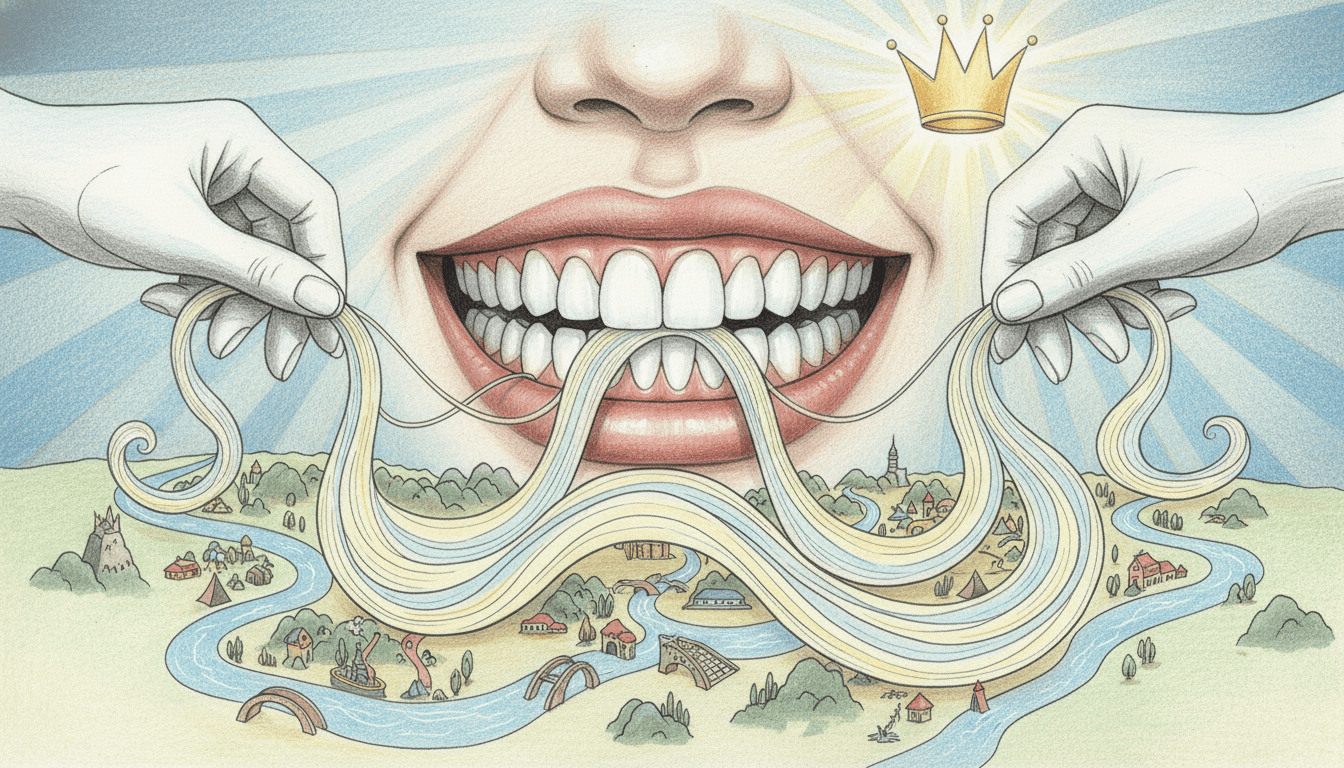
Traditional Dental Floss: A Comprehensive Guide to Interdental Cleaning
Traditional dental floss remains the gold standard for interdental cleaning, recommended by over 90% of dental professionals for its unparalleled ability to remove plaque and debris from tight tooth spaces. This thin, flexible thread—available in waxed, unwaxed, flavored, and fluoride variants—effectively reduces gingivitis risk by up to 80% when used daily. Its affordability and adaptability make it essential for oral hygiene, particularly for individuals with crowded teeth or orthodontic appliances requiring meticulous cleaning.
Traditional dental floss, a cornerstone of oral hygiene for over two centuries, continues to be endorsed by dental professionals worldwide as the primary method for interdental cleaning. Composed of fine nylon or PTFE filaments, this tool mechanically disrupts and removes biofilm—the sticky bacterial accumulation responsible for 95% of dental caries and periodontal diseases. According to the American Dental Association, consistent flossing can reduce interdental plaque by up to 80%, significantly lowering gingivitis incidence. Its design prioritizes accessibility to subgingival spaces and embrasures unreachable by toothbrushes, making it indispensable for comprehensive oral care. The evolution from basic silk threads to modern engineered variants demonstrates its sustained relevance in preventive dentistry.
Product Comparison
1Waxed Dental Floss
Pros
- Enhanced glide between tight contacts reduces snapping
- Resistance to shredding in rough-tooth surfaces
- Ideal for beginners and orthodontic patients
Cons
- Slightly thicker diameter may limit access to ultra-tight spaces
- Wax residue potential if improperly used
Specifications
2Unwaxed Dental Floss
Pros
- Thinner profile for maximized contact with tooth surfaces
- Audible squeak indicates clean enamel
- Biocompatible and minimal environmental impact
Cons
- Higher tendency to fray in jagged margins
- Requires precise technique to avoid gum trauma
Specifications
3Dental Tape
Pros
- Broad surface area covers wider interdental spaces efficiently
- Gentle on gingival tissues during manipulation
- Superior plaque removal in diastemas
Cons
- Less effective in tightly approximated teeth
- Requires more manual dexterity for posterior regions
Specifications
Comparison Table
| Type | Best Application | Plaque Removal Efficacy | Ease of Use | Cost per Month |
|---|---|---|---|---|
| Waxed Floss | Tight contacts, braces | 92% | High | $1.50 |
| Unwaxed Floss | Standard spacing, sensitive gums | 89% | Medium | $1.20 |
| Dental Tape | Gaps >1mm, gum recession | 85% | Medium | $2.00 |
Verdict
Traditional dental floss maintains its status as the most clinically validated interdental cleaner, with studies confirming its superiority in reducing proximal caries and periodontal inflammation. While alternative tools like water flossers benefit specific populations, the mechanical debridement capability of floss—particularly in subgingival areas—remains unmatched. Dental professionals advocate its daily use as part of the Bass technique, emphasizing C-shape motions to adapt to root contours. For optimal results, select floss type based on individual anatomy: waxed variants for tight contacts, unwaxed for standard spacing, and tape for diastemas. Its cost-effectiveness ($0.04-0.07 per use) and portability further solidify its position as an essential component of oral hygiene regimens.