Preventing Gum Disease and Tooth Decay: A Comprehensive Guide to Oral Ecosystem Health
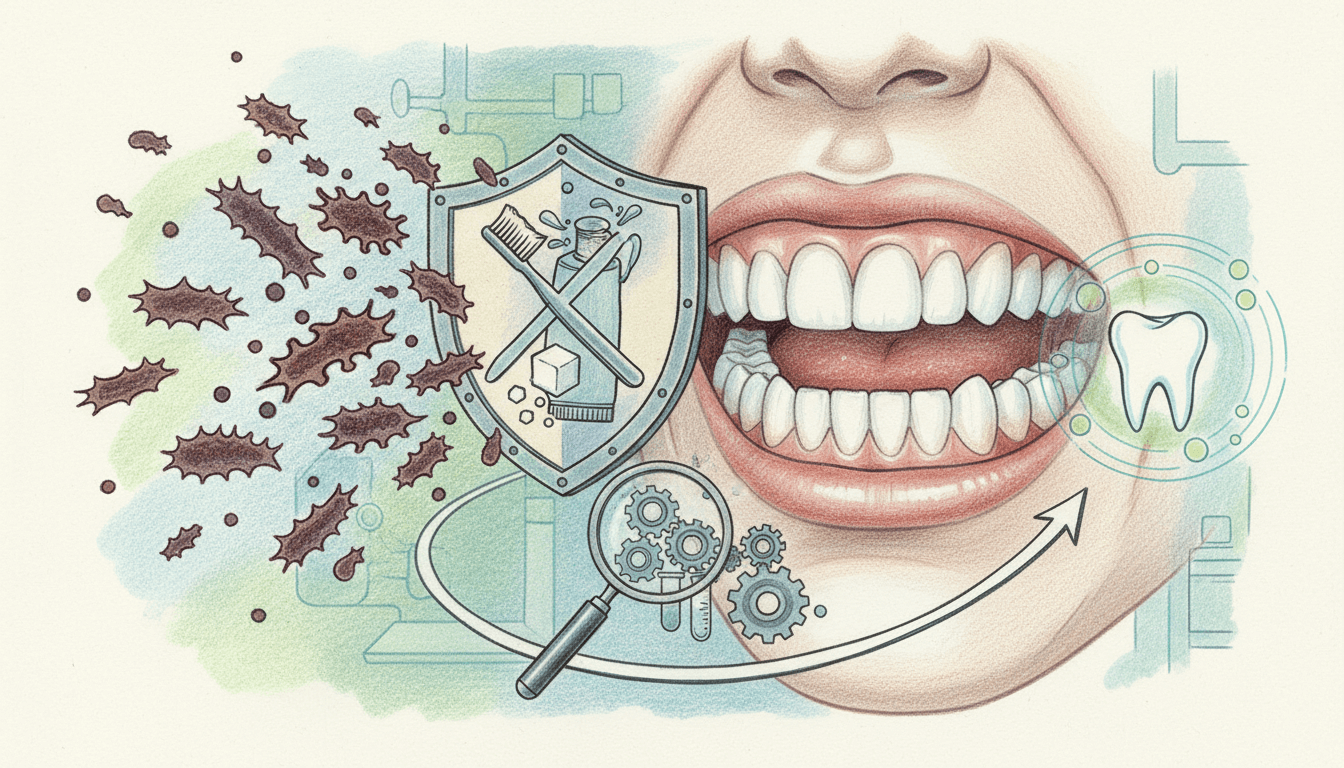
This in-depth guide provides a scientific and practical examination of preventing gum disease and tooth decay. Building on insights from Cleveland Clinic Dental Experts, it explores the complex mechanisms of plaque formation, the critical progression from gingivitis to periodontitis, and the systemic health implications of poor oral hygiene. The article details advanced prevention strategies, from daily cleaning techniques to professional interventions, and offers expert commentary on long-term oral health maintenance. Readers will gain a thorough understanding of how to protect their gums, preserve their teeth, and implement a robust, evidence-based oral care routine for a lifetime of healthier smiles.
Oral health is a cornerstone of overall well-being, yet conditions like gum disease and tooth decay remain pervasive global health concerns. This article, grounded in expertise from the Cleveland Clinic Dental Experts, delves beyond basic brushing advice to explore the intricate biological battlefield within the mouth. We will dissect the sophisticated mechanisms by which bacterial communities, known as plaque, orchestrate attacks on gingival tissue and dental enamel. Understanding gum disease is not merely about recognizing red or bleeding gums; it involves comprehending a chronic inflammatory condition that begins with subtle microbial shifts and can escalate to the destruction of the bone supporting your teeth. Similarly, tooth decay, or caries, is a dynamic process of demineralization driven by specific acid-producing bacteria. The convergence of these two processes often signifies a dysbiotic oral ecosystem. Our mission is to equip you with an advanced, evidence-based understanding of prevention. We will examine the full spectrum of intervention—from the critical importance of early detection of gum inflammation to mastering thorough cleaning techniques that disrupt plaque biofilm architecture. This guide synthesizes clinical knowledge with practical application, offering a long-term outlook on preserving your oral health and, by extension, safeguarding your systemic health against the risks associated with advanced periodontal disease.
The Oral Ecosystem: Understanding Plaque Formation and Bacterial Biofilms
The human mouth is a complex ecosystem, home to hundreds of bacterial species. The foundational event for both gum disease and tooth decay is the formation of dental plaque, a sticky, colorless biofilm that adheres tenaciously to tooth surfaces. This process begins within minutes after cleaning. The technical data highlights the 'plaque_formation_process' as bacteria creating biofilm on teeth surfaces. Initially, a conditioning film called the acquired pellicle, composed of salivary proteins, forms on the enamel. Pioneer bacteria, primarily streptococci, adhere to this pellicle. These early colonizers metabolize dietary sugars, producing acids and extracellular polymeric substances (EPS)—a glue-like matrix of polysaccharides that forms the scaffold of the biofilm. As the biofilm matures over 24-72 hours, its microbial diversity increases dramatically. Secondary colonizers like Fusobacterium nucleatum act as bridges, allowing later-arriving, more pathogenic bacteria associated with gum disease, such as Porphyromonas gingivalis and Tannerella forsythia, to integrate into the community. This structured biofilm is not a simple collection of bacteria; it is a coordinated, protected microbial city. The EPS matrix acts as a barrier, shielding the bacteria from the mechanical action of brushing and the chemical action of antimicrobial agents like mouthwash. It also facilitates direct cell-to-cell communication (quorum sensing) and creates localized acidic environments at the tooth-biofilm interface, driving demineralization and cavity formation. From a clinical perspective, disrupting this biofilm architecture daily is non-negotiable for prevention. Once plaque calcifies into tartar or calculus—a hard, mineralized deposit that brushing cannot remove—it provides a permanent, rough surface for further plaque accumulation, directly against the gumline, exacerbating inflammation. Understanding that plaque is a dynamic, organized biological system, rather than just 'dirt on teeth,' reframes oral hygiene as ecological management. The goal is to consistently prevent the biofilm from reaching a mature, pathogenic state through mechanical disruption and ecological modulation.
From Gingivitis to Periodontitis: The Stages of Gum Disease Progression
Gum disease is a continuum, and its progression is a textbook example of how chronic inflammation leads to tissue destruction. The initial stage, gingivitis, is defined as inflammation of the gingiva (gums) without loss of the supporting bone. As per the technical data, 'gingivitis_development' occurs when bacterial plaque near gums causes inflammation. This inflammation is the body's immune response to the toxins (endotoxins) produced by bacteria in the subgingival plaque. Clinically, it manifests as redness, swelling, and bleeding upon probing or brushing. Crucially, gingivitis is entirely reversible with effective plaque removal. However, if the inflammatory challenge persists for an extended period—often due to inadequate oral hygiene, genetic predisposition, or risk factors like smoking—the condition can progress to periodontitis. This shift represents a change in both the bacterial community (a shift to more anaerobic, proteolytic bacteria) and the host's immune response. The 'periodontitis_risk', as noted, is that untreated gingivitis leads to bone and tissue loss. In periodontitis, the inflammation extends deeper, destroying the periodontal ligament that anchors the tooth to the bone and the alveolar bone itself. The body's own immune cells, in an attempt to fight the infection, release enzymes like collagenase and inflammatory cytokines (e.g., IL-1β, TNF-α) that inadvertently break down the connective tissue and bone. Pockets form between the gum and tooth, deepening as attachment is lost. These pockets become anaerobic environments ideal for further pathogenic bacterial growth, creating a vicious cycle of infection and destruction. The 'gum_disease_consequences' include not only potential tooth loss but also systemic health risks. The ulcerated pocket epithelium acts as a chronic wound, allowing bacteria and inflammatory mediators to enter the bloodstream. This has been epidemiologically linked to an increased risk of cardiovascular disease, poorly controlled diabetes, adverse pregnancy outcomes, and rheumatoid arthritis. The long-term outlook for a patient with periodontitis depends on early diagnosis, the efficacy of professional treatment to reduce the microbial load and pocket depth, and the patient's unwavering commitment to meticulous daily plaque control. Advanced cases may require regenerative surgical procedures to attempt to rebuild lost bone.
The Science of Decay: How Tooth Structure Succumbs to Bacterial Acids
Tooth decay, or dental caries, is a biofilm-mediated, diet-modulated, multifactorial disease that results in the net demineralization of dental hard tissues. It is intrinsically linked to the plaque ecosystem but involves a specific subset of acidogenic and aciduric bacteria, primarily Streptococcus mutans and Lactobacillus species. The process is a chemical battle occurring at the interface between the tooth surface and the plaque biofilm. When fermentable carbohydrates (sugars and cooked starches) are consumed, they are rapidly metabolized by these bacteria within the biofilm, producing organic acids (primarily lactic acid). This causes a sharp drop in pH at the tooth surface, from a neutral ~7 to below the critical pH of 5.5 for enamel demineralization. At this acidic pH, calcium and phosphate ions dissolve out of the hydroxyapatite crystals of the enamel in a process called demineralization. Saliva is the body's natural defense. It acts as a buffer, neutralizing acids and providing calcium and phosphate ions for remineralization. It also contains antibacterial agents and helps clear food debris. However, if acid attacks are frequent (e.g., from sipping sugary drinks throughout the day), saliva cannot keep up. The demineralization process outpaces remineralization, leading to a microscopic porous lesion in the enamel—the white spot lesion, which is the earliest visible sign of decay. If unchecked, the process progresses through the enamel into the softer dentin layer, eventually reaching the pulp, causing pain and infection. Fluoride is a cornerstone of prevention because it integrates into the enamel structure, forming fluorapatite, which is more resistant to acid dissolution. Fluoride also enhances remineralization by attracting calcium and phosphate ions and inhibiting bacterial metabolism. A technical comparison reveals that while gum disease is primarily an inflammatory condition affecting soft tissue and bone, tooth decay is a chemical dissolution process affecting the hard tooth structure. However, they are co-conspirators: gingival recession from periodontitis can expose root surfaces (cementum and dentin), which demineralize at a higher pH (~6.0-6.5), making them more susceptible to root caries.
Mastering Mechanical Plaque Control: Brushing, Flossing, and Interdental Care
Implementing thorough cleaning techniques is the most critical patient-dependent factor in preventing both gum disease and decay. The objective is the daily, mechanical disruption of the plaque biofilm from all tooth surfaces, including at and below the gumline. Toothbrushing is the primary tool, but technique matters more than tool. The modified Bass technique is often recommended by periodontists: angle the bristles at 45 degrees toward the gumline, making small, circular or vibrating motions to sweep plaque from the sulcus (the shallow groove between tooth and gum), then roll the brush downward (on uppers) or upward (on lowers) to clear it away. Brushing should last a full two minutes, twice daily, systematically covering all surfaces. Powered oscillating-rotating toothbrushes have robust clinical evidence showing a slight superiority in plaque and gingivitis reduction over manual brushing, largely because they standardize the motion. However, a perfect manual technique can be equally effective. The brush cannot reach the interproximal surfaces (between teeth), where plaque accumulates rapidly and is a prime site for both decay and the initiation of gum disease. This is where interdental cleaning is non-negotiable. Dental floss is the traditional tool, best for tight contacts. The technique involves curving the floss into a 'C-shape' against one tooth and sliding it gently up and down, past the gumline, then repeating on the adjacent tooth. For wider spaces, interdental brushes (like small bottle brushes) are more effective at removing biofilm and are often preferred by patients. Water flossers (oral irrigators) are excellent adjuncts; they disrupt plaque biofilm and reduce gingivitis, particularly around braces, implants, and bridges, but they are generally considered a supplement to, not a replacement for, mechanical contact cleaning (floss/brushes). The long-term outlook for oral health is directly proportional to the consistency and quality of this daily mechanical regimen. Industry expert commentary consistently emphasizes that the best tool is the one the patient will use correctly and consistently. A common pitfall is aggressive 'scrubbing,' which can lead to gingival recession and tooth abrasion, compromising the very structures one aims to protect.
The Role of Chemical Adjuncts: Mouthwashes, Fluoride, and Antimicrobials
While mechanical removal is paramount, chemical adjuncts play a vital supporting role in managing the oral ecosystem. They are not substitutes for brushing and flossing but can enhance outcomes by targeting bacteria in hard-to-reach areas or by providing therapeutic agents. Fluoride, as discussed, is the gold standard for caries prevention. It is available in toothpaste (1000-1500 ppm fluoride is standard for adults), professional varnishes/gels, and over-the-counter mouth rinses. High-concentration prescription toothpaste (5000 ppm fluoride) is used for patients at high risk of decay. For gum health, antimicrobial mouthwashes are commonly recommended. The two most evidence-based agents are chlorhexidine gluconate and essential oil formulations (e.g., Listerine). Chlorhexidine is a potent broad-spectrum antimicrobial and is considered the most effective anti-plaque and anti-gingivitis agent available. However, its long-term daily use is limited by side effects like tooth staining, altered taste, and, rarely, mucosal irritation; it is typically prescribed for short-term use (e.g., post-surgery) or for intermittent 'shock' therapy. Essential oil mouthwashes (e.g., thymol, eucalyptol, menthol, methyl salicylate) have a long history of use and significant clinical data showing they reduce plaque and gingivitis by disrupting bacterial cell walls and inhibiting their enzymatic activity. They are suitable for long-term daily adjunctive use. Cetylpyridinium chloride (CPC) is another common ingredient with anti-plaque properties. A newer category includes stannous fluoride toothpastes, which combine fluoride for decay with stannous ions that have antimicrobial and anti-inflammatory effects on gums. The choice of adjunct depends on the individual's primary risk: high caries risk prioritizes fluoride, while high gingivitis/periodontitis risk may benefit from an antimicrobial rinse. Expert commentary stresses that these chemicals work on planktonic (free-floating) bacteria and the surface layers of biofilm; they cannot penetrate deep into mature biofilm or subgingival pockets, which is why mechanical disruption is irreplaceable. The long-term outlook involves using these agents strategically as part of a personalized preventive plan developed with a dental professional.
Professional Interventions: The Critical Importance of Regular Dental Evaluations
Regular professional dental evaluations are the linchpin of a successful preventive strategy. Even the most diligent home care cannot remove calculus (tartar), and self-assessment cannot identify early problems. A typical recall appointment involves two key components: the examination and prophylaxis (cleaning). The examination is a comprehensive assessment. The dentist or hygienist will use a periodontal probe to measure pocket depths around each tooth, checking for bleeding and any loss of attachment—the definitive diagnosis of periodontitis cannot be made without these measurements. They will perform a visual and tactile examination for new cavities, often supplemented by bitewing X-rays to detect decay between teeth and assess bone levels. They also screen for oral cancer, check restorations, and evaluate occlusion. The prophylaxis, or cleaning, involves scaling to remove all supra- and subgingival plaque and calculus. For patients with healthy gums (gingival sulcus ≤ 3mm), this is a standard cleaning. For patients with periodontitis (pockets >4mm with bone loss), a deeper cleaning called scaling and root planing (SRP) is necessary. This is a therapeutic, non-surgical procedure where specialized instruments are used to remove plaque, calculus, and bacterial toxins from the root surfaces deep within the pockets, smoothing the root to facilitate gum reattachment. This is often the first line of treatment for periodontitis and may be done in quadrants under local anesthesia. The frequency of these visits is not one-size-fits-all. While the traditional six-month recall is common for low-risk patients, those with active gum disease, high caries risk, or systemic conditions like diabetes may require visits every three to four months for supportive periodontal therapy. These maintenance visits are crucial to monitor stability, remove re-accumulated calculus, and reinforce home care. From a long-term outlook, this professional partnership is what transforms reactive dental care (fixing problems) into proactive health management (preventing problems). It allows for early intervention when gingivitis is still reversible and decay is a small, easily restored lesion, saving the patient from more complex, costly, and invasive treatments down the line.
Key Takeaways
FAQs
Is bleeding gums normal when I floss?
No, bleeding gums are never normal and are the primary sign of gingivitis—inflammation caused by plaque bacteria. It indicates that the gum tissue is inflamed and ulcerated. However, with consistent, gentle flossing and proper brushing, the inflammation should subside, and bleeding typically stops within 1-2 weeks. Persistent bleeding despite good home care warrants a professional evaluation.
Can gum disease be cured?
Gingivitis, the early stage, can be completely cured (reversed) with effective plaque removal. Periodontitis, the advanced stage involving bone loss, cannot be 'cured' in the sense that the lost bone and connective tissue do not regenerate fully on their own. However, it can be successfully treated, controlled, and maintained in a stable, non-progressive state for life through professional therapy (like scaling and root planing) and impeccable daily home care. It is a manageable chronic condition.
Is an electric toothbrush really better than a manual one?
High-quality electric toothbrushes with oscillating-rotating or sonic technology have a body of clinical evidence showing they are slightly more effective at reducing plaque and gingivitis than manual brushing for the average user. This is largely because they provide a consistent motion and often have timers. However, an excellent technique with a manual brush can be equally effective. The 'best' brush is the one you will use correctly and consistently. For those with dexterity issues, electric brushes are often highly recommended.
How often do I really need to see the dentist?
The traditional six-month interval is a good standard for many low-risk adults and children. However, the ideal frequency is personalized. Patients with active gum disease, a high rate of decay, dry mouth, diabetes, or who smoke may need professional cleanings and check-ups every 3-4 months. Conversely, some very low-risk patients with impeccable hygiene might be advised to come annually. Your dentist should recommend a recall schedule based on your individual risk assessment.
Does mouthwash replace flossing?
Absolutely not. Mouthwash, even the most potent antimicrobial rinse, primarily affects free-floating bacteria and the surface of the plaque biofilm. It cannot physically remove the structured biofilm matrix or dislodge food debris from between teeth. Flossing or using interdental brushes is the only way to mechanically clean these contact points, which are prime sites for disease. Mouthwash is a useful adjunct, not a replacement.
What is the link between gum disease and heart disease?
The link is primarily inflammatory. Chronic periodontitis creates an ongoing state of low-grade systemic inflammation, with inflammatory markers like CRP being elevated. Bacteria from the infected gums can also enter the bloodstream. This is thought to contribute to atherosclerosis (hardening of the arteries) by promoting endothelial dysfunction and plaque formation in blood vessels. While not a direct cause-and-effect, periodontitis is considered a risk factor for cardiovascular disease, and managing it is part of overall cardiovascular risk reduction.
Are natural or charcoal toothpastes effective?
Any toothpaste that contains fluoride (at least 1000 ppm for adults) and has the American Dental Association (ADA) Seal of Acceptance is effective for preventing decay. Many 'natural' toothpastes lack fluoride, which is a significant drawback. Charcoal toothpastes are often abrasive and can wear down enamel over time; they are not recommended for daily use. The primary active ingredient for decay prevention is fluoride, so that should be your first criterion when choosing a toothpaste.
I have sensitive teeth. Does that mean I have decay or gum disease?
Not necessarily, but it can be a symptom. Sensitivity often occurs when dentin (the layer under the enamel) becomes exposed due to gum recession (from gum disease or over-brushing) or enamel wear (from acid erosion or abrasion). It can also signal a cavity that has reached the dentin. A dental examination can determine the cause. Using a desensitizing toothpaste containing potassium nitrate or stannous fluoride can help block the tubules in the dentin, reducing sensitivity, but treating the underlying cause is essential.
Guide Conclusion
Preventing gum disease and tooth decay is an achievable goal that requires a blend of scientific understanding, practical skill, and professional partnership. By viewing your mouth as a complex ecosystem, you can appreciate the importance of daily biofilm management through meticulous brushing and interdental cleaning. Recognizing the early, reversible signs of gingivitis empowers you to take action before irreversible damage occurs. Leveraging the protective benefits of fluoride and understanding the strategic role of professional care completes the preventive circle. The journey to lifelong oral health is not about perfection but about consistent, informed care. By integrating the comprehensive strategies outlined in this guide—from mastering mechanical techniques to maintaining regular dental evaluations—you invest not only in a healthier smile but also in your broader systemic well-being. Your oral health is a vital component of your overall health; protect it diligently.