Oral Hygiene Market Global Outlook: Trends, Drivers, and Strategic Analysis 2024-2034
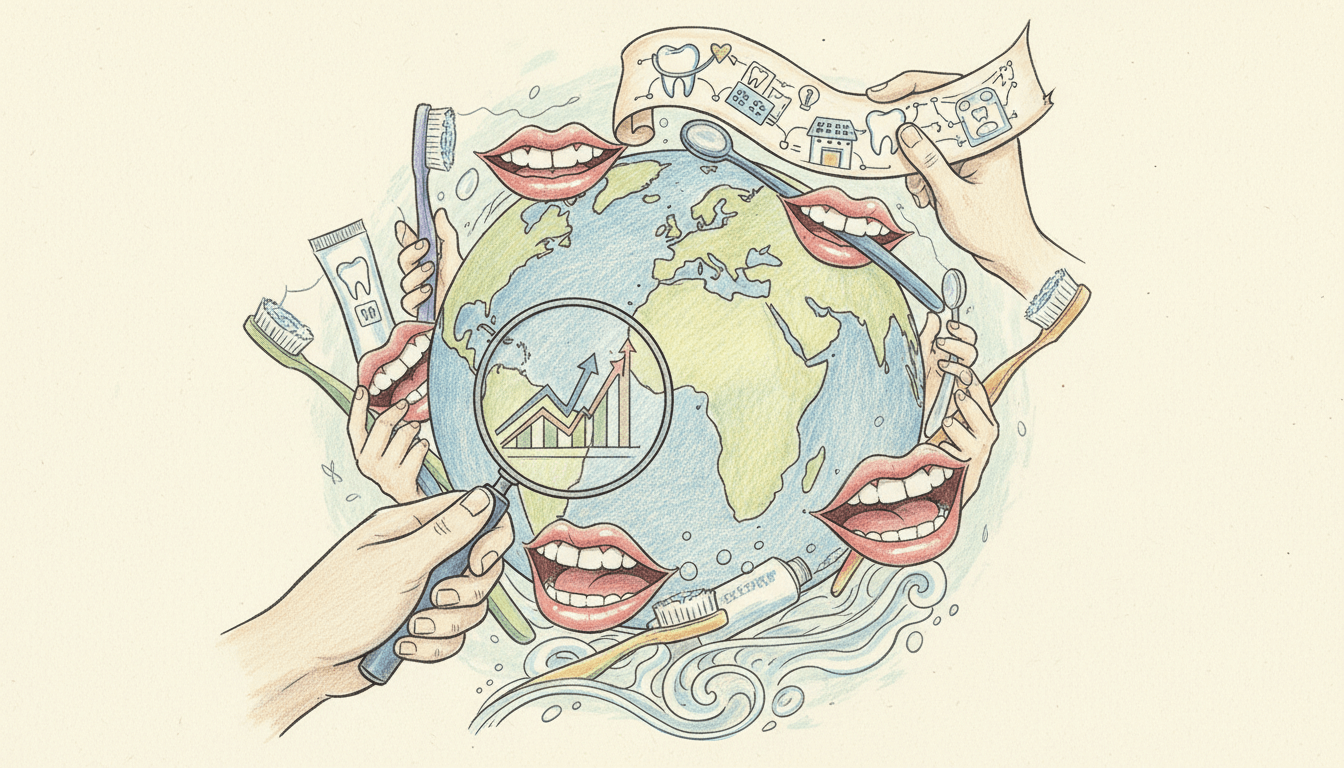
This comprehensive analysis provides a detailed global outlook on the oral hygiene market, projecting a robust 4.2% CAGR growth from 2024 to 2034. The report delves into the core market dynamics, including the surge in oral health awareness, the escalating demand for specialized and cosmetic dental products, and the paradigm shift towards preventive care solutions. It examines consumer behavior patterns, technological innovations, and regional market variations, offering a strategic deep-dive for industry stakeholders, investors, and dental care professionals seeking to understand the future trajectory of oral care.
The global oral hygiene market stands at a pivotal juncture, characterized by a transformative shift from basic, commoditized care to a sophisticated, health-and-aesthetics-driven industry. As forecast by Fact.MR, the market is poised for a steady and significant expansion at a Compound Annual Growth Rate (CAGR) of 4.2% from 2024 through 2034. This growth is not merely quantitative but qualitative, reflecting profound changes in consumer consciousness, technological integration, and healthcare paradigms. The foundational driver is the unprecedented global awareness of oral health's intrinsic link to systemic well-being. Research connecting periodontal disease to conditions like cardiovascular disease, diabetes, and adverse pregnancy outcomes has moved from academic journals to mainstream media, compelling consumers to invest more thoughtfully in their oral care routines. Concurrently, the digital age has democratized access to information, with social media and telehealth platforms amplifying the importance of a healthy smile, not just for function but for social and professional confidence. This dual demand—for genuine health and perceived aesthetics—fuels innovation across product segments. The market is no longer confined to toothpaste and manual brushes; it now encompasses a vast ecosystem including smart electric toothbrushes with AI-powered coaching, water flossers with customizable pressure settings, probiotic mouthwashes aimed at microbiome balance, and professional-grade at-home whitening systems. Furthermore, the rise of cosmetic dental services, such as veneers, clear aligners, and bleaching, has created a lucrative downstream market for maintenance products designed to preserve these investments. Simultaneously, the expansion of preventive dental care solutions, championed by both insurers and public health bodies, emphasizes early intervention and daily management, moving the point of care increasingly into the home. This overview sets the stage for a deep exploration of a market that is dynamically responding to a world where oral care is integral to holistic health, personal branding, and preventative wellness strategies.
Routine Specs
Care Protocols
Market Research and Consumer Insight Generation: This foundational SOP involves continuous data collection via surveys, focus groups, social listening, and analysis of point-of-sale data to identify unmet needs, track shifting preferences (e.g., towards natural ingredients or sustainable packaging), and map consumer journeys from awareness to purchase and repurchase. It includes tracking search trends, online reviews, and professional dental recommendations to forecast emerging segments.
Product Development and Regulatory Compliance Pipeline: A critical SOP governing the innovation lifecycle. It begins with ideation based on market gaps, followed by R&D in labs to develop formulations or device prototypes. This phase includes rigorous in-vitro and in-vivo clinical testing to validate safety and efficacy claims. Concurrently, the regulatory affairs team navigates the complex process of securing approvals from relevant health authorities (FDA, EMA, etc.) for any therapeutic claims. The SOP ensures all marketing materials are pre-cleared to comply with advertising standards.
Multi-Channel Marketing and Professional Endorsement Strategy: This SOP outlines the integrated approach to building brand equity and driving sales. It details campaigns for direct-to-consumer digital advertising, content marketing (educational blogs, video tutorials), and influencer partnerships. A parallel, equally vital track focuses on the professional channel: engaging with dental professionals through key opinion leader (KOL) partnerships, sponsoring continuing education, providing clinical samples, and securing recommendations, which remain the most trusted source of product information for many consumers.
Supply Chain Management and Sustainability Integration: This operational SOP covers the end-to-end process from sourcing raw materials (with increasing emphasis on sustainable and ethically sourced ingredients) to manufacturing, packaging (optimizing for reduced plastic, recyclability, or refills), logistics, and inventory management across global and regional distribution centers. It includes specific protocols for auditing suppliers for environmental and social governance (ESG) criteria and for measuring and reducing the carbon footprint of the product lifecycle.
Post-Market Surveillance and Consumer Support: An essential SOP for maintaining quality and trust. It establishes systems for monitoring customer feedback, reviews, and reported adverse events post-launch. The customer support team follows protocols for handling inquiries, warranty claims, and troubleshooting for smart devices. Data from connected devices is anonymized and analyzed (following data privacy SOPs like GDPR compliance) to gain insights into real-world usage patterns and inform future software and hardware updates.
Advantages
- Sustained and Predictable Growth Trajectory: The projected 4.2% CAGR offers a stable and attractive growth outlook for investors and companies, insulated from the extreme volatility seen in some tech sectors. This growth is underpinned by the inelastic, essential nature of basic oral care and the expanding premium segments, creating a resilient market foundation.
- High Innovation Potential and Premiumization Opportunities: The convergence of tech, wellness, and aesthetics creates vast white space for innovation. Companies can develop higher-margin products through smart technology integration, clinically superior formulations, and sustainable design, moving consumers up the value chain from basic commodities to integrated health solutions.
- Strong Synergy with Macro Health and Wellness Trends: The market is perfectly aligned with global megatrends: aging populations requiring more dental care, rising health consciousness, the desire for aesthetic self-improvement, and the focus on prevention to reduce long-term healthcare costs. This alignment ensures continuous demand tailwinds.
- Diverse Revenue Streams and Channels: Revenue can be generated through multiple vectors: one-time product sales, subscription refills, consumables (brush heads, floss refills), companion app services or data insights, and professional sales through dental clinics. This diversity mitigates risk and maximizes customer lifetime value.
- Positive Societal Impact and Health Advocacy Role: A thriving oral hygiene market contributes directly to improved public health outcomes by reducing the prevalence of caries and periodontal disease. Companies can build strong brand equity by engaging in community water fluoridation support, oral health education programs, and access-to-care initiatives.
Limitations
- Intense Competition and Market Saturation in Core Segments: The toothpaste and manual toothbrush markets in developed regions are highly saturated, with fierce competition on price, marginal feature differentiation, and significant marketing spend required to maintain shelf space and mindshare, squeezing profit margins.
- Regulatory Scrutiny and Claim Substantiation Challenges: Making any health claim (anti-gingivitis, cavity prevention, enamel repair) requires expensive and time-consuming clinical trials. Regulatory bodies are increasingly vigilant about greenwashing (false sustainability claims) and the evidence behind 'natural' or 'chemical-free' marketing, creating a high barrier to entry and legal risk.
- Volatility in Raw Material Costs and Supply Chain Disruptions: The industry is susceptible to fluctuations in the prices of petroleum-based plastics for packaging, specialty chemicals for actives, and electronic components for smart devices. Global supply chain fragility, as witnessed recently, can lead to production delays and increased costs.
- Consumer Skepticism and Marketing Overload: Consumers are becoming more skeptical of hyperbolic marketing claims and are inundated with choices. Building genuine trust requires transparent communication, third-party endorsements, and consistent product performance, which is difficult and costly to achieve in a noisy marketplace.
- Dependence on External Factors for Premium Segment Growth: The growth of high-margin cosmetic and tech segments is closely tied to discretionary spending. Economic downturns can lead consumers to trade down to value brands, impacting profitability. Furthermore, the adoption of advanced products in emerging markets is contingent on rising disposable incomes and education, which can be uneven.