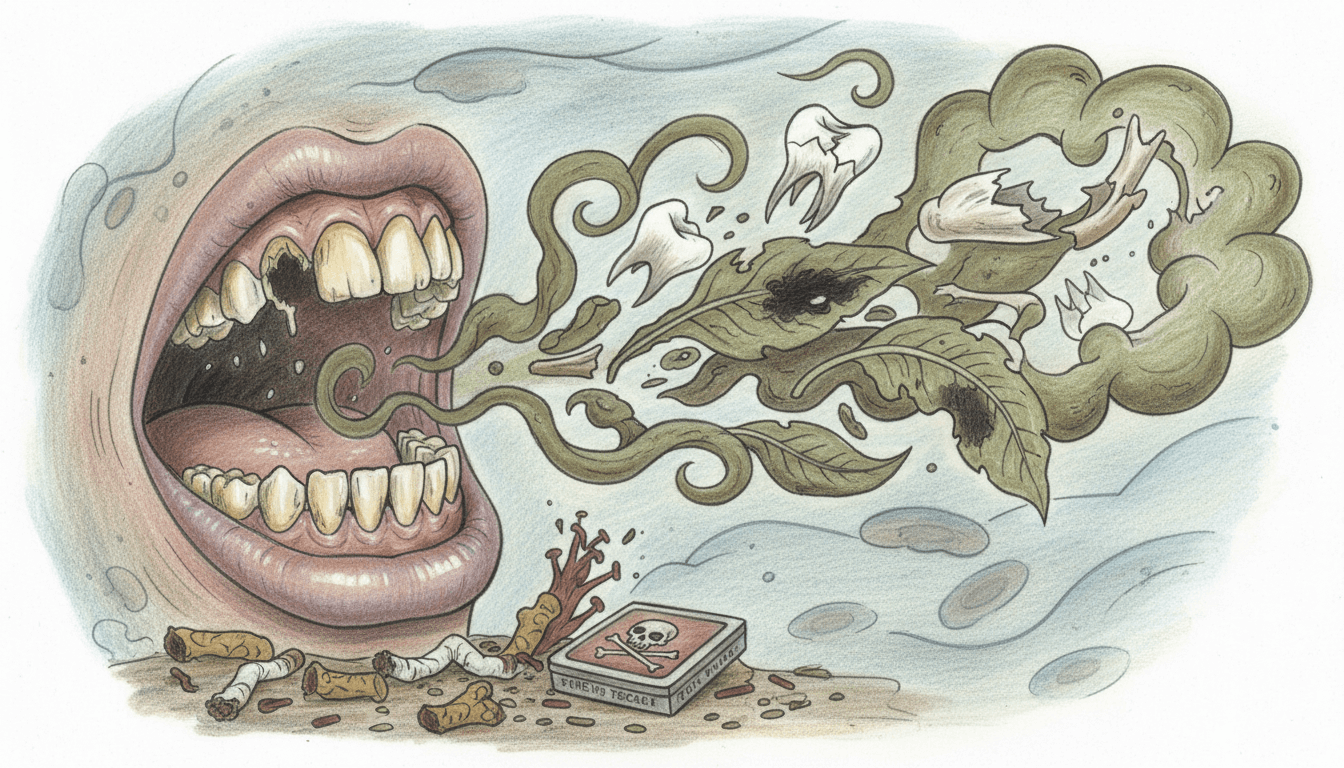
Tobacco and Oral Health Impact: Risks, Prevention, and Evidence-Based Dental Routines
Tobacco use significantly compromises oral health by increasing risks of gum disease, tooth decay, and oral cancer, with research indicating smokers face up to six times higher likelihood of periodontal disease. Products like cigarettes and smokeless tobacco introduce carcinogens and toxins that impair healing, stain teeth, and foster bacterial growth. Dental professionals emphasize cessation through medical guidance, nicotine replacement therapies, and counseling as critical to mitigating damage. Integrating tobacco-free habits with rigorous oral hygiene—including brushing, flossing, and regular dental check-ups—can substantially reduce these risks and support long-term systemic health.
12 min read68.9k
4.8
Dr. Elena Martinez, DDS
2025-10-08
4015 helpful
Comprehensive Analysis of Tobacco's Impact on Oral Health and Effective Mitigation Strategies
Review
Tobacco use remains a leading preventable cause of oral health deterioration, with well-documented associations to periodontal disease, dental caries, and malignant transformations in oral tissues. According to epidemiological studies, smokers exhibit a 3-6 times higher incidence of periodontitis compared to non-smokers, largely due to nicotine-induced vasoconstriction that reduces blood flow to gingival tissues, impairing immune responses and healing capacities. The carcinogenic compounds in tobacco—such as polycyclic aromatic hydrocarbons and tobacco-specific nitrosamines—directly damage DNA in oral mucosal cells, elevating oral cancer risk by approximately 10-fold. Clinical manifestations include leukoplakia, erythroplakia, and persistent ulcerations, which necessitate prompt biopsy and intervention. Additionally, tobacco use accelerates tooth decay through xerostomia (reduced saliva production) and enamel erosion from acidic components in smokeless products. For cessation, evidence supports combining behavioral counseling with pharmacotherapy like varenicline or nicotine replacement gums, which can double abstinence rates. Integrating daily oral hygiene practices—such as fluoride toothpaste use, interdental cleaning, and antimicrobial mouth rinses—is vital for smokers to minimize plaque accumulation and inflammation. Regular dental screenings every six months enable early detection of premalignant lesions and periodontal monitoring, crucial for mitigating long-term sequelae. Ultimately, tobacco cessation coupled with proactive dental care forms the cornerstone of oral health preservation, aligning with systemic wellness goals.
Would Recommend