The Tongue Scraper: An Essential Guide to Advanced Oral Hygiene and Bacteria Removal
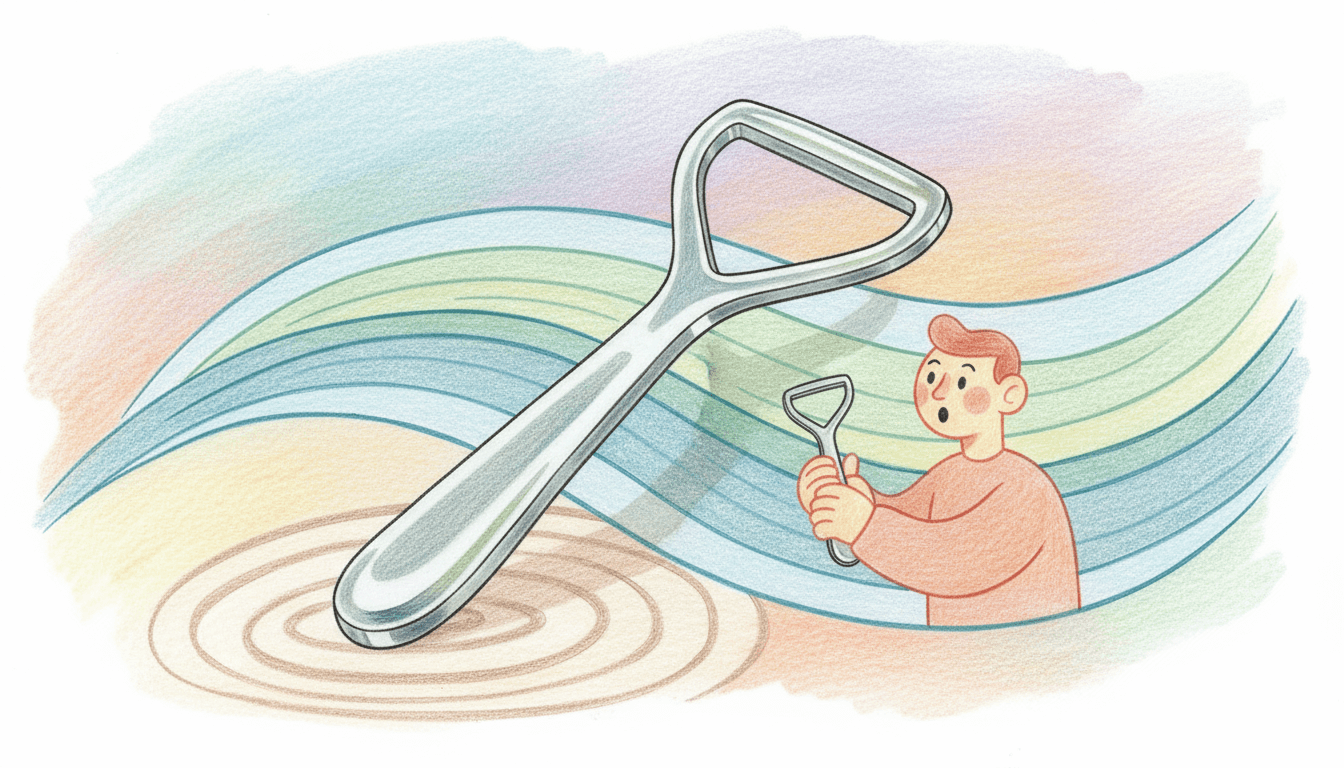
The tongue scraper is a fundamental yet often overlooked U-shaped oral hygiene tool designed for the effective mechanical removal of bacteria, food debris, fungal organisms, and dead epithelial cells from the tongue's dorsal surface. This detailed analysis explores its critical role as an adjunct to brushing and flossing, substantiating its benefits for reducing volatile sulfur compound-producing bacteria, improving halitosis management, and promoting a comprehensive oral microbiome balance. We examine its technical evolution, material science, correct usage protocols, clinical efficacy data, and its growing importance in preventive dental care regimens recommended by professionals worldwide.
The tongue scraper represents a pivotal, specialized instrument in the modern oral hygiene arsenal, moving beyond the traditional focus on teeth and gums to address the complex ecosystem of the tongue. Anatomically, the tongue's surface is covered with papillae, creating a vast, textured landscape where bacteria, food particles, dead cells, and postnasal drip can accumulate, forming a coating often visible as a white or yellowish film. This biofilm is a primary reservoir for microorganisms, including those that produce volatile sulfur compounds (VSCs)—the leading cause of persistent oral malodor, or halitosis. While toothbrushing disrupts plaque on dental surfaces and flossing cleans interdental spaces, neither effectively addresses the broad, textured area of the tongue. This is where the tongue scraper, with its simple yet optimized U-shaped design, performs its singular function: applying gentle, controlled pressure to physically detach and remove this coating from the posterior to anterior of the tongue. Its importance is underscored by a growing body of dental research and professional consensus, which positions tongue cleaning not as an optional extra, but as a necessary component of a complete oral care routine. The American Dental Association and various global periodontal societies acknowledge that mechanical tongue cleaning can significantly reduce oral bacterial load, improve taste perception by cleaning the taste buds, and contribute to an overall feeling of oral freshness. The tool's efficacy is not merely subjective; clinical studies utilizing organoleptic measurements and halimeter readings have demonstrated measurable reductions in breath odor following consistent, proper use. From a public health perspective, integrating tongue scraping can be seen as a low-cost, high-impact intervention for maintaining oral wellness and potentially mitigating risk factors associated with oral-systemic health links. As consumers become more educated about holistic health, the demand for such targeted tools grows, transforming the tongue scraper from a niche product into a mainstream essential for anyone committed to comprehensive personal hygiene.
Routine Specs
Care Protocols
Preparation and Inspection: Begin by thoroughly washing your hands. Rinse the tongue scraper under warm water. Visually inspect the scraper for any signs of damage, such as cracks in plastic or bent/deformed edges on metal scrapers. A damaged scraper should not be used as it could injure the tongue's surface. Stand in front of a mirror in good light to observe your tongue and the scraping process.
Positioning and Initial Placement: Extend your tongue fully out of your mouth. Gently hold the tip of your tongue with a piece of clean tissue or gauze in your non-dominant hand to stabilize it and minimize the gag reflex. With your dominant hand, hold the tongue scraper firmly by its handles. Position the rounded cleaning edge of the scraper at the very back of your tongue, as far back as you can comfortably reach without triggering a strong gag. It is crucial to start at the back, as this is where the thickest biofilm accumulates. Apply light, even downward pressure so the edges of the scraper make full contact with the tongue's surface.
The Scraping Stroke: Maintaining gentle pressure, pull the scraper steadily forward from the back of the tongue to the very tip. Use a single, smooth, continuous motion. Avoid using a back-and-forth sawing motion, as this is less effective and can irritate the tissue. After the stroke, check the scraper; you will likely see a whitish or yellowish residue. Rinse the scraper under running water to clear the debris.
Repetition and Completion: Repeat the process, starting again at the back (or a slightly different lateral position to cover the entire width of the tongue), for a total of 2 to 4 strokes or until no more significant debris is being removed and the tongue appears pink and clean. Over-scraping is unnecessary and potentially harmful. After the final stroke, thoroughly clean the scraper with warm water and soap, ensuring all debris is removed. Pat it dry with a clean towel and store it in a dry, clean place. Follow tongue scraping with your regular toothbrushing and flossing routine for a complete clean.
Post-Procedure and Hygiene: Rinse your mouth thoroughly with water. Observe your tongue and mouth for any signs of irritation, bleeding, or discomfort. If any occurs, you may be using too much pressure or a damaged tool. The scraper itself requires regular deep cleaning. For metal scrapers, periodic sterilization by boiling in water for 5 minutes or running through a dishwasher is recommended. Plastic scrapers should be washed with hot, soapy water and replaced every 3-6 months or at the first sign of wear.
Advantages
- Superior Biofilm Removal: The primary and most significant advantage is its mechanical efficacy. The rigid or semi-rigid edge of a dedicated scraper applies controlled, broad-surface pressure that physically dislodges and removes the cohesive layer of bacteria, debris, and dead cells far more effectively than the bristles of a toothbrush, which tend to push material around or penetrate it incompletely.
- Effective Halitosis Management: By directly removing the anaerobic bacteria on the tongue's posterior that produce volatile sulfur compounds (VSCs), tongue scraping addresses a root cause of bad breath. The effect is often immediate and more sustained throughout the day compared to masking with mouthwashes or mints, providing a genuine therapeutic solution rather than a temporary cover.
- Enhancement of Taste Perception: A clean tongue surface allows taste buds (papillae) to be exposed and unclogged. Many users report a noticeable improvement in their ability to taste food, experiencing flavors more vividly and distinctly, as the coating no longer acts as a barrier between nutrients and taste receptors.
- Promotion of Overall Oral Hygiene: Incorporating tongue scraping creates a more comprehensive cleaning ritual. It reduces the overall bacterial load in the mouth, which can indirectly benefit gum and tooth health by decreasing the reservoir of pathogens available to colonize subgingival and interdental areas, potentially lowering the risk of gingivitis and caries.
- Cost-Effective and Durable: A quality tongue scraper, especially a metal one, is a one-time or very infrequent purchase. It requires no batteries, replacement heads, or consumables, making it an extremely economical addition to an oral care regimen that can last for years with proper care.
- Non-Chemical Intervention: For individuals sensitive to or wishing to avoid certain chemicals found in mouthwashes (e.g., alcohol, chlorhexidine), tongue scraping offers a purely mechanical, non-irritating method to improve oral cleanliness and freshness.
Limitations
- Potential for Improper Use and Irritation: The most common drawback stems from incorrect technique. Using excessive pressure, scraping from front to back, or using a sawing motion can cause micro-abrasions, irritation, or even damage to the delicate lingual mucosa. This can lead to discomfort, bleeding, and ironically, create entry points for bacteria.
- Risk of Triggering Gag Reflex: Placing the tool at the very back of the tongue, which is necessary for effectiveness, can trigger a strong gag reflex in some individuals, especially when first starting. This can make the experience unpleasant and deter consistent use. It requires patience, practice, and sometimes starting from a slightly more forward position and gradually moving back.
- Material and Design Limitations: Lower-quality plastic scrapers can be too flexible, reducing cleaning efficacy, or can develop rough edges over time that may scratch the tongue. Even metal scrapers, if poorly finished, can have sharp burrs. Not all U-shaped designs suit every individual's tongue anatomy, which can affect comfort and results.
- Perception as an Unnecessary Extra: Despite growing evidence, some consumers and even some dental professionals still view tongue scraping as a superfluous step, believing that toothbrushing or mouthwash is sufficient. This perception can hinder initial adoption and requires patient education to overcome.
- Maintenance Requirement: Like any hygiene tool, it must be kept clean. Failure to rinse and dry it thoroughly after each use can lead to bacterial colonization on the scraper itself, negating its benefits. Users must be diligent about its cleanliness.
- Not a Standalone Solution: A tongue scraper does not replace brushing and flossing. It is an adjunctive tool. Relying on it alone for oral care would neglect plaque on teeth and between them, leading to dental disease. Its value is only realized as part of a complete routine.