Electric Toothbrush Technology Comparison: An In-Depth Analysis of Oscillating-Rotating vs. Sonic Cleaning Methods
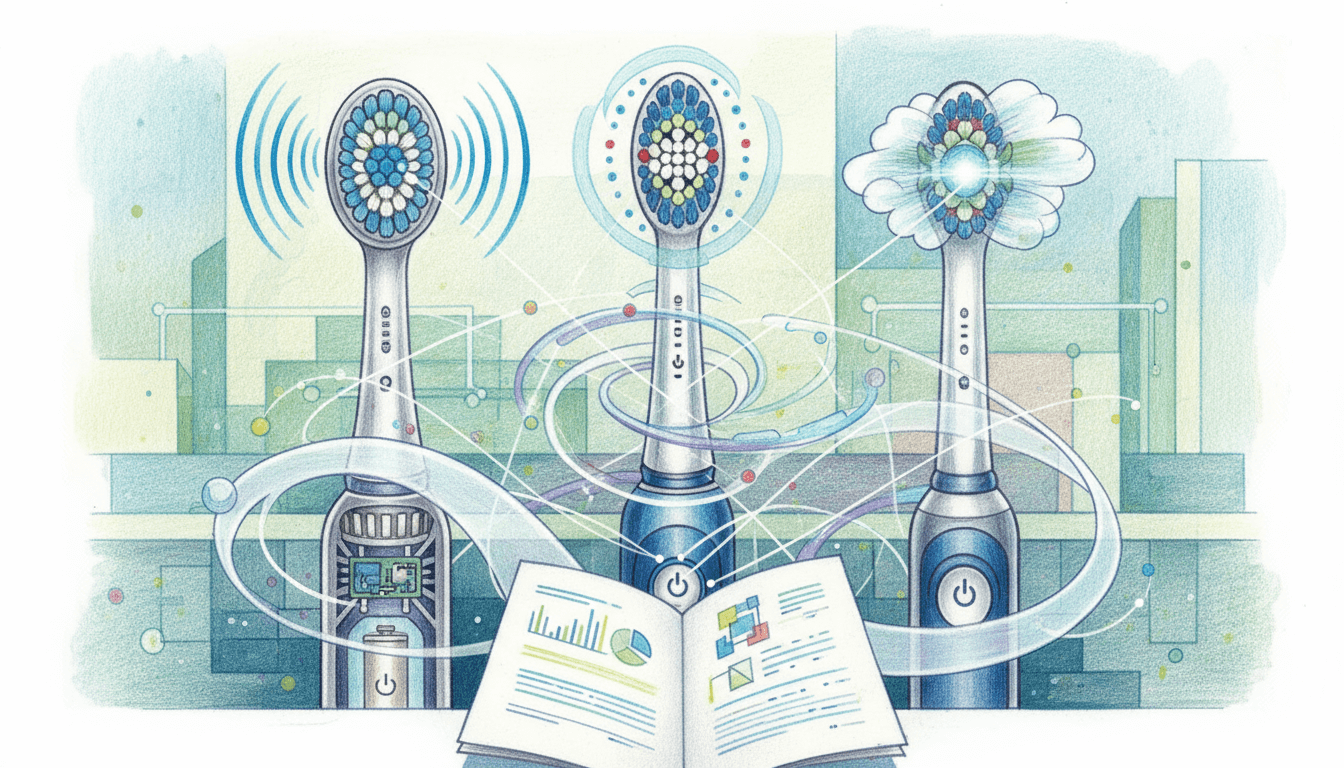
This comprehensive whitepaper provides a detailed, evidence-based comparison of the two dominant electric toothbrush technologies: oscillating-rotating and sonic. It explores the unique cleaning mechanisms, technological innovations, and clinical efficacy of each system, drawing on the latest dental technology reviews. The analysis covers advanced features from leading manufacturers, examines long-term oral health impacts, and offers a forward-looking perspective on the future of powered oral hygiene. Designed for both consumers and dental professionals, this guide serves as an authoritative resource for understanding how different brush technologies translate into real-world cleaning performance and gum health.
The modern electric toothbrush market is fundamentally defined by a technological dichotomy: oscillating-rotating systems and sonic cleaning methods. This division represents not just different engineering approaches but distinct philosophies on disrupting dental plaque and promoting gingival health. Based on the foundational analysis from 'Electric Teeth Dental Technology Review,' this overview establishes that while both primary technologies achieve a superior clean compared to manual brushing, their paths to that result are markedly different. Oscillating-rotating technology, pioneered and heavily refined by brands like Oral-B, employs a small, round brush head that physically rotates in one direction and then oscillates back in the other, providing a direct, mechanical scrubbing action. In contrast, sonic technology, championed by Philips Sonicare and others, utilizes a side-to-side vibrating motion at high frequencies—typically 31,000 strokes per minute or more—that relies on a combination of direct bristle contact and the dynamic fluid forces created in the mouth, a phenomenon known as fluid dynamics or 'acoustic streaming.' The core insight from comparative studies, including those referenced in the source material, is that both systems demonstrate 'similar cleaning efficacy' in controlled clinical settings when used correctly, effectively debunking simplistic claims of outright superiority for general populations. However, this parity in outcome masks profound differences in user experience, technological feature sets, and specific clinical applications. Manufacturers are engaged in 'continuous innovation,' expanding beyond the core cleaning mechanism to integrate smart pressure sensors, multiple brushing modes (gum care, whitening, sensitive), real-time coaching via Bluetooth, and advanced brush head designs with varied bristle patterns and materials. This article will exhaustively dissect these technologies, moving beyond marketing claims to provide a granular, technical, and practical comparison for informed decision-making.
Routine Specs
Care Protocols
Procedure 1: Initial Setup and Daily Use Protocol. Begin by fully charging the handle according to the manufacturer's instructions, typically for 12-24 hours on the first use. Attach the appropriate brush head by aligning it and pressing firmly until it clicks into place. Wet the brush head and apply a pea-sized amount of fluoride toothpaste. Turn on the brush after placing it in your mouth to prevent splatter. For oscillating-rotating brushes, use the 'C-Shaped' technique: place the small round head directly on the tooth at a slight angle towards the gumline, holding it in place for 2-3 seconds per tooth surface (outer, inner, chewing), allowing the brush's motion to do the work without vigorous scrubbing. For sonic brushes, use a more sweeping technique: place the brush head at a 45-degree angle to the gumline on a group of teeth and slowly move it along the arch, overlapping sections, relying on both bristle contact and the fluid dynamic action. In both cases, systematically clean all quadrants, guided by the built-in 30-second pacer. Apply gentle pressure; let the brush's technology provide the cleaning force. Rinse the brush head and handle thoroughly after use, detach the head periodically to clean the coupling, and store it upright in a ventilated area.
Procedure 2: Mode Selection and Specialized Care Protocols. Modern brushes offer multiple modes (Daily Clean, Gum Care, Whitening, Sensitive, Deep Clean). The Daily Clean mode is suitable for most users. Select Gum Care mode if you have gingivitis or are prone to bleeding; this often reduces intensity or incorporates specific pulses. Use Sensitive mode if you have dentin hypersensitivity, recession, or recent dental work; it lowers speed and amplitude. Whitening mode may combine a higher intensity with a longer timer (often 3 minutes) and is designed for surface stain removal but should be used judiciously to avoid abrasion. For orthodontic patients, specialized orthodontic brush heads with central bristle tuft indentations are recommended for oscillating brushes, while sonic brushes can use their standard heads with careful angulation around brackets. Always consult the mode guide in your manual and tailor usage to your specific oral condition as advised by your dental hygienist.
Procedure 3: Maintenance, Sanitization, and Brush Head Replacement Protocol. Weekly, perform a deep clean: remove the brush head and clean the metal shaft and coupling area on the handle with a damp cloth to prevent toothpaste and microbial buildup. Some models are dishwasher-safe for the brush head only (check manual). For sanitization, use UV sanitizer stands compatible with your model or occasionally soak the detachable brush head in an antibacterial mouthwash for 15 minutes. The most critical maintenance procedure is timely brush head replacement. Adhere strictly to the 3-month replacement cycle indicated by the bristle wear indicator or a subscription reminder. Worn bristles are drastically less effective at plaque removal and can harm gums. Monitor battery health; if runtime drops significantly, the battery may need service. Store the charger in a dry area and avoid wrapping the cord tightly. These procedures ensure optimal performance, hygiene, and longevity of your investment.
Advantages
- Superior Plaque Removal: Both core technologies are clinically proven to remove significantly more plaque than manual brushing, reducing the risk of gingivitis and caries. The mechanical action of oscillating brushes and the combined mechanical-fluid dynamic action of sonic brushes disrupt biofilm more effectively.
- Enhanced Gingival Health: Regular use leads to measurable reductions in gum inflammation and bleeding. The built-in timers encourage adequate brushing duration, and pressure sensors prevent traumatic brushing that can cause recession.
- Technological Innovation & Smart Features: Modern brushes are marvels of embedded tech, offering multiple cleaning modes for specific needs (sensitive, gum care, whitening), real-time coaching via smartphone apps, and synchronization with oral health ecosystems for tracking compliance.
- Ease of Use and Improved Compliance: For many users, especially those with dexterity issues (arthritis, elderly), electric brushes make effective cleaning easier to achieve. The guided routines and engaging apps improve adherence, particularly in children and teenagers.
- Advanced Brush Head Designs: Continuous R&D has produced brush heads with multi-angled bristles, varied filament densities, rubber stimulators, and polishing cups that target specific areas like the gumline, interproximal spaces, and tongue more effectively than uniform manual bristles.
Limitations
- Higher Initial and Ongoing Cost: The upfront investment for a premium electric brush is substantial, and the mandatory replacement of brush heads every 3 months constitutes a recurring expense significantly higher than manual brush replacements.
- Technique Dependency and Learning Curve: Despite being 'easier,' each technology requires its own specific technique for optimal results. Incorrect use (e.g., scrubbing with an oscillating brush, holding a sonic brush static) can diminish efficacy and potentially cause harm.
- Maintenance and Durability Concerns: The devices contain batteries that degrade over time, motors that can fail, and electronic components vulnerable to water ingress despite ratings. Repair is often impossible, leading to e-waste.
- Noise and Sensory Issues: The operational noise, particularly of sonic brushes, can be unpleasant for some users. The vibration sensation can also be uncomfortable for those with sensitive teeth or new users, requiring an adaptation period.
- Potential for Over-reliance and Neglect of Interdental Cleaning: Users may develop a false sense of security, believing the electric brush alone is sufficient. No electric brush technology replaces the need for daily flossing or interdental cleaning to remove plaque between teeth where bristles cannot reach.