Tooth Decay and Bacterial Growth Prevention: A Scientific Deep Dive into Oral Biofilm Dynamics and Proactive Hygiene Strategies
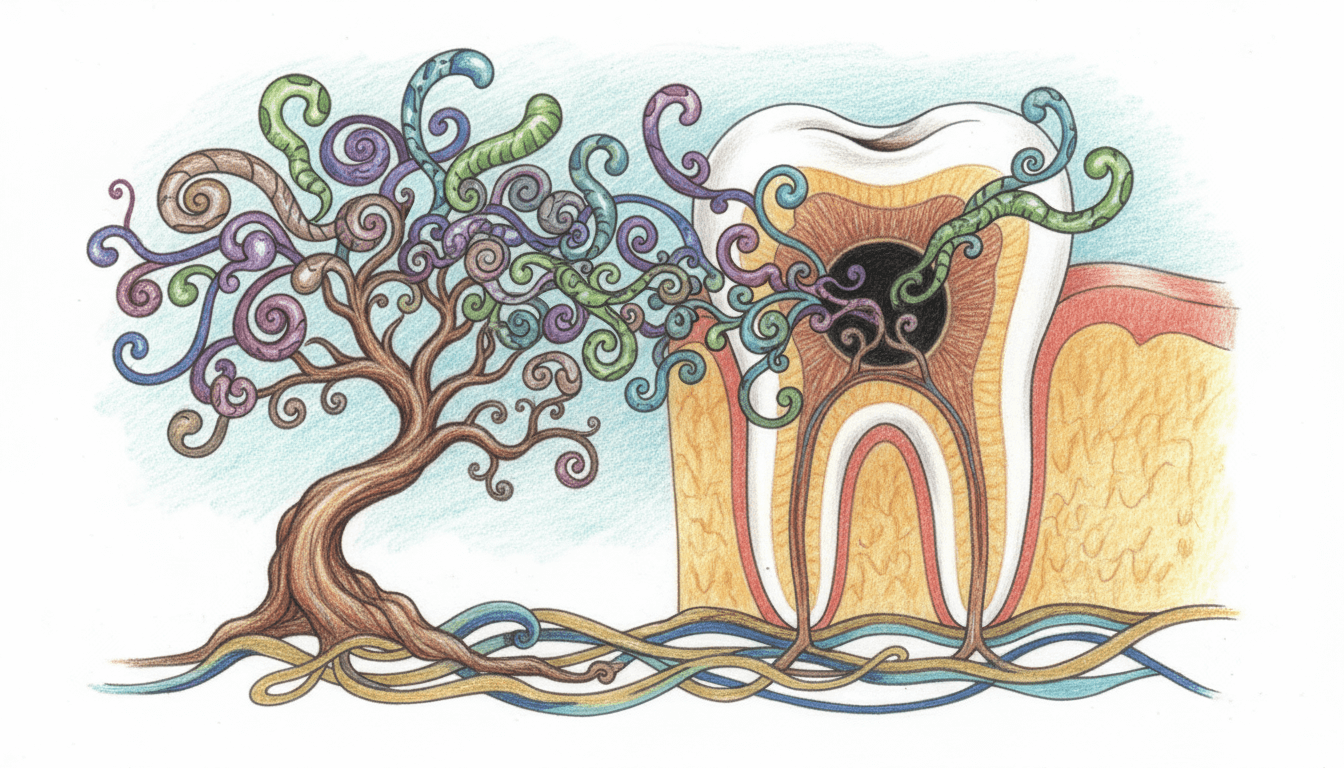
This comprehensive analysis delves into the intricate science of oral bacterial ecology and tooth decay pathogenesis. It provides an exhaustive examination of the immediate recolonization of bacteria post-brushing, the dual-nature role of the salivary pellicle, and the critical importance of consistent, evidence-based oral hygiene interventions. The article expands beyond foundational concepts to include expert commentary, technical comparisons of preventive methodologies, long-term oral health outlooks, and a detailed market analysis of supporting dental care products, positioning it as an essential resource for both consumers and professionals seeking to master decay prevention.
Tooth decay, or dental caries, represents one of the most prevalent chronic diseases globally, yet its prevention is fundamentally rooted in understanding a dynamic and relentless biological process: oral biofilm management. This overview establishes the core paradigm that tooth decay is not a static event but a continuous battle against a rapidly regenerating ecosystem of microorganisms. The process begins the moment oral hygiene procedures, such as brushing, are completed. Contrary to the perception of a 'clean slate,' the oral cavity initiates an immediate and sophisticated recolonization sequence. Saliva, the body's primary oral defense fluid, plays a pivotal and paradoxical role. Within minutes, its proteins and glycoproteins adsorb to the enamel surface, forming a thin, acellular film known as the acquired pellicle. This pellicle is initially protective, serving as a lubricant, a diffusion barrier against acidic attacks, and a reservoir for remineralizing ions like calcium and phosphate. However, this very same layer also functions as a conditioning film, providing specific binding sites for pioneer bacteria, primarily streptococci such as *Streptococcus mutans* and *Streptococcus sanguinis*. These early colonizers adhere, metabolize dietary sugars, and produce extracellular polysaccharides that cement the biofilm structure and facilitate the adherence of a more diverse and pathogenic secondary colonizer population, including lactobacilli and actinomyces. This biofilm, when mature and dominated by acidogenic and aciduric bacteria, creates a low-pH microenvironment at the tooth surface, leading to the demineralization of hydroxyapatite crystals and the initiation of the carious lesion. Therefore, the prevention of tooth decay is not about achieving sterility—an impossible goal—but about consistent, strategic intervention to disrupt this biofilm's growth and pathogenic activity before it reaches a critical mass capable of causing irreversible damage. This article, drawing on foundational data from Consumer Reports and expanded with contemporary research, will exhaustively explore every facet of this process, from the nanoscale interactions at the pellicle interface to the macroscopic outcomes of various public health prevention strategies, providing a whitepaper-level resource for achieving long-term oral health.
Routine Specs
Care Protocols
Twice-Daily Biofilm Disruption Protocol
This foundational SOP mandates a meticulous two-minute brushing session, once in the morning and once before bed, using a fluoride toothpaste containing at least 1000 ppm fluoride. The procedure is not merely about duration but technique. The modified Bass technique is recommended: position the brush at a 45-degree angle to the gumline, using short, gentle vibratory strokes to disrupt the subgingival plaque, followed by a sweep away from the gums. All tooth surfaces—buccal (cheek-side), lingual (tongue-side), and occlusal (chewing surfaces)—must be systematically cleaned. Brushing before bed is non-negotiable, as salivary flow decreases during sleep, reducing the natural clearance and buffering capacity, leaving unchecked biofilm to metabolize fermentable substrates for prolonged periods. The toothpaste must be spat out without excessive rinsing with water to maintain a high concentration of fluoride in the oral cavity, allowing for prolonged topical effect. This protocol directly counters the 'immediate recolonization' by resetting the biofilm clock twice daily, preventing maturation beyond the early, less pathogenic stages. For high-risk individuals, a third brushing session after lunch may be incorporated. The choice of tool is critical: a soft-bristled manual or an oscillating-rotating electric toothbrush with a pressure sensor is specified to ensure effective cleaning without causing gingival recession or abrasion, which can paradoxically increase susceptibility.
Interdental Plaque Evacuation Procedure
Given that a toothbrush accesses only approximately 60% of tooth surfaces, this SOP addresses the critical 40% where interproximal caries often initiates. The procedure must be performed at least once per day, ideally before the evening brush. The choice of tool is based on anatomical compatibility: dental floss (waxed or unwaxed, tape or string) is prescribed for tight contacts, using a fresh segment for each interdental space and curving it into a 'C-shape' against each tooth surface, sliding gently beneath the gumline. For larger embrasure spaces, interdental brushes of appropriate size (ISO 0.6mm to 1.3mm) are mandated, as they provide superior plaque removal compared to floss in these areas. The brush should fit snugly but pass through without force, moving it back and forth 3-4 times per space. For patients with bridges, implants, or orthodontic appliances, specialized tools like floss threaders, super floss, or water flossers (oral irrigators) are incorporated. Water flossers use a pressurized stream of water to disrupt biofilm and flush out debris from subgingival areas and around appliances, and while not a replacement for mechanical contact cleaning, they are a valuable adjunct, particularly for those with dexterity challenges. This procedure is essential because the pellicle forms and bacteria colonize these sheltered areas uninhibited by brushing, creating niches for rapid acid production. Consistent daily disruption is the only method to prevent the establishment of cariogenic biofilms in these high-risk zones.
Dietary Carbohydrate Management and Fluoride Top-Up Protocol
This SOP governs the behavioral and chemical environment that either fuels or inhibits the cariogenic biofilm. The dietary component mandates limiting the frequency, not just the quantity, of fermentable carbohydrate intake (sugars, cooked starches). The protocol instructs consuming sugary foods or drinks only at mealtimes rather than as continuous snacks or sipping throughout the day. This reduces the number of 'acid attacks' on the teeth, allowing the saliva time to neutralize pH and remineralize early lesions (the 'Stephan curve' recovery). After an acidic challenge (food, drink, or vomiting), the protocol dictates waiting at least 30 minutes before brushing to avoid brushing softened enamel. The chemical component involves strategic fluoride top-ups. In addition to fluoride toothpaste, this may include the daily use of an over-the-counter fluoride mouthwash (0.05% NaF daily or 0.2% NaF weekly) at a separate time from brushing, typically after lunch, to provide a midday fluoride boost without washing away the high-concentration toothpaste film. For patients at very high risk, a prescription-strength high-fluoride toothpaste (5000 ppm) may be applied professionally. Chewing xylitol-sweetened gum (with at least 1 gram of xylitol per piece, 2-3 times daily for 5 minutes) is also incorporated as an adjunct; xylitol inhibits the metabolism and adhesion of *S. mutans* and stimulates protective saliva flow. This holistic SOP attacks the problem from both sides: reducing the fuel supply for bacteria while simultaneously enhancing the tooth's chemical defenses, thereby altering the very environment the recolonizing bacteria encounter.
Advantages
- Establishes a Predictable, Science-Based Routine: The strategies outlined create a structured, evidence-based approach to oral care that demystifies decay prevention. By understanding the timeline of bacterial recolonization and the role of the pellicle, individuals can time their interventions for maximum efficacy, transforming hygiene from a vague chore into a targeted biological management practice.
- Highly Effective in Caries Reduction: When adhered to consistently, the multi-modal approach combining mechanical disruption (brushing, interdental cleaning), chemical protection (fluoride), and dietary management has been proven in countless longitudinal studies to reduce the incidence of dental caries by 40-60% or more. It addresses the disease process at multiple points: physically removing the biofilm, making the tooth more resistant to acid, and reducing the acid-producing substrate.
- Promotes Long-Term Oral and Systemic Health: Consistent prevention of tooth decay avoids the need for invasive restorative treatments like fillings, root canals, and crowns, preserving natural tooth structure for a lifetime. This maintains proper chewing function, nutrition, and speech. Furthermore, by controlling oral biofilms, it reduces the systemic inflammatory burden linked to conditions like endocarditis, diabetes complications, and adverse pregnancy outcomes.
- Cost-Effective in the Long Run: The upfront cost of quality tools (electric toothbrush, interdental aids, fluoride toothpaste) and time investment is negligible compared to the financial and physical cost of treating advanced dental decay. Preventive care is the most economically rational approach, saving thousands of dollars over a lifetime by avoiding complex dental procedures.
- Empowers Patient Autonomy: This framework places the primary responsibility and capability for oral health in the hands of the individual. By providing detailed knowledge and clear procedures, it empowers people to take control of their daily health outcomes, leading to increased satisfaction and adherence.
Limitations
- Requires Significant Time Commitment and Adherence: The comprehensive protocol is demanding. Brushing for two minutes twice daily, plus daily interdental cleaning and potentially using mouthwashes, can total 10-15 minutes per day. Long-term adherence is challenging, and lapses can quickly allow the bacterial biofilm to mature and increase caries risk, as the protective effects are not long-lasting.
- Dexterity and Accessibility Challenges: Effective mechanical cleaning requires a certain level of manual dexterity, which can be a barrier for children, the elderly, and individuals with disabilities like arthritis. Interdental cleaning, in particular, can be technically difficult to perform correctly on all teeth, especially in the posterior region. This can lead to incomplete biofilm removal despite good intentions.
- Potential for Over-Brushing Damage: An overzealous approach to mechanical disruption, especially with hard-bristled brushes or abrasive toothpastes, can lead to tooth abrasion (notching at the gumline) and gingival recession. This exposes dentin and cementum, which are more susceptible to decay than enamel, potentially exacerbating the very problem one seeks to prevent.
- Does Not Address All Risk Factors Equally: While excellent for managing the local oral environment, these procedures have limited impact on some systemic risk factors. Genetic predisposition, deeply fissured tooth morphology, and medical conditions affecting saliva (like Sjögren's syndrome or radiation therapy) may require additional, more intensive professional interventions beyond what home care can provide.
- Psychological Burden and Potential for Obsessive Behavior: For some individuals, particularly those with high anxiety about dental health, the knowledge of immediate bacterial recolonization can lead to compulsive over-brushing (brushing 5-6 times a day) or excessive use of antimicrobial mouthwashes. This can disrupt the natural oral microbiome, leading to issues like oral candidiasis (thrush) or mucosal irritation, and does not confer additional caries prevention benefits.