Cultural and Global Perspectives on Oral Hygiene: A Comprehensive Anthropological and Practical Guide
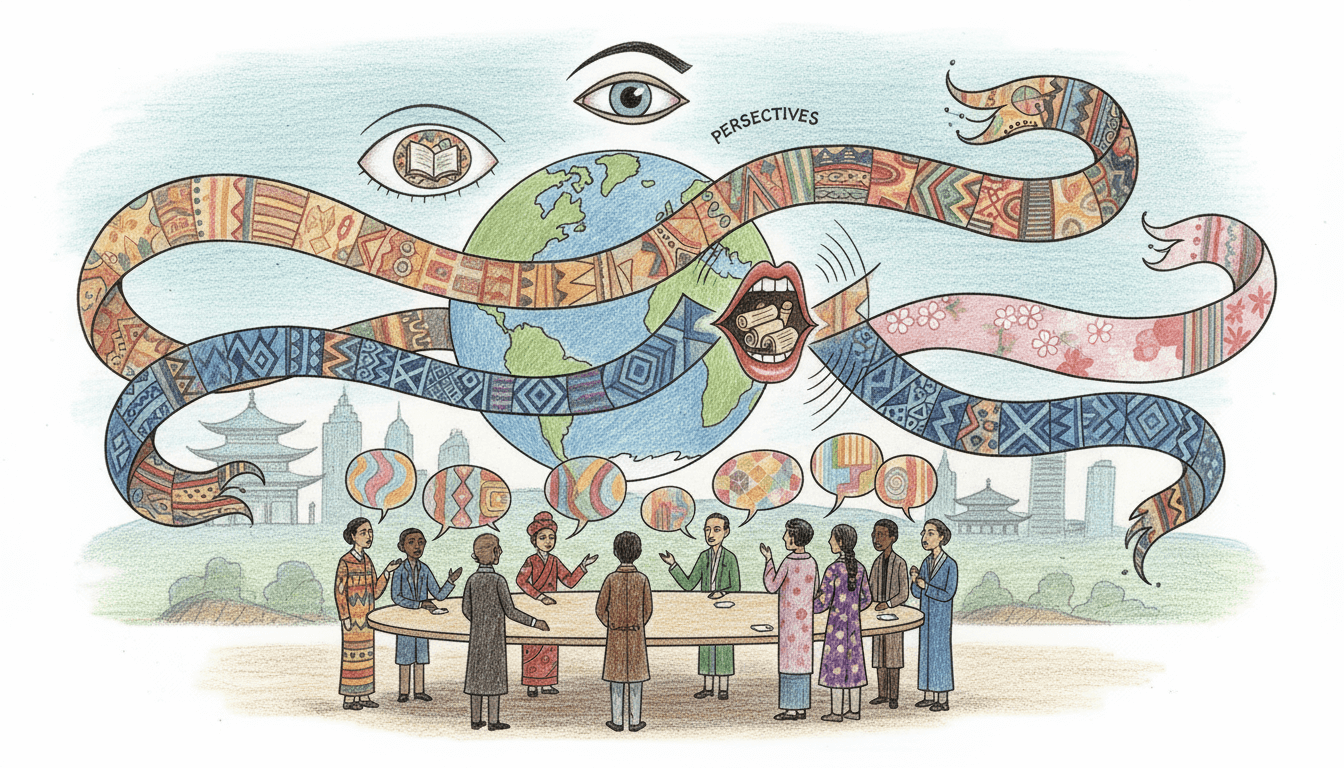
This comprehensive guide delves into the rich tapestry of global oral hygiene practices, exploring how culture, tradition, and geography shape dental care. We examine diverse traditional methods from indigenous communities, analyze global disparities in oral health outcomes, and discuss the importance of culturally sensitive education. The article provides a detailed synthesis of how integrative approaches, combining time-honored wisdom with modern dentistry, can lead to more effective and universally accessible oral wellness strategies for individuals and public health initiatives worldwide.
Oral hygiene is far more than a biological imperative or a modern health recommendation; it is a profound cultural expression deeply embedded in the social fabric and historical traditions of communities worldwide. While the universal goal is a healthy mouth, the paths taken to achieve this are as diverse as humanity itself. This article, informed by insights from the International Oral Health Anthropology Institute, embarks on a comprehensive exploration of these varied paths. We move beyond the standard narrative of brushing and flossing to uncover a world where oral care is intertwined with spirituality, environmental adaptation, social ritual, and ancestral knowledge. From the miswak sticks of the Middle East to the betel quid preparations of Southeast Asia, and from the sophisticated public health systems of Nordic countries to the challenges faced in low-resource settings, oral hygiene presents a unique lens through which to view global health equity, cultural preservation, and medical pluralism. Understanding these perspectives is not merely an academic exercise; it is crucial for developing effective, respectful, and inclusive dental public health strategies, for fostering global collaboration, and for empowering individuals to make informed choices that may blend the best of traditional wisdom with contemporary science. This deep dive aims to provide that understanding, offering a panoramic view of what it means to care for one's mouth across the globe.
The Cultural Tapestry of Dental Care: Beyond the Toothbrush
The concept of dental care is not monolithic but is instead a vibrant mosaic shaped by centuries of cultural evolution, environmental resources, and philosophical beliefs about the body and wellness. In many Western societies, oral hygiene has been largely medicalized and commercialized, centered around manufactured products like toothbrushes, fluoride toothpaste, and dental floss, with routines often driven by aesthetic ideals of a bright, straight smile. However, this represents only one thread in a much larger tapestry. In numerous cultures, oral care is a holistic practice connected to overall systemic health. Traditional Chinese Medicine (TCM), for instance, views the teeth and gums as intimately linked to the health of the kidneys and stomach, with specific herbal concoctions and acupuncture points used to treat dental issues believed to stem from internal imbalances. Similarly, in Ayurveda, the ancient Indian system of medicine, oral hygiene is a cornerstone of daily routine (Dinacharya), involving tongue scraping, oil pulling with sesame or coconut oil, and chewing on specific bitter twigs like neem, which are believed to remove toxins (ama) and balance the doshas. In the Islamic world, the use of the miswak (Salvadora persica twig) is not only a highly effective mechanical and chemical cleaning agent, due to its natural antibacterial compounds like trimethylamine and salvadorine, but also a Sunnah—a practice of the Prophet Muhammad—imbuing the act with spiritual significance and ritual purity. Across sub-Saharan Africa, communities have long used chewing sticks from trees like Garcinia kola (bitter kola) or lime tree branches, selected for their astringent and antimicrobial properties. These practices are often communal knowledge passed down through generations, emphasizing prevention and a symbiotic relationship with local flora. This cultural diversity in approach challenges the assumption of a single 'best' method and highlights how oral care is adapted to local ecosystems, belief systems, and social structures, forming an integral part of cultural identity and daily life far removed from the commercial dental aisle.
Traditional Oral Hygiene Methods: Ancient Wisdom and Modern Validation
Delving deeper into specific traditional oral hygiene methods reveals a treasure trove of empirical knowledge that is increasingly gaining validation through modern scientific inquiry. Take the practice of oil pulling, which involves swishing a tablespoon of oil (typically sesame, coconut, or sunflower) in the mouth for 15-20 minutes. Long ridiculed by mainstream dentistry as folk remedy, recent studies have shown it can significantly reduce the count of Streptococcus mutans, a primary bacterium responsible for tooth decay, in saliva and plaque. The proposed mechanism is the lipophilic action of the oil, which 'pulls' and traps bacteria, and for coconut oil, the additional antibacterial action of lauric acid. Similarly, the miswak stick has been the subject of extensive research. The World Health Organization has endorsed its use, and studies comparing it to the toothbrush often find it equally or more effective at reducing plaque and gingivitis, thanks to a complex cocktail of natural fluorides, silica (an abrasive), tannins, and essential oils. Neem (Azadirachta indica), used across the Indian subcontinent, contains nimbidin and azadirachtin, compounds with potent anti-inflammatory and antibacterial properties, making neem twigs and extracts effective against periodontal pathogens. In Southeast Asia, the betel quid—a preparation of betel leaf, areca nut, slaked lime, and often tobacco—presents a more complex case. While culturally significant for social ceremonies and believed to aid digestion and freshen breath, its widespread use is a major public health crisis due to the high risk of oral submucous fibrosis and oral cancer from the areca nut alkaloids. This dichotomy underscores a critical lesson: not all traditional practices are inherently beneficial, and their evaluation requires nuanced, evidence-based analysis. Other methods, like the use of certain clays or charcoal for polishing teeth, or specific dietary prescriptions to strengthen teeth, speak to a deep observational understanding of oral ecology. These traditions were not developed in a vacuum; they are the result of millennia of trial, error, and observation, offering valuable insights into low-cost, accessible preventive care that modern global health initiatives can learn from, adapt, and where safe, integrate.
Mapping Global Oral Health Disparities: A Tale of Inequity
The state of oral health across the globe paints a stark picture of inequality, deeply influenced by socioeconomic factors, access to care, public policy, and dietary transitions. According to the Global Burden of Disease Study, untreated dental caries (tooth decay) in permanent teeth is the most common health condition worldwide, affecting over 2 billion people, with severe periodontitis (gum disease) affecting nearly 1 billion. However, the distribution of this burden is profoundly uneven. High-income countries, with established water fluoridation programs, widespread access to preventive dental care, and strong public health education, generally report lower prevalence of severe oral diseases among their populations, though significant disparities often exist within these countries along socioeconomic lines. In contrast, low- and middle-income countries (LMICs) bear a disproportionate share of the burden. The challenges are multifactorial: a severe shortage of dental professionals (in some regions, a ratio of one dentist to hundreds of thousands of people), limited financial resources for both public health infrastructure and individual care, the lack of fluoridated water, and the increasing consumption of sugary foods and beverages driven by globalization and aggressive marketing. Furthermore, in many LMICs, oral health is not integrated into primary healthcare systems and is often seen as a cosmetic luxury rather than a medical necessity, leading to neglect until problems become acute, painful, and costly to treat. The consequences extend far beyond pain. Oral diseases can lead to school and work absenteeism, reduced quality of life, nutritional deficiencies (due to inability to chew), and in severe cases, life-threatening systemic infections. They also represent a significant economic burden. This global disparity is not merely a matter of healthcare access but is fundamentally linked to the social determinants of health: poverty, education, and the availability of healthy food and clean water. Addressing these disparities requires moving beyond simply exporting Western models of dental care and instead fostering capacity building, training mid-level dental providers (like dental therapists), implementing affordable community-based preventive programs, and advocating for policies that tackle the upstream commercial determinants of health, such as sugar taxation and regulation of unhealthy food marketing.
Cross-Cultural Dental Health Education: Strategies for Effective Communication
Promoting effective oral health education in a globally connected yet culturally diverse world requires moving beyond a one-size-fits-all translation of Western dental brochures. Culturally sensitive dental health education is an anthropological and communicative endeavor that respects local beliefs, leverages existing knowledge systems, and employs culturally resonant messengers and metaphors. A strategy that works in a urban school in Canada may fail completely in a rural village in Cambodia. Effective programs begin with community engagement and participatory research to understand local perceptions of oral health, disease etiology (e.g., whether tooth decay is seen as caused by 'worms,' an imbalance, or bacteria), and the perceived value of different interventions. For instance, in a community that highly values social harmony and collective well-being, framing oral health as a way to remain a productive, pain-free member of the community for longer may be more effective than emphasizing individualistic cosmetic benefits. Education materials must be developed in local languages and use imagery, stories, and analogies that are familiar. Training community health workers, religious leaders, or traditional healers as oral health promoters can bridge the credibility gap that an outside dental professional might face. Furthermore, education must be pragmatic and context-aware. Recommending twice-daily brushing with a fluoride toothpaste is meaningless if toothpaste is unaffordable or unavailable. In such settings, education might focus on optimizing the use of effective local alternatives like properly prepared chewing sticks, or on dietary advice that is feasible within local food systems. Successful examples include programs in some Native American communities that have integrated storytelling about traditional foods and their benefits for strong teeth, or initiatives in parts of Africa that have trained local women's groups to produce and distribute low-cost, effective toothpaste using locally available ingredients like diatomaceous earth and neem extract. The goal is not to replace cultural practices outright but to engage in a dialogue where evidence-based recommendations can be woven into the existing cultural fabric, creating hybrid knowledge that is both scientifically sound and culturally sustainable.
Integrative Approaches to Oral Wellness: Synergy Between Tradition and Technology
The future of global oral health lies not in a pitched battle between traditional and modern dentistry, but in their thoughtful, evidence-based integration. Integrative oral wellness seeks to create a synergistic model that combines the preventive, holistic, and often low-cost wisdom of traditional practices with the diagnostic precision, restorative capabilities, and advanced materials of modern dental science. In a clinical setting, this might look like a dentist who, after completing a standard examination and placing a composite filling, discusses with a patient the potential benefits of adjunctive oil pulling for reducing overall oral inflammation or recommends a neem-based mouthwash as part of a home care regimen for gingivitis. On a public health scale, it involves designing community programs that promote the use of scientifically validated traditional tools like miswak alongside targeted fluoride varnish applications in schools. It also means researching and standardizing traditional herbal formulations to ensure their safety, efficacy, and consistent quality, potentially leading to new classes of natural oral care products. For the individual consumer, an integrative approach empowers choice. One might use an electric toothbrush with fluoride toothpaste in the morning for its proven efficacy against decay, and employ a miswak or herbal rinse in the evening, appreciating its natural origins and cultural significance. This model also encourages a broader view of oral health that includes diet, stress management, and the oral-systemic connection—areas where many traditional systems have long focused. Challenges to integration include overcoming professional skepticism, ensuring the safety and purity of traditional remedies (avoiding contamination or adulteration), and navigating intellectual property rights related to traditional knowledge. However, the potential benefits are immense: more culturally acceptable and thus more adhered-to preventive routines, expanded toolkits for oral care especially in resource-poor settings, and a more holistic, patient-centered model of dental care that addresses the whole person within their cultural context. This integrative philosophy aligns perfectly with the growing global movement towards personalized and holistic medicine.
The Role of Industry and Policy in Shaping Global Oral Health Outcomes
The landscape of global oral health is powerfully shaped by forces beyond the dental chair: namely, industry practices and public policy. The multinational food and beverage industry plays a colossal role through the mass production, marketing, and distribution of ultra-processed foods and sugars, which are primary drivers of the global caries epidemic. In many LMICs, the aggressive marketing of sugary snacks and drinks to children often outpaces public health messaging, creating formidable headwinds for oral disease prevention. Conversely, the oral care industry, dominated by a few large corporations, influences norms through advertising that often promotes a narrow, aesthetics-focused ideal of oral health and can marginalize effective, low-cost alternatives. Policy interventions are critical counterweights. Successful examples include sugar-sweetened beverage (SSB) taxes, implemented in over 50 countries and jurisdictions, which have been shown to reduce consumption and generate revenue that can be earmarked for health programs. Regulations restricting the marketing of unhealthy foods to children, mandatory front-of-package warning labels (like those in Chile), and school nutrition standards are other powerful policy tools. On the care access side, policies that integrate oral health into universal health coverage (UHC) schemes, subsidize preventive care for children, and support the training and deployment of mid-level dental providers are essential for reducing disparities. International bodies like the WHO, through its Global Oral Health Action Plan, provide frameworks and targets to guide national policies. Furthermore, trade policies that affect the affordability of both healthy foods (like fruits and vegetables) and essential oral health supplies (like fluoride toothpaste) also have a significant impact. A comprehensive approach to global oral health, therefore, must engage with these macro-level determinants. It requires advocacy for policies that create healthier food environments, ensure equitable access to care, and regulate industry practices that harm public health. It also calls for corporate social responsibility from both the food and oral care industries to support, rather than undermine, public health goals. Without this systemic policy and regulatory engagement, even the best clinical techniques and educational programs will struggle against a tide of preventable disease.
Key Takeaways
FAQs
Is using a miswak stick as effective as a modern toothbrush?
Numerous studies, including systematic reviews, have concluded that the miswak (siwak) is at least as effective as, and in some studies more effective than, the standard toothbrush at reducing plaque and gingivitis. Its effectiveness comes from both its mechanical action as a chewing stick and its natural chemical composition, which includes antibacterial compounds, fluoride, and silica. Proper technique is important, involving chewing one end to separate the fibers and then using it to brush all tooth surfaces.
What are the risks of traditional oral hygiene practices?
Risks vary by practice. Generally, mechanical methods like chewing sticks can cause gum abrasion if used too aggressively. The primary risk with botanical practices is the lack of standardization and potential for contamination. The most significant risk is associated with practices like betel quid chewing, which contains areca nut, a known group 1 carcinogen strongly linked to oral cancer and submucous fibrosis. Always research the evidence base for any practice and consult with a dental professional, especially if you have existing oral health conditions.
How can I incorporate traditional practices into my modern routine?
Think complementarity, not replacement. You can maintain your core routine of brushing twice daily with fluoride toothpaste and flossing. You might then add a traditional practice as an adjunct. For example, you could use an antiseptic herbal mouthwash (like one with neem or clove) in the evening, or practice oil pulling a few times a week before brushing in the morning. Always discuss new additions with your dentist to ensure they are appropriate for your specific oral health status.
Why do some cultures have better oral health without access to modern dentistry?
Historically, many cultures maintained good oral health due to factors largely absent from modern industrialized diets: very low consumption of refined sugars and processed carbohydrates, diets high in fibrous foods that have a natural cleansing action, and the use of natural antimicrobial agents (like certain herbs and chewing sticks). As these cultures undergo nutritional transition and adopt Western-style diets high in sugars, rates of tooth decay and gum disease often rise dramatically, even if traditional hygiene practices are maintained.
What is the single biggest global challenge to oral health today?
The overwhelming consensus among global health experts is the pervasive and increasing consumption of free sugars, driven by the globalized food industry. This is the primary driver of the dental caries epidemic worldwide. It creates a disease burden that even the most advanced dental care systems struggle to treat curatively, making population-wide preventive strategies—like sugar reduction policies, public education, and fluoride access—absolutely paramount.
Can oil pulling replace brushing and flossing?
No, oil pulling should not replace mechanical plaque removal. While studies show it can reduce the bacterial load in saliva and has anti-inflammatory benefits, it does not physically remove established plaque biofilm from tooth surfaces, especially between teeth. It is best considered a supplementary therapy that may improve overall oral ecology, used in addition to, not instead of, brushing with fluoride toothpaste and interdental cleaning.
How are dentists trained to handle patients from diverse cultural backgrounds?
Formal training in cultural competency is becoming more common in dental curricula but is still not universal. It involves teaching future dentists to communicate effectively across cultures, understand different health belief models, avoid stereotypes, and adapt treatment plans to be respectful of a patient's values and traditions. Many practitioners also gain this skill through continuing education and lived experience in diverse communities. Patients should feel empowered to discuss their cultural practices openly with their dentist.
What role does water fluoridation play in a global context?
Community water fluoridation is hailed as one of the top public health achievements of the 20th century for its role in dramatically reducing tooth decay. However, its global implementation is uneven. It is widespread in the US, Brazil, and Australia, but less common in Europe, where alternative strategies like fluoridated salt or milk are sometimes used. In many LMICs, implementing large-scale water fluoridation is logistically and financially challenging, making alternative fluoride delivery systems (like school-based varnish programs or affordable fluoridated toothpaste) critical focal points for public health efforts.
Guide Conclusion
Exploring oral hygiene through cultural and global perspectives transforms it from a mundane daily task into a fascinating window into human adaptation, ingenuity, and inequality. This journey reveals that there is no single path to a healthy mouth, but rather a multitude of paths shaped by history, environment, and belief. The key lesson is one of humility and synergy. Modern dentistry offers unparalleled tools for diagnosis, restoration, and cure, while traditional systems offer profound wisdom in prevention, holistic care, and sustainable practice. The future of global oral wellness depends on our ability to foster dialogue between these worlds—to validate what works, respectfully discourage what harms, and innovate integrative solutions that are both scientifically sound and culturally resonant. For the individual, this knowledge empowers more informed, personalized choices. For the profession and policymakers, it provides a blueprint for more equitable, effective, and compassionate oral health strategies that can truly reach every corner of our diverse world. By embracing this pluralistic view, we move closer to the ultimate goal: a world where everyone, regardless of birthplace or background, can enjoy the fundamental right to oral health.