Digital Dental Care and Technology: A Comprehensive Guide to the Future of Oral Health
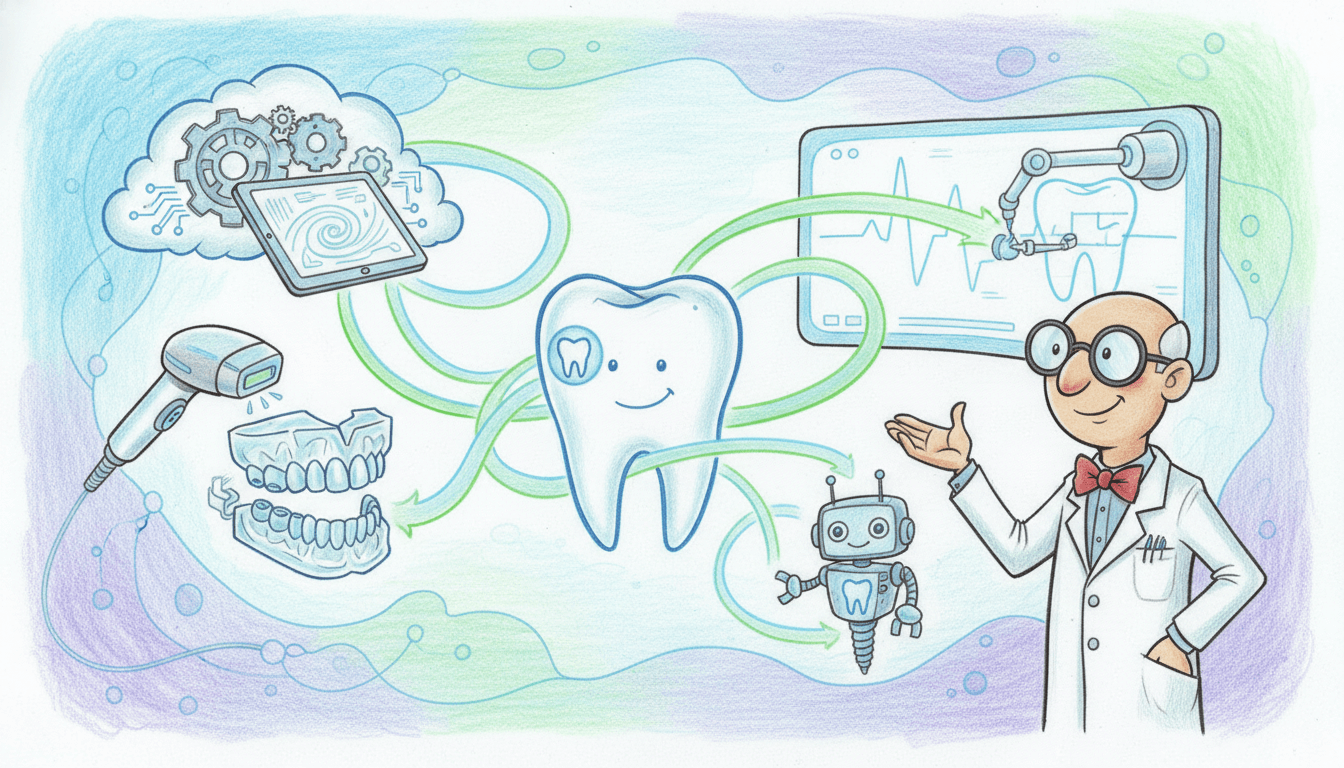
This in-depth guide explores the transformative impact of digital technologies on modern dentistry. We examine cutting-edge diagnostic tools like digital X-rays, advanced treatment planning methodologies, and technology-enhanced monitoring systems that provide unprecedented insights into oral health. The article details how these innovations facilitate more precise, personalized, and preventive care strategies, fundamentally shifting dental practice from reactive treatment to proactive health management. Drawing on expert commentary and technical data, we analyze the benefits, implementation complexities, and long-term outlook for a digitally integrated oral healthcare ecosystem.
The landscape of dental care is undergoing a profound digital revolution, moving decisively away from analog impressions and reactive procedures towards a data-driven, preventive, and highly personalized model. As highlighted by the University of Illinois Chicago Dentistry, this shift is powered by an array of cutting-edge technologies designed to enhance diagnostic precision, streamline treatment workflows, and empower both practitioners and patients with comprehensive health insights. Digital dental care is no longer a futuristic concept but a present-day reality that is redefining standards of care, improving clinical outcomes, and fostering a more collaborative patient-dentist relationship. This transformation encompasses everything from the moment a patient enters the clinic—where digital sensors capture detailed intraoral images—to long-term home care, where smart toothbrushes and apps provide continuous monitoring. The core promise of this technological integration is a move from episodic, problem-focused dentistry to continuous, health-focused management. This article serves as a detailed exploration of this paradigm shift. We will dissect the key technological pillars, including digital radiography, advanced diagnostic software, computer-aided design and manufacturing (CAD/CAM), and remote monitoring tools. We will delve into how these tools coalesce to form comprehensive treatment plans, address the inherent complexities of implementing such technology, and examine the long-term implications for oral health equity, cost, and practice management. The goal is to provide a holistic understanding of how digital tools are not merely replacing older methods but are creating entirely new capabilities and pathways for maintaining optimal oral health throughout a patient's lifetime.
The Foundation: Digital X-Ray Technologies and Enhanced Diagnostic Precision
Digital radiography represents the cornerstone of modern diagnostic dentistry, having largely superseded traditional film-based X-rays. The shift is driven by the fundamental benefit of 'Precise diagnostic capabilities,' as noted in the technical data. But this precision is multifaceted. Digital sensors, whether CCD (Charge-Coupled Device) or CMOS (Complementary Metal-Oxide-Semiconductor), capture radiographic images with superior contrast resolution. This allows dentists to detect pathologies like incipient caries (cavities), periapical infections, and early bone loss associated with periodontal disease at stages far earlier than film radiography permitted. The image is available instantly on a chairside monitor, eliminating chemical processing time and potential errors. This immediacy facilitates real-time patient education, as the dentist can point out areas of concern, making the diagnosis a collaborative visual exercise rather than an abstract explanation. Furthermore, digital systems expose patients to significantly less radiation—often up to 80-90% less than conventional D-speed film. This reduced dose is a critical advancement for pediatric dentistry and for patients requiring frequent radiographic monitoring. Beyond the hardware, software plays a pivotal role. Tools like digital subtraction radiography allow for the precise comparison of sequential X-rays, highlighting minute changes in bone density or lesion size that the human eye might miss. Image enhancement features enable dentists to adjust contrast, brightness, and apply filters to isolate specific structures, such as the lamina dura or the periodontal ligament space. Cone Beam Computed Tomography (CBCT), a specialized form of digital imaging, provides three-dimensional volumetric data, revolutionizing planning for dental implants, orthodontics, endodontics (root canals), and oral surgery. It allows for the assessment of bone quality, nerve canal location, and sinus anatomy with sub-millimeter accuracy, virtually eliminating surgical surprises. The integration of these digital images into a patient's electronic health record (EHR) creates a permanent, easily accessible timeline of their oral health, forming the bedrock for all subsequent advanced diagnostic and planning procedures.
Beyond Imaging: Advanced Diagnostic Procedures and Comprehensive Evaluation
While digital X-rays provide a structural view, advanced diagnostic procedures leverage a suite of other technologies to assess the functional and biological state of the oral cavity, fulfilling the 'comprehensive exam components' of a full mouth evaluation and cancer screening. Intraoral scanners are a prime example, using optical technology to create highly accurate 3D digital models of a patient's teeth and soft tissues. These models replace messy, uncomfortable physical impressions and serve as the digital foundation for treatment planning, orthodontic aligner fabrication, crown design, and night guard production. They also enable virtual 'before-and-after' simulations, setting clear visual treatment goals. For periodontal (gum) health, tools like periodontal probes connected to computers provide standardized, charted readings of pocket depths and bleeding points, creating objective baselines for monitoring disease progression or stability. Laser fluorescence devices, such as DIAGNOdent, can detect hidden occlusal and interproximal decay by measuring the fluorescence of bacterial byproducts in tooth structure, identifying cavities long before they are visible on an X-ray or to the naked eye. Oral cancer screening has been augmented by tissue reflectance devices like VELscope, which uses blue light to highlight abnormal cellular changes in the mucosal tissues that may be invisible under white light, prompting earlier and more targeted biopsies. Salivary diagnostics represent a frontier in this domain, with tests being developed to detect biomarkers for periodontal disease, caries risk, and even systemic conditions like diabetes from a simple saliva sample. This moves diagnostics from a purely anatomical assessment to a biochemical one. Furthermore, digital occlusal analysis systems use ultra-thin sensors and software to record and analyze a patient's bite in real-time, identifying premature contacts and interferences that can lead to TMJ disorders, tooth wear, and restorative failures. Together, these tools transform a routine check-up from a visual inspection into a multi-modal data capture session, generating a rich, quantitative dataset that paints a complete picture of a patient's oral health status and risk profile.
Synthesizing Data: The Art and Science of Comprehensive Digital Treatment Planning
The true power of digital diagnostics is realized in the synthesis phase: comprehensive digital treatment planning. This process integrates data from X-rays, 3D scans, photographs, and diagnostic records into a unified digital platform. The 'treatment plan complexity' noted in the technical data, which 'May require multiple visits,' is often managed and communicated more effectively through these digital tools. Using specialized software, a dentist can virtually plan complex restorative cases, orthodontic tooth movements, or implant placements with millimeter precision before any intervention begins. For example, in implant dentistry, the CBCT scan and intraoral scan are merged to create a virtual patient. The surgeon can then select the ideal implant size, brand, and trajectory, avoiding critical structures like nerves and sinuses. This virtual plan is often used to 3D-print a surgical guide, which is placed in the patient's mouth to direct the drill during surgery, ensuring the implant is placed exactly as planned. This translates to less invasive surgery, faster healing, and more predictable outcomes. In orthodontics, digital models allow for the fully digital design of clear aligner treatment sequences, predicting tooth movements and final results. For complex full-mouth rehabilitations, digital smile design (DSD) software allows the dentist and patient to collaboratively design the desired aesthetic outcome using digital photographs and videos, setting clear expectations. The planning software can also simulate functional aspects, checking for occlusal interferences in proposed restorations. This comprehensive approach mitigates risk, improves predictability, and enhances patient understanding and buy-in. The plan becomes a living document that can be adjusted as treatment progresses, with new scans updating the model. It also facilitates interdisciplinary collaboration; a periodontist, orthodontist, and prosthodontist can all access and comment on the same digital file, ensuring a coordinated approach. While the initial planning phase is intensive, it ultimately streamlines the clinical execution, reduces chair time, and minimizes the need for corrective adjustments, addressing the complexity by front-loading the intellectual work.
Continuous Care: Technology-Enhanced Oral Health Monitoring and Teledentistry
The digital dental journey extends far beyond the clinic walls through technology-enhanced oral health monitoring. This represents a paradigm shift from episodic care to continuous health management. At the consumer level, smart electric toothbrushes with motion sensors and Bluetooth connectivity provide users with real-time feedback on brushing duration, coverage, and pressure via smartphone apps. These apps can turn daily hygiene into a guided, gamified experience, promoting better habits. Some advanced models even use AI to identify brushing zones in the mouth. Furthermore, interdental cleaners and water flossers are now available with connectivity features. For patients with specific conditions like periodontal disease or high caries risk, more sophisticated monitoring tools are emerging. Intraoral cameras that patients can use at home allow for the remote monitoring of healing sites, orthodontic progress, or the fit of appliances. Teledentistry platforms have matured significantly, enabling secure video consultations for triage, post-operative check-ins, and preventive counseling. A patient can upload photos of a concern, and a dentist can provide guidance on whether an urgent visit is needed. This improves access to care, especially in rural or underserved areas. On the professional side, practice management software with integrated patient portals allows for automated recall reminders, personalized home care instructions, and the tracking of key health metrics over time. For patients undergoing orthodontic treatment with clear aligners, companion apps often include a scanning feature to allow the orthodontist to monitor progress remotely and authorize the move to the next set of aligners without an in-person visit. The long-term vision is the integration of this continuous data stream from home devices with the professional diagnostic data in the patient's EHR. Artificial intelligence algorithms could then analyze this combined dataset to identify early signs of deterioration—like a change in brushing patterns that might indicate gum tenderness—and alert both the patient and the dental team, prompting a timely, preventive intervention rather than waiting for a problem to escalate into pain or damage.
The Ultimate Goal: Crafting and Delivering Personalized Dental Care Strategies
The culmination of digital data collection, advanced diagnostics, and continuous monitoring is the ability to execute a 'personalized care approach' that is 'Tailored to individual health needs,' as specified in the technical data. Personalized dentistry moves beyond one-size-fits-all recall schedules and generic hygiene advice. It uses the compiled digital health profile—including genetic caries/periodontal risk assessments (where available), salivary diagnostics, microbiological testing, and behavioral data from smart devices—to create a uniquely tailored preventive and treatment plan. For instance, a patient identified via genetic test as having a high inflammatory response to periodontal bacteria might be placed on a more aggressive preventive protocol with more frequent professional cleanings and specific antimicrobial rinses, even if their current clinical presentation is mild. Another patient with a high count of acid-producing bacteria, as shown by a salivary test, might receive dietary counseling, high-concentration fluoride prescriptions, and recommendations for pH-neutralizing products. Digital workflows enable the physical personalization of treatments as well. CAD/CAM technology allows for the in-office or lab-based design and milling of crowns, veneers, and bridges that are not just sized correctly but are also designed with ideal occlusion and aesthetics for that specific patient's facial characteristics and jaw movements, informed by digital smile design and occlusal analysis data. In preventive care, 3D printing can create perfectly fitted night guards or fluoride trays. The treatment plan itself becomes a dynamic, living strategy. As new monitoring data comes in—for example, a teledentistry check-up shows excellent healing, or a smart brush data trend shows declining compliance—the plan can be adjusted in real-time. This level of personalization improves treatment outcomes, increases patient adherence (because the plan feels specifically *for them*), and optimizes the allocation of clinical resources by focusing intensive care on those who need it most, while providing cost-effective maintenance for those at lower risk.
Expert Commentary: Navigating the Implementation and Ethical Landscape
Industry experts emphasize that while the technological potential is staggering, successful integration requires careful navigation of practical and ethical challenges. Dr. Elena Rodriguez, a prosthodontist and digital dentistry consultant, notes, 'The biggest hurdle isn't purchasing the equipment; it's the cultural shift within the practice. It demands re-engineering entire workflows, from front desk to lab communication, and requires continuous staff training. The return on investment is clear in terms of precision and patient satisfaction, but it's a long-term play.' She highlights that the 'treatment plan complexity' often stems from the depth of analysis now possible, not from the technology itself being cumbersome. On the ethical front, experts like bioethicist Dr. Marcus Thorne point to critical issues surrounding data privacy and equity. 'The digital dental record is incredibly rich, containing precise biometric data. Practices must have robust cybersecurity measures that exceed basic HIPAA compliance to protect against breaches. Furthermore, there's a risk that these advanced technologies could exacerbate healthcare disparities if they remain accessible only in affluent urban practices, creating a two-tiered system of care.' He advocates for policy work to ensure teledentistry is reimbursed by insurers and for the development of more cost-effective versions of diagnostic tools. From a clinical research perspective, Dr. Aris Kim at a dental research institute comments on the long-term outlook: 'We are moving towards predictive analytics. AI models trained on millions of anonymized digital records will one day be able to predict an individual's likelihood of developing peri-implantitis, the optimal timing for orthodontic intervention, or the lifespan of a particular restoration based on material, design, and the patient's oral environment. This will make dentistry truly predictive and preventive.' However, all experts agree that technology should augment, not replace, the clinician's judgment and the dentist-patient relationship. The human element of trust, empathy, and clinical experience remains irreplaceable, with digital tools serving to inform and enhance that core interaction.
Key Takeaways
FAQs
Are digital dental X-rays really safer than traditional film X-rays?
Yes, significantly so. Digital X-ray sensors are far more sensitive to radiation than photographic film. This allows them to capture a high-quality diagnostic image using up to 90% less radiation exposure for the patient. This reduced dose is particularly beneficial for children, pregnant patients, and individuals who require frequent radiographic monitoring, such as those undergoing orthodontic treatment or managing periodontal disease.
What is the main advantage of an intraoral scanner over traditional putty impressions?
Intraoral scanners offer multiple key advantages. For the patient, they eliminate the discomfort, gag reflex, and bad taste associated with traditional impression materials. The process is faster and more pleasant. For the dentist, it provides an immediate, perfect digital model that can be viewed, manipulated, and used for planning instantly. This model can be electronically sent to a lab anywhere in the world, reducing turnaround times and physical shipping costs. It also allows for easy storage and retrieval for future treatment comparisons.
How does teledentistry work, and what can it be used for?
Teledentistry uses secure video conferencing and image-sharing platforms to provide dental consultations remotely. It is excellent for triage (e.g., 'Is this toothache an emergency?'), post-operative check-ups to monitor healing, minor consultations about oral sores or appliance fit, and preventive education. It can save patients travel time and expand access to care in areas with few dental providers. However, it does not replace hands-on procedures like cleanings, fillings, or exams that require physical tools and tactile assessment.
Will AI eventually replace my dentist?
No. Artificial intelligence is a powerful tool that will augment, not replace, dentists. AI can excel at analyzing large datasets to identify patterns—like spotting early decay on an X-ray or predicting treatment outcomes—much faster than a human. However, it lacks clinical judgment, empathy, and the ability to perform complex manual procedures. The future dentist will use AI as a diagnostic assistant and predictive tool, freeing up more time for patient interaction, complex decision-making, and performing skilled clinical work that machines cannot do.
Is personalized dental care more expensive?
Initially, the diagnostic tests that inform personalized care (like genetic risk assessments or advanced salivary diagnostics) may have an upfront cost. However, in the long term, personalized care is designed to be cost-effective. By identifying your specific risks, your dental team can focus preventive efforts precisely where they are needed, potentially avoiding costly and complex procedures down the line. For example, preventing a single root canal or dental implant through targeted early intervention represents significant savings, both financially and in terms of oral health.
What should I look for in a 'digital' dental practice?
Look for practices that actively use and integrate technology into their workflow, not just own it. Key indicators include: digital X-rays displayed on chairside monitors, the use of intraoral scanners instead of putty impressions, the ability to show you 3D models or treatment simulations, and a robust online patient portal for communication and records. Don't hesitate to ask during a consultation about the technologies they use and how it benefits your care specifically.
How is my digital dental data protected?
Reputable dental practices are bound by HIPAA (Health Insurance Portability and Accountability Act) regulations in the U.S., which set standards for protecting sensitive patient data. In a digital context, this means they should use encrypted software for storing records and images, secure methods for transmitting data to labs, and have strong cybersecurity measures (like firewalls and secure passwords) for their practice network. You have the right to ask about their data security policies.
Can I use data from my smart toothbrush with my dentist?
Increasingly, yes. Many dental practices are exploring how to integrate patient-generated health data. Some smart toothbrush apps allow you to share reports or summaries with your dental team. This data can give your hygienist or dentist insights into your brushing habits, helping them provide more tailored coaching. While not yet a universal standard, it's a growing area of collaboration in personalized preventive care.
Guide Conclusion
The integration of digital technology into dental care represents one of the most significant advancements in the field's history. As we have explored, it transcends mere gadgetry, enabling a fundamental shift towards precision diagnostics, personalized treatment, and proactive, continuous health management. From the foundational safety and clarity of digital X-rays to the collaborative power of virtual treatment planning and the empowering nature of at-home monitoring tools, these innovations place the patient at the center of a more informed, efficient, and effective care journey. While challenges related to cost, access, and implementation remain, the trajectory is clear. The future of oral health is digital, data-informed, and deeply personalized. By embracing these technologies, dental professionals can deliver superior outcomes, and patients can gain unprecedented insight and control over their oral health, ultimately leading to healthier smiles that last a lifetime. The journey from reactive repair to predictive wellness is well underway, powered by the digital tools that are reshaping every aspect of the dental experience.