Nutrition and Oral Health Strategies: A Comprehensive Guide to Dietary Impacts on Dental Wellness
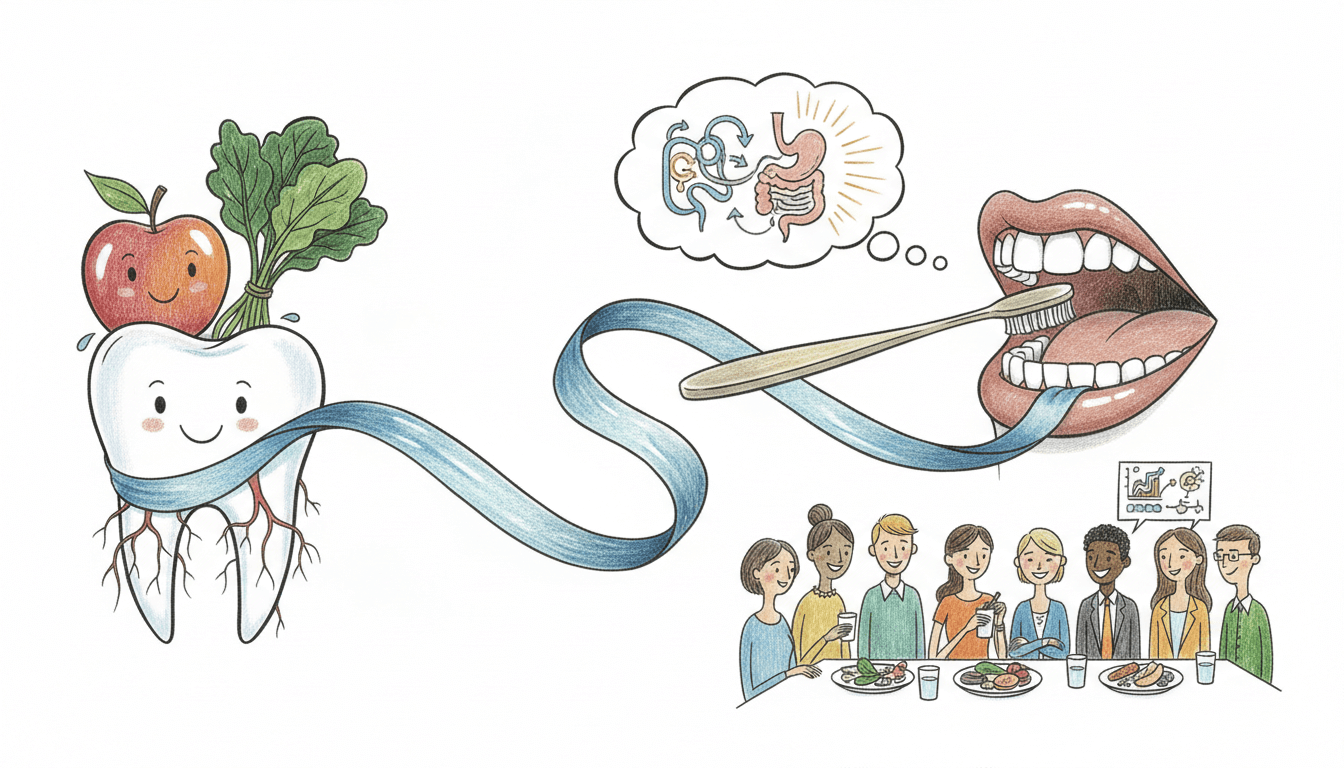
This in-depth analysis explores the profound connection between dietary choices and oral health, moving beyond basic hygiene to examine how nutrition directly influences oral bacteria, enamel integrity, and gum health. Drawing on expert insights from the University of Illinois Chicago Dentistry, the guide provides a detailed examination of harmful and beneficial foods, the biochemical interactions that lead to decay, and actionable, long-term strategies for a tooth-friendly diet. It offers a holistic framework for understanding how daily nutritional decisions are foundational to preventing cavities, managing plaque, and ensuring a lifetime of healthier smiles.
The pursuit of optimal oral health has long been anchored in the twin pillars of brushing and flossing. However, a paradigm shift is underway, championed by leading institutions like the University of Illinois Chicago Dentistry, which positions nutrition not as a peripheral factor, but as a central, dynamic player in the ecosystem of our mouths. Every morsel of food and every sip of a beverage initiates a complex biochemical dialogue with the thousands of bacterial species residing in our oral cavity. This article serves as a comprehensive analysis of this critical relationship, exploring how our dietary choices act as either fuel for disease or medicine for prevention. We will delve beyond the simplistic 'sugar is bad' axiom to understand the mechanisms of acid production, the role of food texture and timing, and the protective power of specific nutrients. From the moment food enters the mouth, it begins a journey that can either strengthen tooth enamel through remineralization or erode it through demineralization. This guide is designed to equip you with a deep, scientific understanding of these processes, transforming your approach to eating from a potential dental hazard into a proactive strategy for wellness. We will exhaustively examine the technical data on sugar and starch metabolism, the invaluable benefits of fluoridated water, and the intricate dance of bacterial food recycling that leads to plaque formation. By integrating expert commentary, comparative analyses of dietary patterns, and a long-term outlook on preventive care, this article aims to be your definitive resource for building a diet that supports a resilient, healthy smile for life.
The Foundational Problem: Understanding Bacterial Food Interactions and Plaque Formation
The human mouth is a thriving microbial habitat, home to over 700 species of bacteria. In a state of balance, many of these bacteria are benign or even beneficial. The central challenge to oral health begins when specific, acid-producing bacteria—notably Streptococcus mutans and Lactobacillus species—receive a consistent supply of their preferred fuel. The technical data highlights a critical process: 'bacterial food recycling produces harmful dental plaque.' This is not a simple accumulation of food debris; it is a sophisticated, biofilm-based ecosystem. Plaque is a sticky, colorless film that adheres tenaciously to tooth surfaces, especially in pits, fissures, and along the gumline. It forms when bacteria attach to the pellicle, a thin protein layer on teeth, and begin to multiply and secrete extracellular polymeric substances (EPS). This biofilm matrix protects the bacterial colonies and facilitates the recycling of dietary carbohydrates. When we consume fermentable carbohydrates—primarily sugars (sucrose, fructose, glucose) and cooked starches—these compounds are rapidly broken down by bacterial enzymes. The bacteria metabolize these sugars through glycolysis, producing organic acids (primarily lactic acid) as metabolic byproducts. This acid creation causes a sudden and dramatic drop in the pH at the tooth-plaque interface, from a neutral pH of around 7 to an acidic pH below 5.5, the critical threshold for enamel demineralization. At this pH, hydroxyapatite crystals, the fundamental mineral building blocks of enamel, begin to dissolve. Calcium and phosphate ions leach out into the saliva. This demineralization process, if frequent and prolonged, creates microscopic pores in the enamel that can coalesce into a clinical cavity. The plaque biofilm is not static; it matures, and if not mechanically disrupted by brushing and flossing, it can mineralize into calculus (tartar), which provides an even more sheltered environment for pathogenic bacteria and irritates gum tissue, initiating gingivitis. Understanding this sequence—from food intake to acid production to mineral loss—is the cornerstone of effective nutritional intervention. It explains why the frequency of sugar exposure is often more damaging than the total quantity, as each exposure creates a new 'acid attack' that can last for 20-30 minutes or longer.
Deconstructing the Culprits: The Detailed Impact of Sugars and Acidic Foods
The directive to 'minimize sugary and acidic food intake' is central, but its efficacy depends on a nuanced understanding of what this entails. Sugars are not monolithic in their impact. Sucrose (table sugar) is particularly cariogenic (cavity-causing) not only because it is easily fermented into acid but also because it serves as a substrate for bacteria to synthesize glucans—sticky polysaccharides that enhance plaque adhesion and cohesion. This makes plaque more tenacious and resistant to removal. Fructose and glucose, found in fruits, honey, and many processed foods, are also readily fermented. The technical data succinctly states that sugar 'feeds harmful oral bacteria,' initiating the destructive cycle. However, the physical form and context of the sugar are crucial. Liquid sugars (soft drinks, juice, sweetened coffee) coat teeth broadly but may be cleared relatively quickly by saliva if consumed in a single sitting. In contrast, sticky or retentive sugary foods (dried fruit, caramel, gummy candies) lodge in tooth grooves and between teeth, providing a sustained sugar release that prolongs the acid attack. Furthermore, many sugary foods are also inherently acidic. Citrus fruits, sodas (both regular and diet), sports drinks, and wine have low pH levels. This introduces a dual assault: direct chemical erosion from the food's own acid, which softens enamel, followed by the metabolic acid produced by bacteria feeding on the sugar. Acid erosion leads to a loss of tooth structure, thinning enamel, and increased sensitivity. It also creates a rougher surface texture that makes it easier for plaque to adhere. Starchy foods, as noted in the technical data, also 'produce cavity-causing acids.' Refined, cooked starches in foods like white bread, chips, crackers, and pasta are broken down by salivary amylase into simpler sugars right in the mouth, becoming available for bacterial fermentation. Often overlooked, these foods can be as problematic as overtly sugary snacks because they are frequently consumed and can cling to teeth. A long-term outlook requires recognizing that the modern diet is saturated with hidden sugars and processed carbohydrates, making conscious minimization a continuous, informed effort rather than a simple act of avoidance.
The Protective Protocol: Choosing and Implementing Tooth-Friendly Nutrition
Moving from avoidance to proactive selection is the essence of 'choosing tooth-friendly nutrition.' A tooth-friendly diet is rich in foods that support remineralization, stimulate protective saliva flow, and provide essential nutrients for oral tissue health. First and foremost are dairy products like cheese, milk, and plain yogurt. Cheese, especially aged varieties like cheddar, has several beneficial effects: it is rich in calcium and phosphate for remineralization; it stimulates alkaline saliva flow, which helps neutralize plaque acids; and it contains casein phosphopeptides that may stabilize calcium phosphate at the tooth surface. Crunchy fruits and vegetables (apples, carrots, celery) act as natural cleansers. Their fibrous texture requires vigorous chewing, which stimulates a copious flow of saliva—nature's best mouth rinse. Saliva is critical; it dilutes and washes away sugars and acids, contains bicarbonate buffers to neutralize acid, and provides calcium and phosphate ions to repair early demineralized lesions. Foods high in phosphorus, such as lean meats, nuts, and eggs, also support enamel remineralization. Foods containing polyphenols, like black and green teas (unsweetened), can inhibit the growth of cariogenic bacteria and reduce their ability to produce acid. Furthermore, foods that require chewing promote oral muscular health and can help clean tooth surfaces. A long-term dietary pattern that emphasizes whole, minimally processed foods—lean proteins, vegetables, fruits, nuts, and dairy—naturally limits exposure to refined sugars and starches while supplying the building blocks for strong teeth and healthy gums. This approach aligns with broader nutritional guidelines for systemic health, creating a virtuous cycle where good nutrition supports both a healthy body and a healthy mouth.
Fluoridated Water: The Unsung Hero in Dietary Oral Health Management
The recommendation to 'drink fluoridated water' is a cornerstone of public health dentistry with profound individual benefits. The technical data notes its benefit: 'helps wash away sugars and acids.' This is true but only scratches the surface of its multifaceted role. Fluoridated water acts through three primary mechanisms: systemic, topical, and communal. When consumed during tooth development (in childhood), fluoride is incorporated into the crystalline structure of developing enamel, forming fluorapatite, which is more resistant to acid dissolution than the natural hydroxyapatite. This systemic effect provides a lifelong benefit of stronger, more decay-resistant teeth. Topically, for people of all ages, fluoride in drinking water, and in saliva and plaque fluid bathes the teeth continuously. When acid attacks begin and minerals start to leach out (demineralization), fluoride present at the tooth surface enhances the redeposition of calcium and phosphate (remineralization). Crucially, the new mineral crystals formed in the presence of fluoride are larger and more perfectly formed, creating a more acid-resistant enamel surface. This process can reverse early, non-cavitated lesions (white spot lesions). Furthermore, fluoride at low concentrations in plaque can interfere with the acid-producing metabolism of cariogenic bacteria, reducing their virulence. From a practical dietary management perspective, choosing fluoridated water as a primary beverage is a zero-calorie, non-acidic, and non-cariogenic habit that directly counters the effects of sugary and acidic consumption. Swishing with water after eating or drinking anything besides water can help physically clear food particles and dilute acids, and if the water is fluoridated, it delivers a therapeutic mineral dose. In regions without community water fluoridation, discussing fluoride supplements, rinses, or varnishes with a dental professional becomes even more critical. The long-term outlook is clear: consistent, daily exposure to optimal levels of fluoride (0.7 ppm) is one of the most effective, equitable, and cost-effective strategies for preventing tooth decay across the lifespan, seamlessly integrating into daily dietary habits.
Strategic Dietary Habit Management for Sustained Oral Wellness
The final key point, 'manage dietary habits for oral health,' synthesizes all previous information into an actionable lifestyle framework. Management is about timing, frequency, and sequence, not just food selection. The goal is to reduce the number and duration of acid attacks. A primary strategy is to limit eating and drinking (except water) to designated meal times. The mouth needs extended, uninterrupted periods of rest where saliva can perform its neutralization and remineralization work. Constant grazing or sipping sugary beverages creates a state of perpetual acidity. If you consume something sugary or acidic, it is better to have it with a meal rather than as a standalone snack. The increased salivary flow during a meal helps mitigate the acid impact, and other foods in the meal may help buffer acids or clear sugars. The sequence of eating can also be managed. Ending a meal with a tooth-friendly food like cheese, milk, or a crunchy vegetable can help raise the pH and clear debris. Drinking water during and after a meal is highly beneficial. Another critical habit is understanding the 'danger zone' after acid exposure. Brushing teeth immediately after consuming acidic foods or drinks (like orange juice or soda) can actually brush away softened enamel. It is advisable to wait at least 30 minutes to allow saliva to neutralize the acid and re-harden the enamel surface before brushing. For children, bedtime routines are paramount; no food or drink except water after brushing. Long-term, this management extends to reading food labels to identify hidden sugars (e.g., sucrose, high-fructose corn syrup, maltose, dextrose) and making conscious shopping choices. It involves planning snacks and considering oral health as part of overall meal planning. This holistic habit management transforms isolated knowledge into a sustainable, daily practice that protects oral health consistently.
Beyond Decay: The Broader Oral-Systemic Link and Nutrient Deficiencies
While the prevention of cavities is a primary focus, nutrition's role in oral health extends profoundly to the periodontal tissues—the gums and bone that support the teeth. A diet lacking in essential vitamins and minerals can compromise the immune system and the integrity of soft tissues and bone, increasing susceptibility to gingivitis and periodontitis. Vitamin C is critical for collagen synthesis, the main structural protein in gums. A deficiency (scurvy) leads to bleeding, swollen gums and loosened teeth. Vitamin D and calcium are inseparable partners for bone metabolism; deficiencies can contribute to alveolar bone loss around teeth. Antioxidants like Vitamins A and E, and coenzyme Q10, help combat the oxidative stress associated with inflammatory periodontal disease. Omega-3 fatty acids, found in fatty fish, have potent anti-inflammatory properties that may modulate the body's response to periodontal pathogens. Furthermore, the oral cavity is a window to systemic health. Severe periodontal disease is associated with an increased risk of cardiovascular disease, diabetes complications, and adverse pregnancy outcomes, partly mediated by chronic inflammation. Nutrition sits at the intersection of this link. A diet high in refined sugars and saturated fats can promote systemic inflammation and insulin resistance, exacerbating both periodontal disease and conditions like diabetes, which in turn impairs wound healing and increases infection risk in the mouth. Conversely, a diet rich in anti-inflammatory foods (leafy greens, berries, fatty fish, nuts) can support both periodontal and systemic health. This deepens the imperative for tooth-friendly nutrition: it is not merely about saving teeth from decay, but about supporting the entire oral apparatus and its complex connections to the whole body. A long-term nutritional strategy must therefore be holistic, ensuring adequate intake of all micronutrients necessary for robust oral and systemic immune function and tissue integrity.
Key Takeaways
FAQs
Is fruit bad for my teeth because it contains sugar?
Whole, fresh fruit is generally not bad for teeth when consumed as part of a meal. The natural sugars (fructose) are contained within a fibrous matrix that requires chewing, stimulating protective saliva flow. The vitamins and antioxidants in fruit are also beneficial for gum health. The risk increases with fruit juice (concentrated sugar, no fiber, often acidic) and dried fruit (sticky, concentrated sugar that adheres to teeth). It's best to eat fruit whole and rinse with water afterward.
Are sugar-free sodas and drinks safe for my teeth?
While sugar-free drinks eliminate the fuel for bacteria, most are still highly acidic (from phosphoric, citric, or carbonic acid) and pose a significant risk for dental erosion, which wears away enamel directly. They should be consumed sparingly, with meals, and not sipped slowly over long periods. Water, especially fluoridated water, is the only truly tooth-safe beverage for frequent consumption.
How long should I wait to brush my teeth after eating or drinking something acidic?
Wait at least 30 minutes, and ideally 60 minutes, after consuming acidic foods or drinks (like citrus, soda, wine) before brushing. Acid softens enamel, and brushing immediately can cause abrasive wear. During this waiting period, you can rinse your mouth with water or a fluoride mouthwash to help neutralize the acid and begin the remineralization process.
What are the best snacks for my teeth if I get hungry between meals?
Opt for snacks that are low in fermentable carbohydrates, non-acidic, and/or stimulate saliva. Excellent choices include: cheese cubes, plain yogurt, a handful of nuts (almonds, peanuts), raw vegetable sticks (carrots, celery), or a piece of fresh, crunchy fruit like an apple. Avoid sticky, sugary, or starchy snacks like crackers, cookies, granola bars, and dried fruit.
Can a good diet replace brushing and flossing?
Absolutely not. Diet and hygiene are complementary, non-interchangeable pillars. A perfect diet cannot remove established plaque biofilm, especially from between teeth and under the gumline, where brushing and flossing are essential. Conversely, impeccable hygiene cannot fully compensate for a diet that constantly bathes teeth in acid and sugar. Both are required for optimal oral health.
What is xylitol, and how does it help teeth?
Xylitol is a sugar alcohol (polyol) used as a sweetener in some gums, mints, and toothpaste. It is non-fermentable, meaning oral bacteria cannot metabolize it into acid. More importantly, S. mutans bacteria actively take it in but cannot process it, which disrupts their energy cycle, reduces their growth and acid production, and can over time alter the oral microbiome to be less cariogenic. Look for products where xylitol is listed as the first sweetener.
How does pregnancy affect my oral health and nutritional needs?
Pregnancy hormones can increase gum inflammation and susceptibility to gingivitis (pregnancy gingivitis). Nutritional needs for calcium, vitamin D, and protein increase to support fetal development, including the baby's developing teeth and bones. Cravings for sugary or acidic foods can also increase decay risk. It's crucial to maintain meticulous oral hygiene, continue regular dental check-ups, and focus on a nutrient-dense diet to support both maternal and fetal oral health.
I have dry mouth (xerostomia). What dietary strategies are most important?
Dry mouth drastically increases decay risk because the protective functions of saliva are diminished. Dietary management is critical: avoid dry, sticky, sugary foods. Sip water or fluoridated water constantly throughout the day. Use saliva-stimulating foods like sugar-free gum (with xylitol) or lozenges. Avoid caffeine and alcohol, which can be dehydrating. Moisturize foods with broths, sauces, or yogurt. Discuss prescription fluoride products with your dentist, as you need enhanced topical protection.
Guide Conclusion
The journey through the intricate relationship between nutrition and oral health reveals a landscape far richer than simple dos and don'ts. It is a dynamic interplay of biochemistry, bacterial ecology, and behavioral science. The foundational data from the University of Illinois Chicago Dentistry provides the essential map: minimize harmful inputs, leverage protective agents like fluoride, understand the enemy (bacterial metabolism), choose strategic foods, and manage habits diligently. By expanding exhaustively on these points, we see that every dietary choice is an oral health decision. A tooth-friendly diet is not a restrictive regimen but a positive framework for choosing whole, nutrient-dense foods that nourish the entire body while specifically fortifying the mouth against decay and disease. It requires mindfulness about not just what we eat, but when, how often, and in what sequence. Embracing fluoridated water as a primary beverage is a powerful, simple step. The long-term outlook is one of empowerment—through knowledge and consistent practice, we can use nutrition as a primary tool to build resilience, reduce the need for restorative dental work, and support a lifetime of healthy smiles. Ultimately, the path to optimal oral wellness is chewed, not just brushed.