Tobacco and Oral Health Consequences: A Comprehensive Analysis of Risks, Prevention, and Cessation
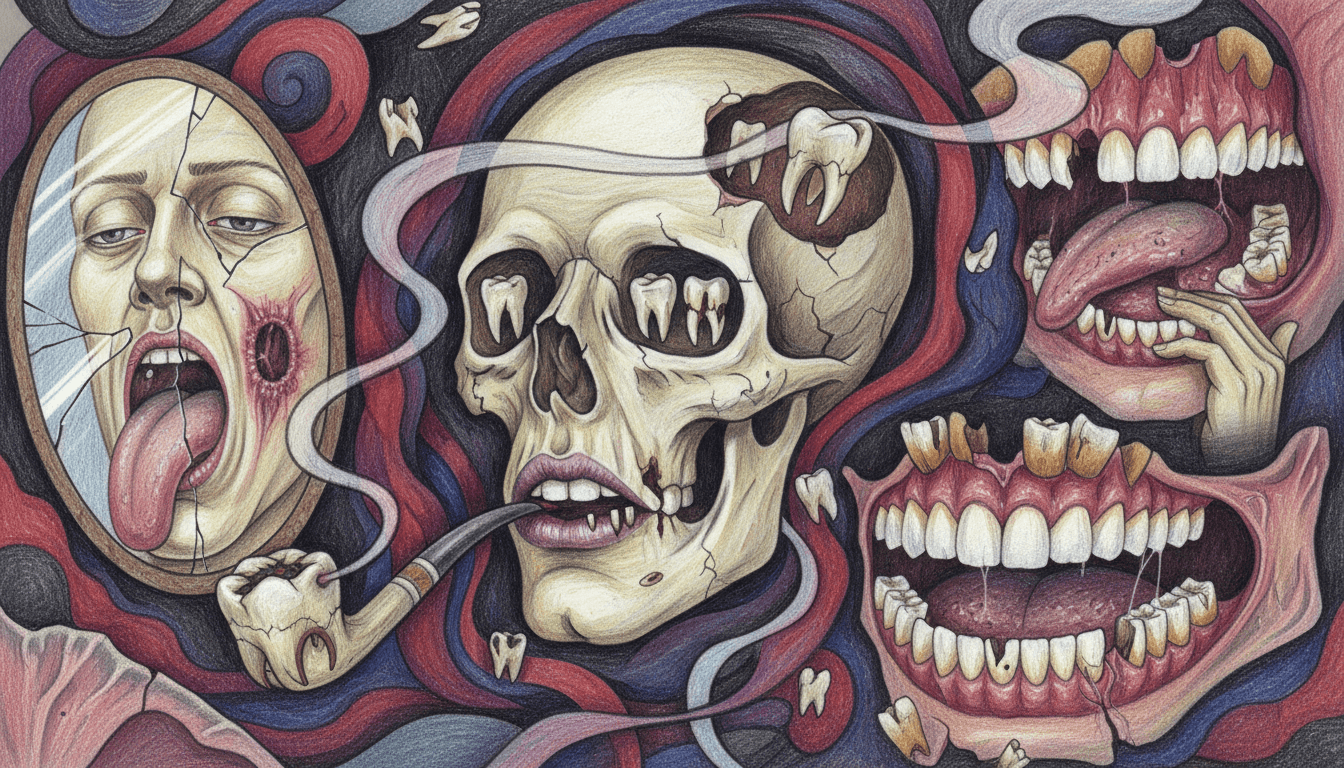
This in-depth guide provides a comprehensive analysis of the devastating impact of tobacco use on oral health. Drawing on data from the CDC and American Dental Association, it explores the direct mechanisms by which smoking and smokeless tobacco damage oral tissues, significantly increasing the risk of severe gum disease, oral cancer, and tooth loss. The article details the clinical progression of these conditions, offers technical comparisons of different tobacco products, and provides an exhaustive review of evidence-based cessation strategies and professional support systems. It concludes with a long-term outlook on oral health recovery post-cessation and actionable steps for prevention.
The relationship between tobacco use and oral health is one of the most well-documented and destructive in modern dentistry. Despite widespread public awareness campaigns, tobacco consumption remains a leading preventable cause of a vast spectrum of oral diseases, ranging from cosmetic concerns like staining to life-threatening conditions such as oral squamous cell carcinoma. This article, grounded in data from authoritative bodies like the Centers for Disease Control and Prevention (CDC) and the American Dental Association (ADA), serves as a definitive deep-dive into this critical issue. We will move beyond simplistic warnings to explore the precise pathophysiological mechanisms—how the thousands of chemicals in tobacco smoke and smokeless products directly assault the oral cavity's delicate ecosystem. The scope encompasses all forms of tobacco, including cigarettes, cigars, pipes, and chewing tobacco, analyzing their comparative risks. Our exploration is structured to provide not just a catalog of dangers but a clear understanding of the biological processes, thereby empowering readers with knowledge. Furthermore, we dedicate significant focus to the pathway out: the tangible, evidence-based benefits of cessation and the robust support systems available. For dental professionals and patients alike, understanding this topic in depth is paramount for effective prevention, early intervention, and successful treatment planning within a comprehensive oral health strategy.
The Direct Pathophysiological Assault: How Tobacco Damages Oral Tissues
To comprehend the full scope of tobacco's impact, one must first understand the direct, cellular-level assault it launches. The oral cavity is lined with a protective mucosal membrane and relies on a complex balance of bacterial flora, immune responses, and robust blood flow. Tobacco disrupts every single one of these defensive systems. Combusted tobacco smoke delivers a hot, concentrated cocktail of over 7,000 chemicals, including nicotine, carbon monoxide, tar, and numerous carcinogens like nitrosamines and polycyclic aromatic hydrocarbons. These agents have immediate and cumulative effects. Heat and toxic chemicals cause direct irritation and hyperkeratosis (thickening) of the oral mucosa, a precancerous change. Nicotine, a potent vasoconstrictor, dramatically reduces blood flow to the gingival tissues. This ischemia starves the gums of oxygen and vital nutrients, impairing their ability to mount an effective inflammatory response to bacterial plaque and compromising wound healing. Simultaneously, tobacco smoke compromises the immune system locally; it reduces the function of neutrophil cells, the body's first line of defense against bacterial invasion, and alters the production of inflammatory cytokines, leading to a dysregulated response. For smokeless tobacco, the damage is more localized but equally severe. Placed directly against the gingiva and mucosa, it leads to constant chemical irritation, causing gingival recession, leukoplakia (white patches), and a significant increase in the permeability of the mucosal barrier to carcinogens. The alkaline pH of smokeless tobacco also enhances the absorption of nicotine and other harmful compounds. This multifaceted attack weakens the structural integrity of the periodontium, alters the oral microbiome towards more pathogenic bacteria, and creates a pro-carcinogenic environment, setting the stage for the diseases detailed in subsequent sections.
Gum Disease Amplified: From Gingivitis to Advanced Periodontitis
The link between tobacco use and periodontal disease is one of the strongest in dental epidemiology. Tobacco doesn't just increase the risk; it transforms the disease's presentation, severity, and response to treatment. Periodontal disease begins as gingivitis—inflammation of the gums caused by plaque biofilm. In a non-smoker, this inflammation is characterized by redness, swelling, and bleeding upon probing. In a smoker, the classic signs are masked. The vasoconstriction caused by nicotine reduces gingival bleeding, often leading to a deceptively healthy pink appearance despite significant underlying infection and bone loss. This is a critical diagnostic pitfall for both patients and clinicians. As the disease progresses to periodontitis—where the supporting bone and ligament are destroyed—tobacco users experience a dramatically accelerated rate of attachment loss. Studies consistently show smokers have 2-8 times the risk of severe periodontitis compared to non-smokers. The mechanisms are synergistic: the impaired blood flow and immune response detailed earlier allow pathogenic bacteria like Porphyromonas gingivalis and Tannerella forsythia to thrive and invade deeper tissues. Furthermore, tobacco smoke and its constituents directly stimulate osteoclast activity (bone-resorbing cells) and inhibit osteoblast activity (bone-forming cells), tipping the balance towards rapid alveolar bone destruction. The clinical consequences are profound: deeper periodontal pockets, increased tooth mobility, and a much higher incidence of tooth loss. Treatment outcomes are also significantly compromised. Smokers respond poorly to non-surgical scaling and root planing, have reduced success rates with periodontal flap surgery, and exhibit vastly inferior outcomes for dental implant therapy, with higher risks of peri-implantitis and implant failure. The disease is often more refractory, requiring more aggressive and frequent maintenance therapy. For heavy, long-term users, the damage can be extensive and largely irreversible, underscoring the necessity of cessation as a primary component of any periodontal treatment plan.
Oral Cancer: Understanding the Elevated Risk and Early Signs
Oral cancer represents the most severe consequence of tobacco use, with a risk profile that is unequivocally elevated. Tobacco, in all its forms, is the single greatest risk factor for cancers of the lip, tongue, floor of the mouth, cheeks, and palate. The technical data indicating a 'higher oral cancer probability' translates to a risk that is 5 to 10 times greater for smokers compared to non-smokers, and for heavy users of smokeless tobacco, the risk for cancers of the cheek and gum can be nearly 50 times higher. The carcinogens in tobacco, such as tobacco-specific nitrosamines (TSNAs) and polycyclic aromatic hydrocarbons (PAHs), cause direct DNA damage in oral epithelial cells. Over time and with continuous exposure, this damage accumulates, leading to mutations in key oncogenes and tumor suppressor genes. The process is often preceded by visible precancerous lesions. Leukoplakia (a white patch that cannot be scraped off) and erythroplakia (a red patch) are critical warning signs, with erythroplakia having a much higher potential for malignancy. The location of these lesions often correlates with tobacco use habits—for instance, leukoplakia in the buccal vestibule from holding chewing tobacco. The insidious nature of oral cancer lies in its often painless early stages. Early signs can be subtle: a persistent ulcer or sore that does not heal within two weeks, a white or red patch, a lump or thickening of the tissue, difficulty chewing or swallowing, or a persistent sore throat. Later stages may involve pain, ear pain, numbness, or dramatic weight loss. Survival rates are highly dependent on stage at diagnosis; early-stage cancers have a 5-year survival rate of over 80%, which plummets to below 30% for late-stage disease. This stark disparity highlights the paramount importance of regular professional oral cancer screenings, which involve visual and tactile examination of all oral tissues, and immediate biopsy of any suspicious lesions. For tobacco users, these screenings are not optional; they are a lifesaving necessity.
Beyond Disease: Cosmetic and Functional Oral Health Consequences
While gum disease and cancer are the primary medical concerns, the cosmetic and functional sequelae of tobacco use are pervasive and significantly impact quality of life and social interactions. The most immediately visible effect is severe tooth staining. Tar and nicotine in smoke create tenacious brown and yellow deposits on enamel, particularly in areas sheltered from the abrasive action of chewing and brushing, such as the lingual surfaces of lower front teeth and interproximal areas. These stains are intrinsic and extrinsic, making professional dental cleaning necessary for removal. Halitosis, or chronic bad breath, is another major issue. Tobacco smoke itself has a distinct, unpleasant odor that permeates the oral tissues and lungs. More importantly, tobacco use promotes a dry mouth (xerostomia) by affecting salivary gland function. Saliva is crucial for cleansing the mouth, neutralizing acids, and controlling bacteria. Reduced saliva flow leads to a buildup of volatile sulfur compounds produced by bacteria, resulting in persistent foul breath that mints and mouthwash cannot mask. Taste perception is also dramatically altered. Smoking damages taste buds, blunting the ability to perceive flavors, especially sweet and salty tastes, which can lead to excessive use of salt or sugar in food. From a functional perspective, tobacco use impairs healing after any oral procedure, from a simple extraction to complex implant surgery. The reduced blood flow and compromised immune response lead to a higher incidence of dry socket (alveolar osteitis) after extractions, delayed wound closure, and increased risk of post-operative infections. For restorative dentistry, tobacco stains can compromise the aesthetics of tooth-colored fillings, crowns, and veneers over time. The cumulative effect is an oral environment that is not only diseased but also functionally impaired and cosmetically compromised, affecting nutrition, communication, and self-esteem.
The Science of Cessation: Immediate and Long-Term Oral Health Benefits
The decision to quit using tobacco is the single most impactful action an individual can take for their oral and systemic health. The benefits begin within hours and compound over years, fundamentally altering the disease trajectory. Within the first 24-48 hours, nerve endings begin to regenerate, and taste and smell senses start to improve. Oral mucosa begins to recover from constant irritation. Within weeks, the vasoconstrictive effects of nicotine subside, allowing blood flow to the gingiva to normalize. This often results in a temporary increase in gingival bleeding as the inflammatory response becomes unmasked—a positive sign of healing, not a negative one, indicating the body is now able to respond appropriately to plaque. Over the following 3 to 6 months, the immune cell function (particularly neutrophils) improves, enhancing the body's ability to fight periodontal pathogens. The risk of developing periodontal disease begins to decline. After one year of cessation, the elevated risk for periodontitis drops significantly, moving closer to that of a never-smoker. The most profound benefit is in cancer risk reduction. While the risk never fully returns to that of a never-smoker, it decreases steadily each year after quitting. After 10 years of abstinence, the risk of oral cancer is reduced by approximately 50%. The oral environment becomes less hospitable to carcinogens as the mucosal cells stop being bathed in toxins, allowing DNA repair mechanisms to function more effectively. Salivary flow often improves, combating dry mouth and its associated problems. From a dental treatment perspective, patients who quit respond far better to periodontal therapy, have higher success rates with implants and other surgeries, and experience better wound healing. The long-term outlook shifts from managing progressive decline to maintaining and even restoring oral health. It is a transition from a high-risk to a manageable-risk category, opening the door to successful preventive and restorative dentistry.
Navigating Cessation: Professional Support Systems and Evidence-Based Strategies
Quitting tobacco is a challenging process that often requires a multi-faceted approach. Relying solely on willpower has a low long-term success rate; therefore, engaging with professional support systems, as indicated in the technical data, is strongly recommended. The first line of professional support is often the dental team. Dentists and dental hygienists are uniquely positioned to perform oral cancer screenings, show patients the direct effects of tobacco in their own mouths (via mirrors, photos, or intraoral cameras), and provide clear, personalized feedback on the oral health damage. This 'teachable moment' during a dental appointment can be a powerful motivator. Beyond motivation, healthcare providers can offer access to pharmacotherapy. Nicotine Replacement Therapy (NRT)—including patches, gum, lozenges, inhalers, and nasal sprays—helps manage withdrawal symptoms by providing controlled doses of nicotine without the other harmful chemicals. Prescription medications like varenicline (Chantix) and bupropion (Zyban) work on brain chemistry to reduce cravings and withdrawal symptoms. Behavioral support is equally critical. Individual counseling, group therapy, and telephone quitlines (e.g., 1-800-QUIT-NOW) provide structured guidance and coping strategies. Cognitive Behavioral Therapy (CBT) helps individuals identify triggers, develop refusal skills, and manage stress without tobacco. Digital tools, including smartphone apps and text message support programs, offer accessible, ongoing encouragement. A combined approach—using medication alongside behavioral counseling—doubles or triples the chances of successful long-term cessation compared to either method alone. It is also crucial to plan for relapse, which is a common part of the journey, not a failure. A professional support system helps individuals learn from relapse and re-engage with their quit plan. Dental offices can integrate brief tobacco cessation interventions into routine care, asking about use, advising to quit, assessing willingness, assisting with a plan, and arranging follow-up—a model known as the 5 A's.
Key Takeaways
FAQs
Is vaping or using e-cigarettes safer for my oral health than smoking?
While e-cigarettes eliminate combustion and some toxins, they are not safe for oral health. The aerosol contains nicotine, which still causes vasoconstriction and gum disease risk, along with flavorants and other chemicals that can cause mucosal irritation, dry mouth, and an altered oral microbiome. The long-term oral cancer risk is still being studied, but they are not a risk-free alternative and are not recommended for oral health.
How long after I quit smoking will my gum disease improve?
Improvements begin within weeks as blood flow restores. However, measurable clinical improvement in periodontal parameters (like reduced pocket depths and bleeding) is typically observed within 3 to 6 months of sustained cessation. The rate of future bone loss slows to near that of a non-smoker. Existing bone loss is largely irreversible, but quitting halts progression and makes the condition far more responsive to treatment.
Can my teeth whiten again after I quit smoking?
Yes, significantly. The constant source of new tar and nicotine stains is removed. Existing extrinsic stains can be effectively removed through professional dental cleaning and/or professional whitening treatments. Some deep-set intrinsic staining may remain, but the overall color will improve dramatically. You will also prevent new stains from forming on restorations like crowns and veneers.
I use smokeless tobacco. Am I still at risk if I don't smoke?
Absolutely. Smokeless tobacco carries a severe and specific set of risks. It directly causes gum recession at the site of placement, leukoplakia (precancerous white patches), and a dramatically increased risk of oral cancers of the cheek, gums, and lip. The risk for these specific cancers can be up to 50 times higher than for non-users. It also leads to tooth decay from added sugar and abrasion, and nicotine addiction.
What is the single most important thing my dentist can do to help me quit?
Provide clear, personalized feedback. Using intraoral cameras or mirrors to show you the actual effects in your own mouth—receding gums, stained teeth, any lesions—makes the abstract risk concrete. This personalized health risk communication is a powerful motivator that general warnings lack. They can then follow up by offering resources or a referral to a cessation program.
Does quitting tobacco really lower my risk for oral cancer if I've used it for decades?
Yes, unequivocally. While the risk never completely returns to that of someone who never used tobacco, it decreases steadily each year you remain quit. After 5-10 years of abstinence, your risk of oral cancer can be reduced by approximately 50%. The sooner you quit, the greater the reduction in risk over time.
Why do my gums bleed more now that I've quit smoking?
This is a common and positive sign called 'unmasking gingivitis.' Smoking constricted your blood vessels, suppressing the normal bleeding response to inflammation. Now that blood flow is normalizing, your gums are showing the true level of inflammation caused by plaque. It means your body is healing and responding appropriately. Maintain good brushing and flossing and see your hygienist for a cleaning to help resolve this inflammation.
Are there special dental products for smokers?
While some toothpastes and mouthwashes are marketed for 'smokers' teeth' with stronger abrasives or whitening agents, they are not a solution to the underlying health problems. They may remove surface stains but do not address gum disease or cancer risk. In fact, highly abrasive pastes can damage enamel. The best 'product' is a robust oral hygiene routine with fluoride toothpaste, regular professional care, and, ultimately, cessation.
How often should I get an oral cancer screening if I use tobacco?
The American Dental Association recommends that all adults receive an oral cancer screening as part of their routine dental examination at least once a year. For current tobacco users or those who have quit within the last 10 years, many experts advise a visual and tactile screening at every dental check-up, which typically occurs every 6 months. Immediately report any persistent sore, lump, or patch to your dentist.
Guide Conclusion
The evidence is overwhelming and unambiguous: tobacco use is profoundly destructive to oral health, acting as a primary driver for disfiguring gum disease, debilitating functional loss, and life-threatening oral cancers. However, this analysis also provides a powerful message of hope. The human body, particularly the oral cavity, possesses a remarkable capacity for recovery once the toxic assault ceases. The benefits of quitting are not theoretical; they are physiological, measurable, and transformative. From improved response to dental treatments to a steadily declining cancer risk, the long-term outlook for a former tobacco user is fundamentally brighter. Embracing the professional support systems available—from your dental team to quitlines and counseling—dramatically increases the likelihood of success. The journey to quitting is challenging, but the destination is a healthier mouth, a stronger smile, and a significantly reduced burden of disease. Your oral health is one of the greatest beneficiaries of the decision to live tobacco-free.