Dental Anxiety and Patient Care: A Comprehensive Guide to Overcoming Fear and Ensuring Lifelong Oral Health
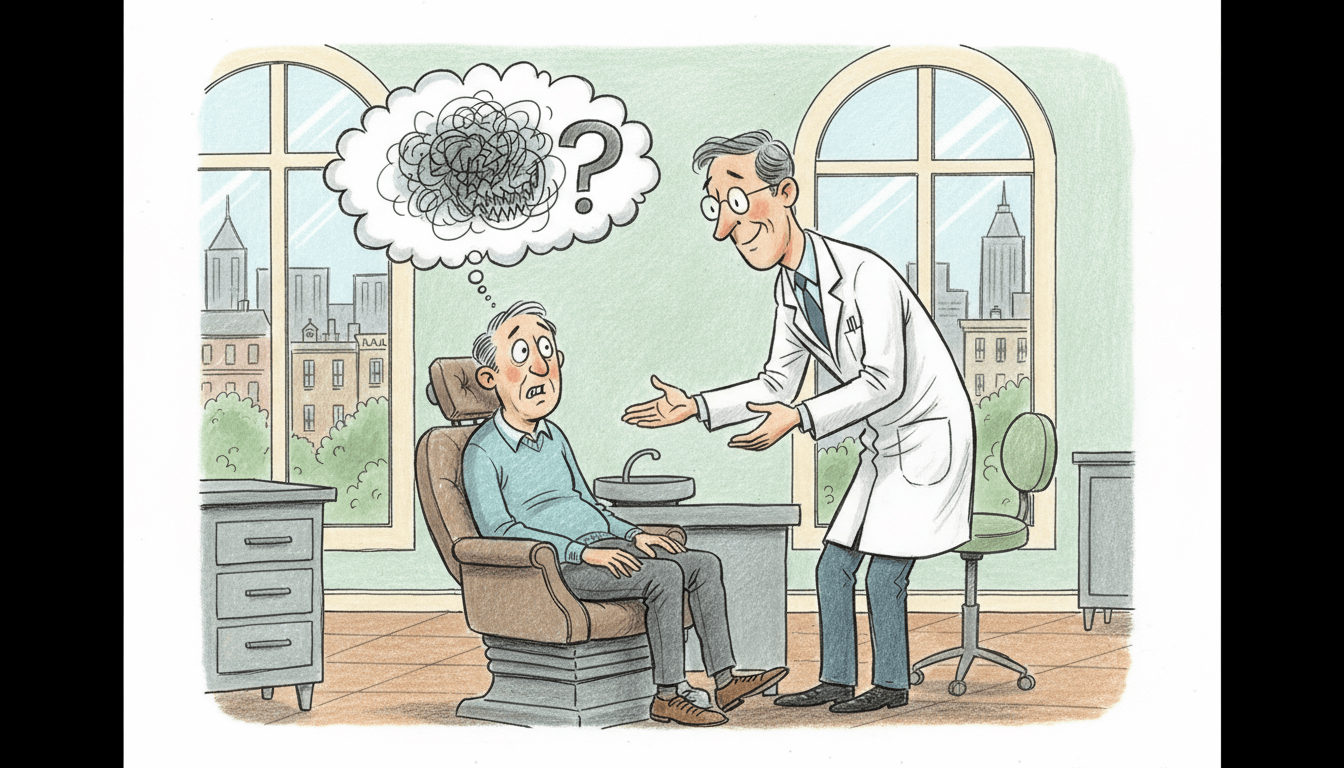
Dental anxiety is a pervasive psychological barrier preventing millions from seeking essential oral care, leading to a detrimental cycle of avoidance and deteriorating health. This exhaustive guide provides a deep-dive into the roots of dental fear, offering evidence-based strategies for patients to recognize, manage, and overcome their anxiety. It details the critical role of effective communication with dental professionals, demystifies common procedures, and outlines long-term management plans. By integrating patient psychology with clinical best practices, this article serves as a definitive resource for reclaiming control over your dental health journey and establishing a positive, proactive relationship with your dental care team.
For a significant portion of the global population, the mere thought of a dental appointment triggers a profound physiological and psychological response characterized by dread, panic, and avoidance. This phenomenon, known as dental anxiety or odontophobia, is not a minor inconvenience but a serious public health concern that creates a formidable barrier to preventive care and necessary treatment. The consequences of unaddressed dental anxiety are severe, often leading to a vicious cycle where fear prompts the postponement of visits, which in turn allows minor issues to escalate into complex, painful, and expensive emergencies, thereby reinforcing the initial fear. This guide, grounded in the expertise of professionals like those at Riggs Family Dental, moves beyond simplistic reassurance. It delves into the multifaceted nature of dental fear, exploring its origins in past trauma, fear of pain, loss of control, or even the sounds and smells associated with a dental office. We will dissect the critical, symbiotic relationship between patient psychology and clinical dentistry, demonstrating how understanding and strategy can dismantle these barriers. Our mission is to transform the dental experience from a source of terror into a manageable, even positive, aspect of overall wellness. By providing an exhaustive toolkit of cognitive-behavioral techniques, communication frameworks, and clinical options, this article empowers you to become an active, informed participant in your oral health care. The journey to overcoming dental anxiety begins with knowledge, and this document serves as your detailed map, charting a course from apprehension to assurance, ensuring that fear no longer dictates the health of your smile.
Recognizing and Diagnosing the Spectrum of Dental Anxiety
Dental anxiety is not a monolithic condition but exists on a broad spectrum, ranging from mild apprehension to a crippling phobia that completely prevents dental care. Recognizing where one falls on this spectrum is the first, crucial step toward management. For many, anxiety manifests as a low-grade worry in the days leading up to an appointment, perhaps involving restless sleep or preoccupation. For others, it is acute and immediate, triggering panic attacks, nausea, or palpitations in the waiting room. The technical data underscores its prevalence as a 'common barrier to dental care,' with studies suggesting it affects between 10% to 20% of adults severely enough to avoid the dentist altogether. The origins are complex and often interwoven. Iatrogenic causes stem from previous negative or painful dental experiences, especially in childhood. Psychosocial factors include a fear of loss of control or embarrassment, often exacerbated by feelings of vulnerability in the dental chair. The very environment—the sound of the drill, the smell of antiseptics, the sight of instruments—can act as powerful conditioned stimuli. A critical, often overlooked aspect is 'vicarious learning,' where anxiety is adopted from parents or peers who express their own dental fears. Diagnosis involves honest self-assessment and communication. Tools like the Modified Dental Anxiety Scale (MDAS) or the Dental Fear Survey (DFS) are used clinically to quantify fear levels. Patients must learn to identify their personal triggers: Is it the injection? The potential for pain? The feeling of being judged? Industry expert commentary, such as from behavioral psychologists consulting with dental practices, emphasizes that labeling and acknowledging these fears without judgment reduces their power. This process of recognition is not about assigning blame but about creating a personalized profile of anxiety, which becomes the foundation for all subsequent management strategies. Understanding that anxiety is a normal, physiological response to perceived threat allows patients to separate the emotional reaction from the objective reality of the dental procedure, a key cognitive shift for long-term coping.
The Cornerstone of Care: Mastering Effective Communication with Your Dental Team
The technical data explicitly states that communication is 'crucial for overcoming patient fears,' and this cannot be overstated. The patient-dentist relationship is a therapeutic alliance, and its quality is often the single greatest determinant of anxiety management success. Effective communication is a two-way street that begins before the patient even sits in the chair. The initial phone call or consultation is an opportunity to establish a partnership. Patients should be encouraged to disclose their anxiety history openly. A skilled dental team, trained in patient-centered communication, will listen actively, validate these feelings without dismissal, and express a commitment to collaborative care. This process builds the trust necessary to proceed. During treatment, a system of signals is paramount. A simple, pre-arranged hand signal (like raising a hand) that means 'stop, I need a break' returns a sense of control to the patient, significantly reducing panic. The dental team should practice 'tell-show-do,' a technique where they explain what they are going to do (tell), demonstrate the instrument or action on a finger (show), and then proceed with the procedure (do). This demystifies each step. Furthermore, the team should provide constant, reassuring commentary, informing the patient of what they will feel (pressure, vibration, cold water) and for how long each step will last. The absence of unexpected sensations is a powerful anxiolytic. From a technical comparison perspective, contrast a traditional, paternalistic model ('Just relax, this will be over soon') with a modern, shared-decision-making model ('We have time. I'm going to use the ultrasonic scaler now. You'll feel a tickling vibration and hear a humming sound. It will last about two minutes per quadrant. Remember, you can signal for a pause anytime.'). The latter model directly addresses the 'unknown' that fuels anxiety. Long-term, this communicative foundation transforms the dental office from a threatening space into a safe, predictable environment. Expert commentary from patient advocacy groups highlights that dental professionals who invest in communication training see higher patient retention, better treatment adherence, and improved clinical outcomes, as patients are more likely to return for regular maintenance.
Demystifying Dentistry: A Detailed Look at Common Procedures to Alleviate Fear of the Unknown
A profound source of dental anxiety is the fear of the unknown. Vivid imaginations, often fueled by media portrayals or anecdotal horror stories, fill the void of knowledge with terrifying possibilities. Therefore, as indicated in the technical data, 'procedure understanding reduces anxiety through education.' This section provides a detailed, step-by-step breakdown of common preventive and restorative procedures, replacing myth with fact. A routine dental prophylaxis (cleaning) involves several stages: the initial examination with a mirror and explorer to check for calculus and plaque; scaling using either manual instruments or an ultrasonic scaler that uses vibration and water to dislodge tartar; polishing with a gritty paste to remove surface stains; and finally, flossing and fluoride application. Understanding that modern ultrasonic scalers are designed for efficiency and comfort, and that the polishing paste is merely abrasive, not acidic, can alleviate fears of enamel damage. For restorative work, a composite filling procedure is meticulously sequenced. After local anesthesia (itself a procedure we will detail to reduce needle fear), the dentist isolates the tooth with a rubber dam for cleanliness. They then remove decay with a high-speed drill, which has advanced noise and vibration dampening. The tooth is etched with a mild acid gel to create micro-pores, rinsed, and a bonding agent is applied and cured with a blue LED light. The tooth-colored composite resin is then layered in, each layer cured with the light. Finally, it is shaped and polished. Knowing that each layer is only 2mm thick and cured in seconds, that the drill is used only for decay removal, and that the materials bond micromechanically to the tooth structure, dispels fears of 'drilling into nerves' or receiving unstable fillings. A long-term outlook in dentistry is the continued shift towards minimally invasive techniques, air abrasion instead of drills for early decay, and laser-assisted procedures, all of which are quieter, often anesthesia-free, and less physically invasive. This educational deep-dive empowers patients. When they understand the 'why' and 'how,' the procedure becomes a logical series of steps rather than a mysterious, threatening ordeal.
The Anxiety Toolkit: Evidence-Based Psychological and Clinical Strategies for In-the-Moment Management
Managing dental anxiety requires a personalized toolkit of strategies, blending psychological techniques with clinical options. Cognitive-behavioral strategies are frontline interventions. Deep, diaphragmatic breathing (inhaling for 4 counts, holding for 7, exhaling for 8) activates the parasympathetic nervous system, counteracting the fight-or-flight response. Guided imagery, where the patient mentally transports themselves to a calm, safe place (a beach, a forest), can significantly reduce perceived pain and distress. Distraction is a powerful tool; listening to music, podcasts, or audiobooks through noise-cancelling headphones not only blocks auditory triggers but also occupies the cognitive load. Progressive muscle relaxation, systematically tensing and relaxing muscle groups, helps release physical tension held in the body during stress. From a clinical perspective, pharmacological management offers a spectrum of support. Nitrous oxide ('laughing gas') is a mild sedative inhaled through a mask, providing relaxation and analgesia while allowing the patient to remain conscious and responsive—its effects wear off quickly after the mask is removed. For moderate anxiety, oral sedatives (like benzodiazepines) taken before the appointment induce a state of deep relaxation and amnesia for the procedure. For severe phobia or complex treatments, intravenous (IV) sedation administered by a trained professional provides a controlled state of depressed consciousness. The most extreme option is general anesthesia in a hospital setting. A technical comparison is vital: while nitrous oxide is excellent for mild-to-moderate anxiety and has a rapid onset/offset, oral sedation requires planning (a driver is mandatory) and has a longer duration. IV sedation offers the deepest level of conscious sedation with immediate adjustability. The long-term outlook is the integration of these tools into a graduated exposure plan. A patient might begin with multiple 'meet-and-greet' appointments, progress to a cleaning with nitrous oxide, and eventually undergo necessary treatment using learned breathing techniques alone. This systematic desensitization, supported by a compassionate team, rewires the brain's fear response over time.
Breaking the Cycle: The Non-Negotiable Importance of Regular Dental Visits for the Anxious Patient
For the dentally anxious, the instinct is to avoid care until pain becomes unbearable. This creates a self-fulfilling prophecy where emergency visits for advanced problems (like abscesses or fractures) are inherently more invasive, painful, and frightening than routine maintenance, thereby reinforcing the fear. Thus, the key point on the 'importance of regular dental visits' is not just about oral health but about anxiety management psychology. Regular preventive visits break this catastrophic cycle. A biannual prophylaxis and examination allow for the early detection of issues—a small cavity, early gum inflammation—that can be treated with minimal intervention, often without anesthesia or drilling (using techniques like fluoride varnish or resin infiltration). These positive, non-threatening experiences build a new memory bank of successful, comfortable dental interactions, gradually overwriting past negative associations. From a technical health perspective, regular removal of calculus prevents periodontal disease, which is linked to systemic conditions like cardiovascular disease and diabetes. For the anxious patient, the goal is to transform the dental appointment from a 'treatment event' into a 'maintenance check-in.' The focus shifts from fixing problems to preserving health. This requires a paradigm shift in scheduling. Instead of calling when in pain, patients commit to a pre-scheduled recall system. Dental teams can support this by sending gentle reminders, offering flexible scheduling (e.g., first appointment of the day to reduce waiting), and ensuring consistency by having the patient see the same hygienist and dentist each time to build rapport. The long-term outlook is one of empowerment. As patients successfully attend regular, uneventful check-ups, their self-efficacy grows. They prove to themselves that they can manage their anxiety and handle the appointment. This confidence generalizes, reducing baseline anxiety levels over years. Expert commentary from healthcare economists notes that this preventive model is also cost-effective, saving patients and the healthcare system significant expense by avoiding complex reconstructions or emergency hospital visits for dental infections.
Building a Supportive Ecosystem: The Dental Team's Role in Providing Psychological Comfort
The technical data highlights that 'professional support' and the 'dental team can provide psychological comfort.' This is an active, trained skill set, not a passive benefit. A modern, anxiety-informed dental practice is an ecosystem designed for psychological safety. It begins with the office environment: calming colors, comfortable seating, a separate quiet room for consultations, and the absence of clinical sounds and smells in the waiting area. The entire team, from the receptionist to the dental assistant, is trained in empathetic communication. The receptionist's warm, non-judgmental greeting sets the tone. The dental assistant's role is pivotal; they are often the constant presence during a procedure, offering a reassuring touch on the shoulder, monitoring the patient's comfort, and acting as an advocate. The dentist's demeanor—calm, patient, and never rushed—communicates safety. This team is trained to recognize signs of escalating anxiety (white knuckles, shallow breathing, tears) and to intervene proactively by pausing, checking in, and offering a break. Beyond demeanor, clinical protocols are adapted. For needle-phobic patients, the use of topical anesthetics is mandatory, and the injection can be given using a 'wand' style computerized delivery system that controls flow rate to minimize discomfort. For gag reflexes, techniques like salt on the tongue or topical sprays can be used. The long-term outlook for the profession is the formal integration of 'Trauma-Informed Care' principles into dental education and practice. This approach recognizes that many patients with high anxiety may have histories of trauma (medical, dental, or otherwise) and focuses on creating choice, collaboration, and empowerment in all interactions. Simulated expert commentary from dental educators suggests that future curricula will heavily emphasize behavioral management, communication psychology, and the business case for creating a low-stress practice environment, which leads to higher patient satisfaction, lower staff burnout, and a more sustainable practice model.
Key Takeaways
FAQs
Is dental anxiety common, or am I just overreacting?
Dental anxiety is extremely common, affecting a significant percentage of the population to varying degrees. It is a well-documented psychological response, not an overreaction. Your feelings are valid and shared by millions. Recognizing it is the first step toward managing it effectively with professional support.
What is the difference between dental anxiety and a dental phobia?
Dental anxiety refers to feelings of unease, worry, or fear associated with an upcoming dental visit. Dental phobia (odontophobia) is a more severe, diagnosable condition characterized by intense, irrational fear that leads to complete avoidance of dental care at all costs, even when in severe pain. Phobia often requires more intensive intervention, including therapy.
Can I just be put to sleep for all my dental work?
While general anesthesia is an option for extensive procedures or extreme phobia, it carries higher medical risks and costs and is not typically recommended for routine care. A better approach is to explore conscious sedation options (like nitrous oxide or oral sedation) that reduce anxiety while allowing you to respond. The ultimate goal is often to build your coping skills to eventually tolerate care with minimal or no sedation.
How do I find a dentist who is good with anxious patients?
Look for practices that explicitly advertise 'sedation dentistry,' 'comfort care,' or 'anxiety-free dentistry.' Read patient reviews focusing on mentions of patience and kindness. Call the office and ask directly about their protocols for nervous patients, such as stop signals, longer appointment times, and whether they offer amenities like headphones or blankets. A consultation visit is the best test.
Will telling the dentist I'm scared make them judge me or rush?
A professional, compassionate dental team will never judge you for expressing fear. In fact, it provides them with crucial information to tailor your care for safety and comfort. It allows them to slow down, explain more, and use appropriate techniques. A dentist who rushes or dismisses your concerns is not the right dentist for you.
Are there medications I can take at home before an appointment?
Yes, oral sedatives (typically a benzodiazepine like triazolam or diazepam) are often prescribed to be taken an hour before your appointment. This requires a prior consultation with the dentist, a prescription, and absolutely requires that you have a responsible adult drive you to and from the appointment, as you will be impaired.
What if I have a panic attack in the dental chair?
A well-prepared team will have a protocol for this. They will stop all treatment immediately. They will help you sit up if possible, encourage focused breathing, and may offer water or a cold cloth. The pre-arranged stop signal is key here. The appointment may be rescheduled, and your treatment plan adjusted to include stronger anxiety management strategies for next time.
Can therapy or counseling help with dental fear?
Absolutely. Cognitive Behavioral Therapy (CBT) is considered the gold-standard psychological treatment for specific phobias, including dental phobia. A therapist can help you identify thought patterns, develop coping skills, and systematically desensitize you to dental triggers. Some therapists specialize in medical/dental anxiety.
Guide Conclusion
Conquering dental anxiety is not about eliminating fear overnight but about embarking on a structured journey of understanding, communication, and gradual empowerment. By leveraging the comprehensive strategies outlined—from recognizing your personal anxiety profile and mastering communication with a supportive dental team, to utilizing a blend of psychological tools and clinical options—you can dismantle the barriers that have compromised your oral health. Remember, the goal is to transform the dental experience from a source of dread into a manageable aspect of your overall wellness routine. Your dental health is inextricably linked to your systemic health and quality of life. Taking proactive, informed steps to manage anxiety is one of the most significant investments you can make in your long-term well-being. Partner with a compassionate dental practice, arm yourself with knowledge, and move forward with the confidence that you can, and will, achieve a healthier smile without being ruled by fear.