Nutritional Strategies for Optimal Oral Health: A Comprehensive Guide to Dietary Interventions and Functional Foods
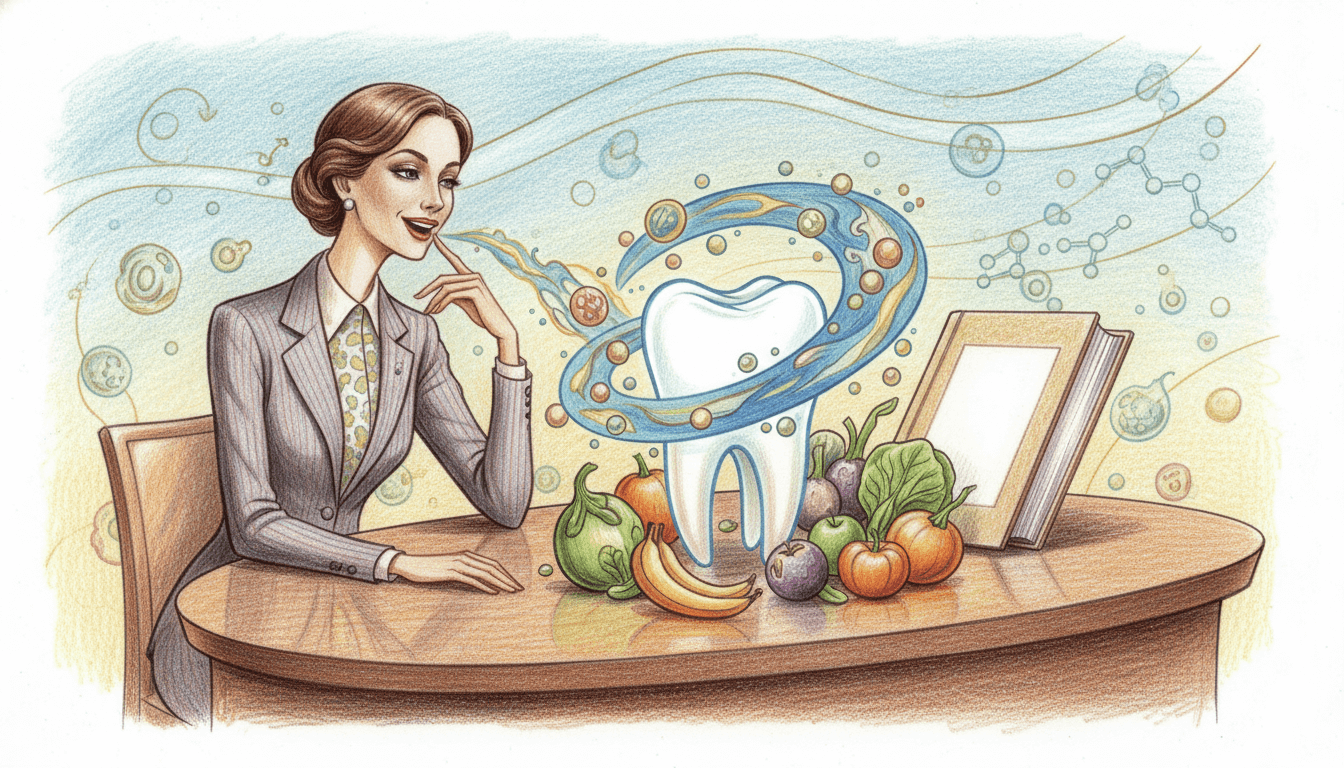
This comprehensive guide delves into the profound impact of nutrition on dental wellness, moving beyond basic hygiene to explore the biochemical foundations of a healthy mouth. It provides an exhaustive analysis of how specific nutrients, dietary patterns, and functional foods directly influence tooth integrity, gum health, and the delicate balance of the oral microbiome. The article outlines evidence-based strategies for preventing common oral diseases like caries and periodontitis through targeted nutritional choices, examines the role of supplementation, and offers a long-term outlook on integrating dietary science into holistic oral care routines for a resilient, healthier smile.
For decades, oral health has been predominantly framed within the context of mechanical hygiene—brushing, flossing, and professional cleanings. While these practices are undeniably crucial, a paradigm shift is underway, recognizing that the foundation of a resilient smile is built not just at the bathroom sink, but also on the dining table. The intricate relationship between nutrition and oral health is a dynamic, biochemical dialogue where every bite and sip can either fortify or undermine dental structures. This article, drawing on insights from the Nutrition and Oral Health Research Center, embarks on a deep exploration of this relationship. We will dissect how macronutrients and micronutrients directly influence enamel remineralization, gingival integrity, and inflammatory pathways. Beyond simply identifying 'good' and 'bad' foods, we will investigate strategic dietary patterns that create an oral environment hostile to pathogenic bacteria yet supportive of beneficial microbes. The conversation extends to the burgeoning field of functional foods—those offering benefits beyond basic nutrition—and the judicious use of supplements where diet alone may fall short. This is not a simplistic list of dos and don'ts; it is a comprehensive, evidence-based framework for using nutrition as a proactive, powerful tool for lifelong oral wellness, perfectly aligning with Dental Care Best's mission to provide holistic, practical guidance for a healthier smile.
The Biochemical Foundation: How Nutrients Directly Impact Dental Structures
The integrity of teeth and surrounding tissues is a direct reflection of nutritional status, governed by complex biochemical processes. Enamel, the hardest substance in the human body, is a dynamic, non-living crystalline structure of hydroxyapatite. Its demineralization and remineralization are in constant flux, heavily influenced by salivary chemistry, which is itself a product of nutrition. Calcium and phosphorus are the primary architectural minerals, but their deposition into enamel and dentin is futile without adequate vitamin D, which regulates their absorption from the gut and their serum levels. A deficiency in vitamin D leads to hypomineralized, weaker teeth more susceptible to caries. Vitamin C, famously linked to scurvy, is non-negotiable for gum health. It is a critical cofactor for collagen synthesis, the primary structural protein in gingival tissue, periodontal ligaments, and blood vessel walls. Chronic suboptimal intake leads to compromised connective tissue, bleeding gums, and increased vulnerability to periodontitis—a condition far more serious than mere gingivitis. Vitamin A supports the maintenance of mucous membranes lining the mouth and is essential for salivary gland function; a dry mouth (xerostomia) significantly elevates caries risk as saliva's buffering, cleansing, and remineralizing actions are lost. The B-complex vitamins, particularly B2 (riboflavin), B3 (niacin), and B12, are vital for cellular repair and energy production in rapidly dividing oral mucosal cells. Deficiencies can manifest as angular cheilitis, glossitis (inflamed tongue), and general mucosal ulceration. Furthermore, minerals like zinc act as a cofactor for alkaline phosphatase, an enzyme crucial for bone and tooth mineralization, and also supports immune function against oral pathogens. Iron deficiency can lead to atrophic oral mucosa and increased susceptibility to infections. This intricate nutrient interplay means that oral health is a reliable biomarker for overall nutritional status; lesions in the mouth are often the first visible signs of systemic deficiencies.
Protective Foods and Dietary Components: Nature's Toothpaste and Mouthwash
Beyond isolated vitamins and minerals, whole foods contain synergistic complexes of compounds that offer direct protective benefits. Crunchy, fibrous fruits and vegetables like apples, carrots, and celery act as natural detergents. Their mechanical action during chewing stimulates copious saliva flow, nature's ultimate oral rinse, which helps neutralize acids, wash away food particles, and deliver minerals to tooth surfaces. Furthermore, the fibrous texture can gently scrub plaque from teeth. Dairy products, particularly cheese, are oral health powerhouses. They are rich in bioavailable calcium and phosphates, and casein phosphopeptides help stabilize calcium phosphate, facilitating remineralization. Eating cheese at the end of a meal can help raise plaque pH rapidly, counteracting acid attacks from other foods. Green and black teas are rich sources of polyphenols, specifically catechins. These compounds have demonstrated potent antibacterial properties against *Streptococcus mutans*, the primary bacterium responsible for caries. They can inhibit bacterial enzyme activity (glucosyltransferase) needed for plaque formation and reduce the bacteria's ability to produce acid. Fluoridated water remains the most effective public health measure for caries prevention, as fluoride becomes incorporated into developing enamel and promotes remineralization of early carious lesions. Foods high in omega-3 fatty acids, such as fatty fish (salmon, mackerel) and flaxseeds, possess powerful anti-inflammatory properties. Chronic inflammation is the hallmark of periodontitis, and omega-3s help modulate the body's inflammatory response, potentially reducing gum pocket depth and bleeding. Probiotic-rich foods like yogurt, kefir, and fermented vegetables introduce beneficial bacteria that can compete with pathogenic strains in the oral microbiome. Specific strains, such as *Lactobacillus reuteri* and *Streptococcus salivarius* K12, have been shown to reduce levels of harmful bacteria and support a balanced microbial community. On the other hand, foods like raisins, despite being sticky and sweet, contain phytochemicals like oleanolic acid that may inhibit the growth of caries-causing bacteria, illustrating that the 'good vs. bad' food dichotomy is often overly simplistic.
Strategic Dietary Patterns for Oral Disease Prevention
Preventing oral diseases requires moving beyond individual 'superfoods' to adopt overarching dietary patterns that create a sustainably healthy oral environment. The primary strategy is managing the frequency and form of fermentable carbohydrate intake. Cariogenic bacteria thrive on simple sugars (sucrose, fructose, glucose) and refined starches, producing acid as a metabolic byproduct. It is not solely the amount of sugar but the frequency of exposure that dictates risk. Sipping a sugary drink over hours or grazing on snacks continuously bathes teeth in acid, not allowing saliva time to neutralize and remineralize. Therefore, a key tactic is to consume sugary or starchy foods only during main meals, not as standalone snacks. When snacking is necessary, choosing non-cariogenic options like cheese, nuts, or vegetables is critical. Another strategic pattern is meal sequencing. Consuming protective foods at the end of a meal can help mitigate the impact of acidic or sugary items eaten earlier. The 'cheese-after-meal' tradition has scientific merit. Furthermore, a diet rich in whole foods—vegetables, fruits, lean proteins, whole grains, and healthy fats—naturally limits processed foods, which are often the primary source of hidden sugars and acids. This aligns with anti-inflammatory dietary patterns like the Mediterranean diet, which is associated with a lower prevalence of periodontitis due to its high content of antioxidants, fiber, and omega-3s. For individuals with dry mouth, strategic hydration and choosing moist foods, coupled with sugar-free gum containing xylitol, becomes a vital pattern. Xylitol is a sugar alcohol that cannot be metabolized by cariogenic bacteria, reducing their acid production and adhesion to teeth. Long-term, the goal is to establish eating rhythms that minimize acid attacks and maximize the mouth's natural defensive and reparative periods, effectively training the oral ecosystem towards stability and resilience.
The Oral Microbiome: Cultivating a Balanced Ecosystem Through Diet
The human mouth hosts a complex community of over 700 bacterial species, collectively known as the oral microbiome. A state of dysbiosis—an imbalance where pathogenic species outcompete beneficial ones—is the root cause of caries and periodontal disease. Diet is the primary environmental factor shaping this ecosystem. A diet consistently high in refined sugars selectively enriches acid-producing, acid-tolerant bacteria like *Streptococcus mutans* and *Lactobacillus* species, lowering the plaque pH and creating a niche where other pathogenic species can thrive. Conversely, a diet rich in fiber and polyphenols can promote a more diverse and stable microbial community. Nitrate-rich foods like leafy greens (spinach, arugula, beetroot) are of particular interest. Oral bacteria convert dietary nitrate to nitrite, which in saliva can be further reduced to nitric oxide—a molecule with potent antibacterial properties against pathogens like *Porphyromonas gingivalis*, a key player in periodontitis. This represents a fascinating example of diet modulating the microbiome to produce endogenous protective compounds. Prebiotics, non-digestible fibers that feed beneficial bacteria, also play a role. Foods like garlic, onions, leeks, and asparagus contain inulin and other prebiotics that may support a healthier oral flora. The emerging field of oral probiotics involves consuming specific strains of bacteria (e.g., *Lactobacillus reuteri*, *Bifidobacterium*) intended to colonize the mouth and directly antagonize pathogens or modulate the host immune response. While research is ongoing, the principle is clear: we must view the mouth not as a sterile surface to be sanitized, but as a garden to be cultivated. The goal of nutritional strategies is not to eliminate all bacteria—an impossible and undesirable task—but to foster a microbial community that supports, rather than attacks, oral tissues through strategic and consistent dietary choices.
Targeted Nutritional Supplementation: When Diet Alone Is Not Enough
While a balanced, whole-foods diet is the cornerstone, specific life stages, medical conditions, or dietary restrictions may create gaps that necessitate targeted supplementation. The goal is pharmacological nutrition—using nutrients at specific doses to achieve a therapeutic oral health outcome. Vitamin D supplementation is arguably the most broadly relevant. Given widespread insufficiency and its critical role in calcium metabolism, supplementation (often paired with vitamin K2 for proper calcium direction to bones and teeth) can be a powerful adjunct for supporting remineralization, especially in individuals with low sun exposure or malabsorption issues. For gum health, vitamin C supplementation can be beneficial for those with low intake, such as individuals who avoid fruits and vegetables. However, megadoses are not more effective and can cause gastrointestinal distress; the focus should be on achieving optimal, not supra-physiological, levels. Coenzyme Q10 (CoQ10) is a fat-soluble antioxidant involved in cellular energy production. Research suggests topical or systemic CoQ10 may improve clinical parameters in periodontitis by enhancing gingival tissue repair and reducing inflammation, particularly in older adults whose natural CoQ10 levels decline. For individuals with recurrent aphthous ulcers (canker sores), supplementation with vitamin B12, folate, and iron has shown promise in reducing frequency and severity, especially in cases of underlying deficiency. The amino acid L-lysine has also been used anecdotally for this purpose. It is crucial to emphasize that supplementation is not a substitute for a poor diet and should be guided by healthcare professionals. Blood tests can identify specific deficiencies, allowing for precise intervention. Furthermore, the form of the supplement matters; for example, calcium citrate may be better absorbed than calcium carbonate for some individuals. The long-term outlook involves personalized nutrition, where genetic testing and microbiome analysis could one day guide individualized supplement regimens for optimal oral-systemic health.
The Acid Erosion Challenge: Navigating pH in the Modern Diet
While caries prevention focuses on bacterial acid production, a separate and growing threat is direct chemical erosion from dietary acids. This involves the direct dissolution of enamel by acidic foods and drinks, bypassing the bacterial component entirely. The modern diet is replete with erosive agents: citrus fruits and juices (lemon, orange, grapefruit), carbonated beverages (including 'diet' sodas, which are acidic despite lacking sugar), sports drinks, energy drinks, wine, and even some herbal teas and vinegar-based dressings. The erosive potential is determined by the acid's pH, titratable acidity (how much acid is present), calcium-chelation properties (like citric acid's ability to bind calcium), and the duration of contact with teeth. Sipping a lemon-water throughout the day or holding an energy drink in the mouth before swallowing are highly erosive behaviors. Strategic consumption is key. These acidic items should be consumed quickly, preferably with meals, to limit exposure time and allow food to help neutralize the acid. Using a straw positioned towards the back of the mouth can minimize contact with anterior teeth. Critically, one should NOT brush teeth immediately after an acid attack. Acid softens the enamel surface, and brushing can cause abrasive wear. It is recommended to wait at least 30-60 minutes, allowing saliva to remineralize the surface. Rinsing with water or a fluoride mouthwash immediately after consuming something acidic can help neutralize the pH and wash away the acid. For individuals with gastroesophageal reflux disease (GERD) or eating disorders like bulimia, stomach acid presents a severe erosive challenge that requires medical management. Understanding and managing dietary acid exposure is a non-negotiable component of contemporary nutritional strategy for oral health, protecting the very structure that nutrients work to build.
Key Takeaways
FAQs
Is fruit bad for my teeth because of the sugar?
Whole fruit is generally not bad for teeth when consumed as part of a meal. The sugar in whole fruit (fructose) is less cariogenic than sucrose, and the fiber content stimulates saliva and requires chewing, which helps clean teeth. The water content also dilutes natural sugars. The risk increases with dried fruit (sticky, concentrated sugar) or frequent sipping of fruit juice, which bathes teeth in sugar and acid without the fiber's benefits.
What is the single best food I can eat for my teeth?
While no single food is a magic bullet, aged cheese (like cheddar) is a top contender. It is rich in calcium and phosphates for remineralization, contains casein to protect enamel, and has a strong pH-raising effect that neutralizes plaque acid after a meal. It combines structural, chemical, and protective benefits effectively.
Are sugar-free sodas and drinks safe for my teeth?
They are safer from a caries perspective because they lack fermentable sugar. However, most are highly acidic (due to carbonation and added citric or phosphoric acid) and can cause significant dental erosion by directly dissolving enamel. They should be consumed sparingly, with meals, and using a straw is advised to minimize contact.
How does a diet for healthy gums differ from one for preventing cavities?
While overlapping, the emphasis differs. Cavity prevention focuses heavily on reducing the frequency of fermentable carbs to minimize acid production. Gum health focuses more on anti-inflammatory and antioxidant nutrients: vitamin C for collagen synthesis, omega-3s to modulate inflammation, and antioxidants (vitamins A, E, polyphenols) to combat oxidative stress in gingival tissues. Both require a nutrient-dense, whole-food base.
Can probiotics really improve my oral health?
Emerging research is promising. Specific oral probiotic strains (e.g., *Lactobacillus reuteri*, *Streptococcus salivarius* K12) may help by competing with pathogenic bacteria for space and resources, producing antimicrobial compounds, and modulating the local immune response. They are best viewed as a supportive adjunct to good oral hygiene and diet, not a replacement.
I have a dry mouth. What nutritional strategies can help?
Strategic hydration is key—sip water constantly. Choose moist foods (soups, yogurt) and avoid dry, crunchy, or sticky foods. Use sugar-free gum or lozenges with xylitol to stimulate saliva flow. Limit caffeine and alcohol, which are dehydrating. Consider talking to your doctor about saliva substitutes or medications that stimulate saliva production if the issue is chronic.
Are there any foods that can naturally whiten teeth?
No food will dramatically whiten teeth like professional bleaching. However, crunchy fruits and vegetables can provide mild abrasive cleaning of surface stains. Strawberries contain malic acid, which has a slight astringent effect on surface discoloration, but overuse could risk erosion. For whitening, professional or dentist-recommended products are more effective and safer.
How long after eating should I wait to brush my teeth?
If you've consumed anything acidic (soda, fruit, wine, vinegar) or sugary, wait at least 30-60 minutes before brushing. Acid softens enamel, and brushing immediately can cause abrasive wear. During this wait, saliva works to remineralize the surface. Rinsing with water or a fluoride mouthwash immediately after eating is a good interim step.
Guide Conclusion
Achieving and maintaining optimal oral health is an endeavor that extends far beyond the toothbrush. As this comprehensive analysis demonstrates, nutrition serves as the foundational bedrock upon which dental wellness is built. By understanding the specific roles of key nutrients, strategically incorporating protective and functional foods, managing dietary patterns to minimize acid challenges, and thoughtfully supporting the oral microbiome, we empower ourselves with proactive tools for prevention. This nutritional approach complements mechanical hygiene, creating a synergistic defense against decay and disease. The journey towards a healthier smile is, fundamentally, a journey towards better nourishment. By making informed, deliberate choices at every meal, we invest not only in the longevity of our teeth and gums but also in the broader landscape of our systemic health. Embrace these nutritional strategies as a core component of your oral care routine, and consult with dental and nutritional professionals to tailor a plan that supports your unique path to a resilient, vibrant smile for life.