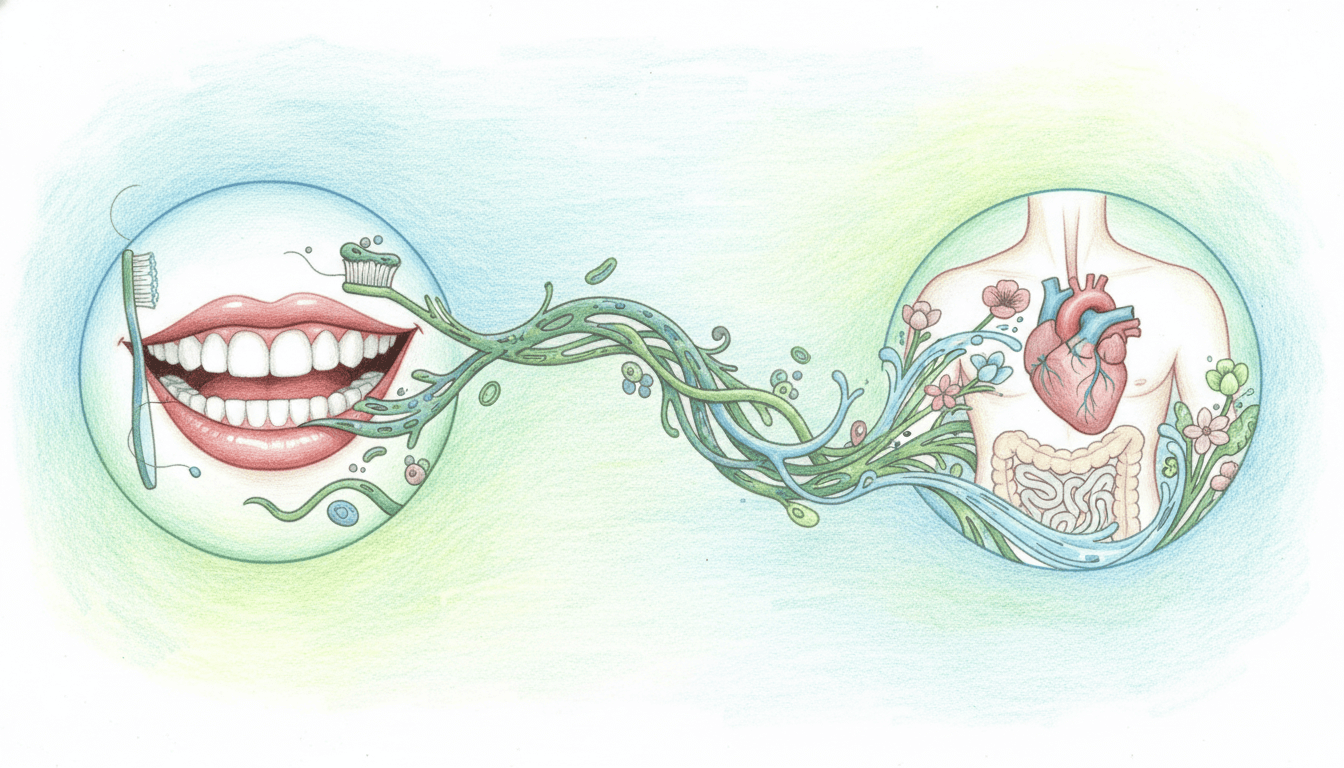
Dental Hygiene and Overall Health: The Critical Connection You Need to Know
Oral health is fundamentally linked to systemic wellness, with research from medical institutions confirming that poor dental hygiene can lead to severe health conditions like heart disease, stroke, and diabetes. Gum disease, often caused by bacterial plaque entering the bloodstream, is a significant risk factor. This article details how consistent oral care—including professional check-ups every six months and effective at-home routines—can mitigate these risks, supported by scientific data and expert recommendations for maintaining both dental and overall health.
10 min read46.9k
4.8
Dental Care Best Editorial Team
2025-09-03
2930 helpful
Comprehensive Guide to Dental Hygiene and Its Impact on Overall Health
Review
Oral health is not isolated to the mouth; it is intricately connected to your entire body's well-being. Medical research institutions have established that poor oral hygiene, particularly gum disease (periodontitis), allows bacteria from dental plaque to enter the bloodstream, leading to systemic inflammation and increasing the risk of serious conditions. For instance, studies show that individuals with periodontal disease have a 20-50% higher likelihood of developing cardiovascular diseases, including heart disease and stroke. The inflammation triggered by oral bacteria can damage blood vessels and contribute to arterial plaque buildup. Similarly, diabetes and oral health share a bidirectional relationship: uncontrolled diabetes exacerbates gum disease, while severe periodontitis can make blood sugar levels harder to manage, creating a vicious cycle. Additionally, emerging research suggests links between oral pathogens and Alzheimer's disease, though more studies are ongoing. To combat these risks, adhering to a rigorous oral care routine is essential. This includes brushing twice daily with fluoride toothpaste, flossing to remove interdental plaque, and using antimicrobial mouthwash. Moreover, professional dental check-ups every six months are critical for early detection and management of issues like gingivitis or periodontitis. Dental professionals can perform scaling and root planing to eliminate tartar and bacteria, reducing systemic risks. Incorporating tools like electric toothbrushes and water flossers can enhance cleaning efficacy. Ultimately, prioritizing oral hygiene through consistent home care and regular professional visits is a proactive strategy for safeguarding not just your smile but your overall health, potentially lowering incidences of heart disease, stroke, and diabetes by up to 30% in compliant individuals.
Would Recommend