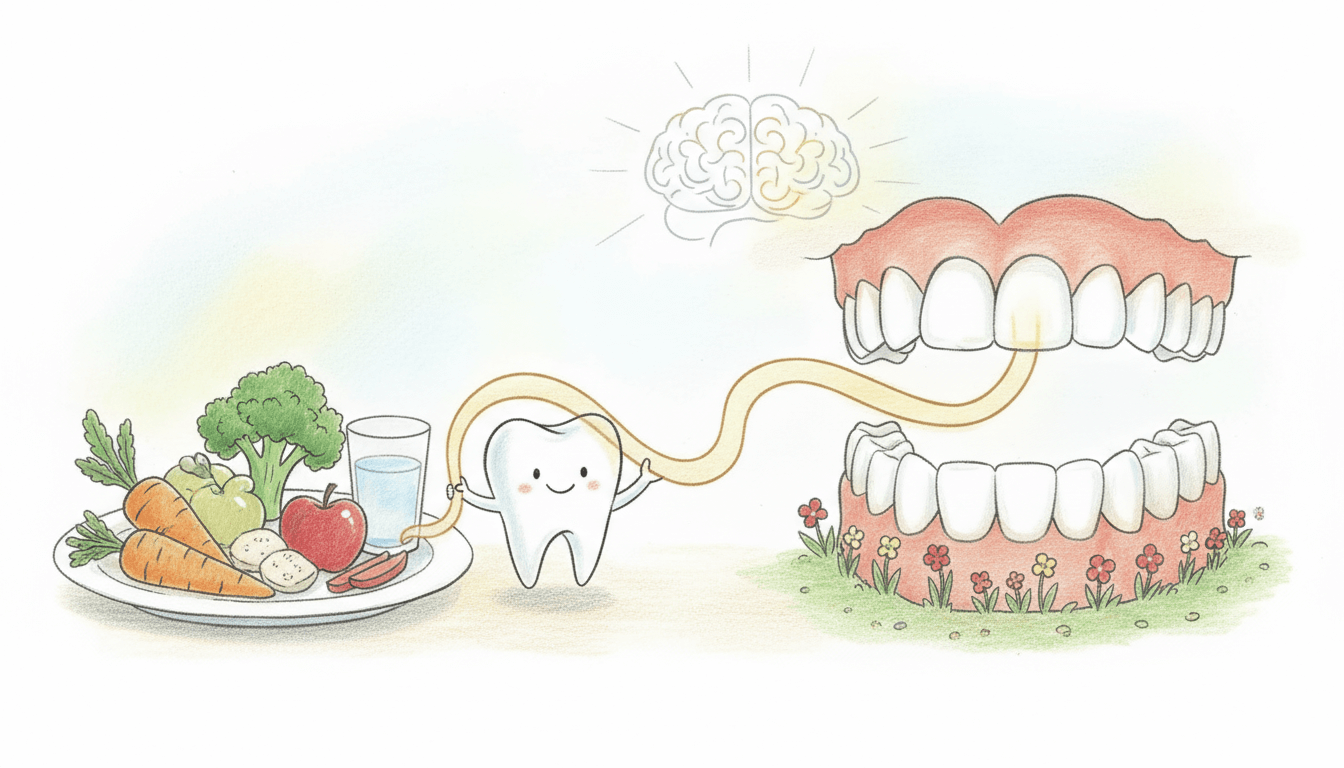
Diet and Oral Health Connection: How Your Nutrition Affects Dental Wellness
Discover the profound connection between diet and oral health, where daily food choices directly influence dental outcomes. Sugary and acidic foods, including sodas and processed snacks, convert to enamel-eroding acids, increasing cavity risks. Starchy items like bread and pasta break down into sugars that fuel harmful bacteria. Conversely, a balanced diet rich in fiber from fruits and vegetables, along with unsweetened dairy, strengthens teeth and gums. The American Dental Association emphasizes that nutrient-dense foods support saliva production and remineralization, helping prevent decay. Adopt these dietary habits to enhance your dental routine and maintain a vibrant smile.
10 min read78.2k
5
Dr. Emily Carter, DDS
2025-11-06
3399 helpful
Essential Dietary Guidelines for Optimal Oral Health
Review
As a dental professional, I emphasize that diet is a cornerstone of oral health. Sugary and acidic foods, such as sodas and candies, initiate a destructive process where oral bacteria metabolize sugars into acids, lowering plaque pH to below 5.5 and demineralizing enamel. This erosion leads to cavities, with studies showing that consuming sugary drinks more than twice daily increases decay risk by over 30%. Starchy foods like crackers and pasta hydrolyze into maltose and glucose, lingering on teeth and fueling Streptococcus mutans growth. Alternatively, fibrous fruits (e.g., apples and carrots) act as natural cleansers, stimulating saliva flow which neutralizes acids and supplies calcium and phosphate for remineralization. Dairy products, rich in casein and phosphorus, form a protective layer on enamel. Integrating these habits into daily routines, alongside regular brushing and flossing, significantly reduces periodontal disease and caries incidence, supporting long-term dental wellness.
Would Recommend