Oral-B Electric Toothbrush: A Comprehensive Analysis of Oscillating Round Brush Head Technology
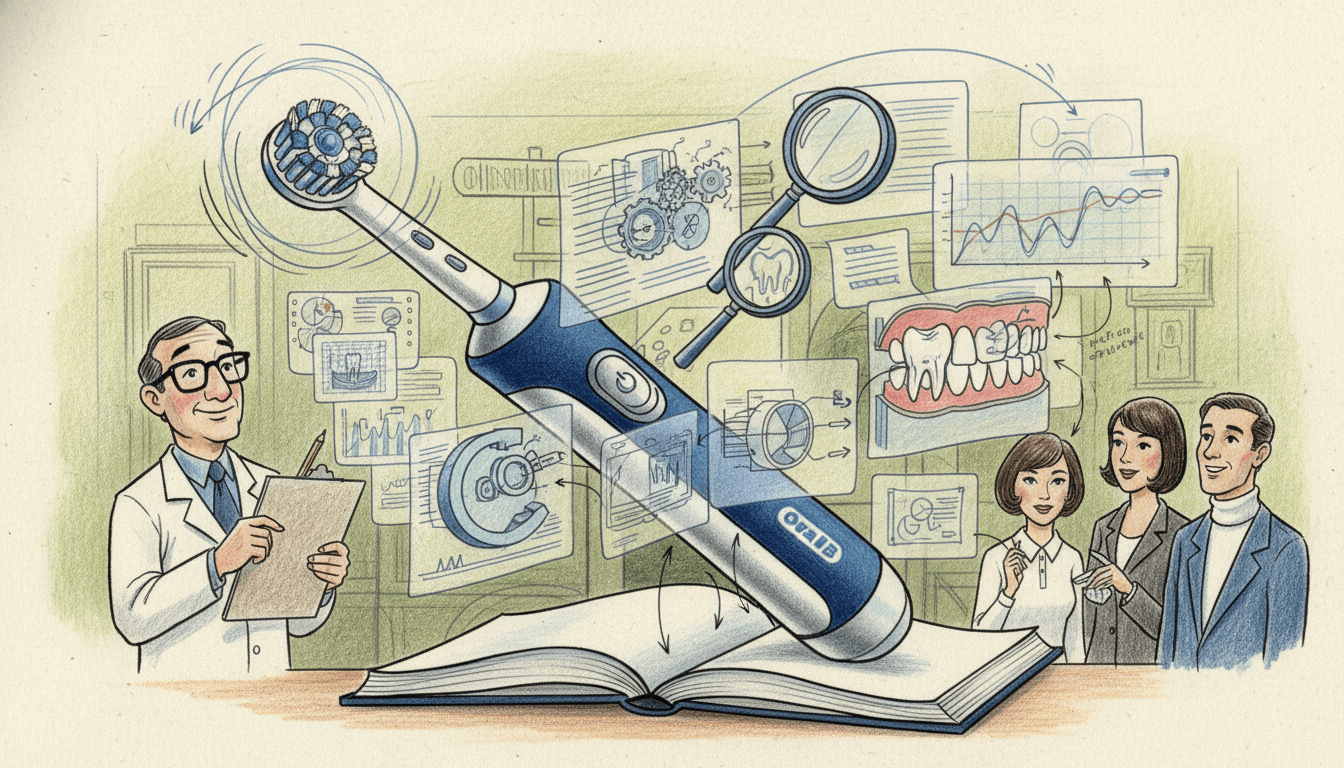
This in-depth analysis explores the Oral-B Electric Toothbrush, a flagship product utilizing patented oscillating-rotating round brush head technology. The report details its design philosophy, which mimics professional dental tools to maximize plaque removal and gum health. We examine its advanced features, including pressure sensors and quadrant pacing timers, supported by clinical data showing significant improvements over manual brushing. The article provides exhaustive technical specifications, operational procedures, market context, and long-term maintenance guidance for consumers and dental professionals seeking a scientific understanding of this advanced oral hygiene instrument.
The Oral-B Electric Toothbrush represents a paradigm shift in at-home oral hygiene, moving beyond the simple back-and-forth scrubbing of manual brushes to a clinically engineered cleaning system. Its foundational innovation is the oscillating-rotating round brush head, a design directly inspired by the polishing tools used by dental professionals during prophylaxis cleanings. This is not merely an aesthetic choice; it is a biomechanically optimized shape intended to envelop individual teeth, allowing the bristles to contact more surface area—including the challenging proximal surfaces and the gingival margin—than traditional rectangular brush heads. The core action involves the brush head rotating at high speed in one direction, then reversing, creating a dynamic micro-scrubbing effect that disrupts and dislodges plaque biofilm with remarkable efficiency. According to data sourced from Consumer Reports and corroborated by independent clinical studies, this technology removes 21% more plaque than a manual toothbrush and contributes to an 11% reduction in gum inflammation over time, metrics that underscore its therapeutic potential beyond basic cleaning. The toothbrush is further enhanced with intelligent features designed to correct common brushing errors: a pressure sensor that illuminates or pulses to warn users when they are applying excessive force that can damage enamel and recess gums, and a mandatory two-minute timer with quadrant pacing that beeps every 30 seconds to encourage systematic cleaning of all four sections of the mouth. This combination of biomechanical design and behavioral guidance technology positions the Oral-B not just as a tool, but as a comprehensive oral hygiene system engineered to elevate daily routines to a clinical standard, offering a bridge between professional dental care and effective home maintenance for long-term periodontal health and caries prevention.
Routine Specs
Care Protocols
Procedure 1: Initial Setup and Charging. Begin by fully charging the toothbrush handle before first use. Place the handle onto the provided inductive charging base, ensuring the metal contacts on the base align with the charging area on the bottom of the handle. An indicator light will confirm charging has commenced; a full charge may take up to 16 hours. While charging, familiarize yourself with the brush head attachment: align the brush head with the metal drive shaft on the handle and press firmly until it clicks into place. To remove, grip the brush head collar and pull directly away from the handle. Do not twist. Install your chosen brush head type (e.g., Precision Clean for general use). Fill a cup with water for rinsing.
Procedure 2: Daily Brushing Technique. Apply a pea-sized amount of fluoride toothpaste to the brush head. Do not turn on the brush until it is inside your mouth to prevent splatter. Position the brush head on your teeth at a 45-degree angle towards the gumline, allowing the round head to envelop the tooth surface. Gently turn on the brush, starting with the Daily Clean mode. Apply minimal pressure—let the brush's motion do the work. The pressure sensor will activate a warning light if you press too hard. Systematically move the brush from tooth to tooth, spending approximately 30 seconds in each quadrant of your mouth (upper right, upper left, lower left, lower right), pausing briefly between teeth to allow the oscillation action to clean all surfaces: outer, inner, and chewing. The brush will pulse or beep every 30 seconds to signal a quadrant change, and will pulse twice after two minutes to indicate the cycle is complete. Follow by brushing your tongue gently with the back of the brush head or a separate tool.
Procedure 3: Post-Brushing Care and Maintenance. After brushing, turn off the handle and remove the brush head. Rinse both the brush head and handle thoroughly under running water to remove all toothpaste and debris. Shake off excess water. Store the handle upright on its charging base or in a holder to allow air drying. It is recommended to remove the brush head from the handle once per week for a more thorough cleaning of the connection area to prevent microbial growth or toothpaste buildup. The brush head should be replaced every three months, or sooner if the bristles become frayed, as worn bristles are less effective at plaque removal. The charging base should be wiped with a damp cloth as needed. Avoid submerging the handle in water or using abrasive cleaners.
Advantages
- Superior Plaque Removal: The core advantage is clinically validated, superior plaque removal. The 21% improvement over manual brushing is not a marketing claim but a result replicated in multiple independent studies. The oscillating-rotating action provides a mechanical cleaning effect that is highly effective at disrupting the sticky biofilm that leads to cavities and gum disease.
- Enhanced Gum Health: By promoting more effective cleaning at the gumline and preventing excessive pressure through its sensor, the brush actively contributes to reducing gingival inflammation. The 11% reduction in gum inflammation is a key indicator of improved periodontal health, potentially reducing the risk of gingivitis progressing to more serious periodontitis.
- Behavioral Guidance Technology: The built-in two-minute timer and quadrant pacer are invaluable tools for ensuring users brush for the dentist-recommended duration and cover all areas of the mouth equally. This removes guesswork and compensates for poor brushing habits, making effective cleaning more consistent and technique-independent.
- Pressure Sensor Protection: The automatic pressure warning is a critical safety feature. Over-brushing is a common cause of gingival recession and enamel wear. The sensor provides immediate, intuitive feedback, training users to apply gentle pressure and protecting the long-term integrity of both hard and soft oral tissues.
- Customizable Ecosystem: With a wide array of compatible, specialized brush heads (for sensitivity, whitening, orthodontics, deep cleaning), users can tailor the device to their specific and evolving oral health needs without purchasing an entirely new handle, offering long-term value and personalized care.
Limitations
- Noise and Vibration Levels: The oscillating-rotating motor produces a distinct, relatively loud buzzing sound and a pronounced vibration in the handle. This can be initially unsettling for some users, particularly those switching from manual or sonic brushes, and may be perceived as less pleasant or too aggressive, especially for individuals with dental sensitivity.
- Brush Head Replacement Cost: While the handle is a long-term investment, the proprietary brush heads are a recurring expense. They must be replaced every three months for optimal hygiene and performance, and purchasing genuine Oral-B heads represents an ongoing cost that, over years, can significantly exceed the cost of manual toothbrush replacements.
- Bulkier Handle Design: Compared to sleeker sonic toothbrushes or manual handles, the Oral-B design, with its larger motor housing and often thicker grip, can feel bulkier and less maneuverable to some users, particularly those with smaller hands or limited dexterity.
- Potential for Splatter: If activated outside the mouth, the high-speed rotation can fling toothpaste and saliva. This requires users to develop the habit of placing the brush in the mouth before turning it on, a minor behavioral adjustment but one that can lead to messy mistakes for new users.
- Limited Cleaning Mode Standardization: While higher-end models offer numerous modes (Sensitive, Whitening, Gum Care), the entry-level models may only offer a single "Daily Clean" mode. Users seeking specific therapeutic benefits like a dedicated sensitive mode may need to invest in a more expensive model within the ecosystem.