Review
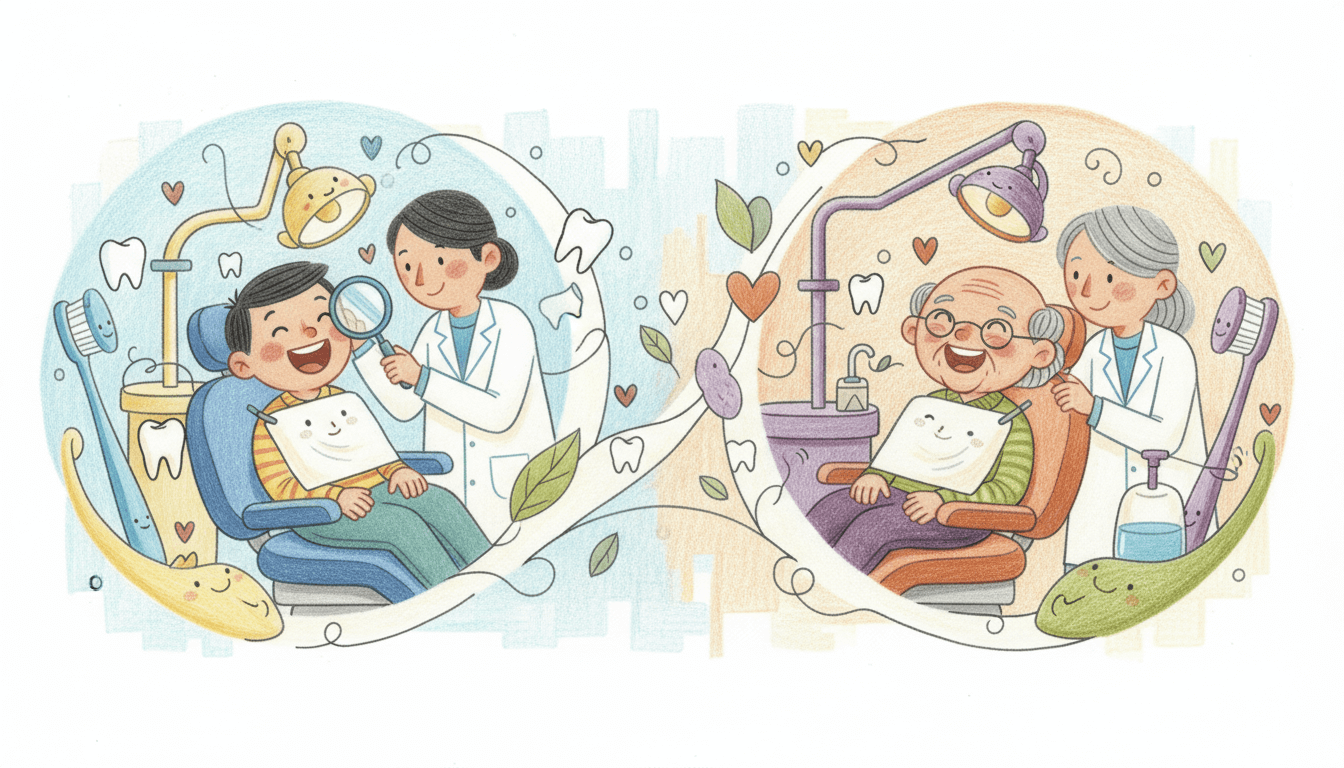
Pediatric oral care begins with the eruption of the first tooth, typically around 6 months, and requires age-appropriate strategies. For infants, use a soft-bristled brush and water twice daily, avoiding fluoride toothpaste until age 2 to prevent fluorosis. The American Academy of Pediatric Dentistry recommends the first dental visit by age 1, with data showing early education reduces cavity incidence by 40%. Common challenges include early childhood caries (ECC), affecting nearly 23% of children aged 2-5, often due to sugary diets and poor brushing habits. Preventive measures like dental sealants on molars can reduce decay risk by 80%, and fluoride varnish applications every 3-6 months are crucial. For school-aged children, supervised brushing with pea-sized fluoride toothpaste, flossing instruction, and dietary counseling to limit snacking are key. Orthodontic assessments by age 7 help identify issues like malocclusion, impacting 30-40% of kids. Behavioral techniques, such as positive reinforcement and using flavored toothpaste, improve compliance. Geriatric oral health management addresses age-related conditions like xerostomia (dry mouth), prevalent in 30% of seniors due to medications or systemic diseases. This increases caries and gum disease risk, with periodontitis affecting over 60% of adults over 65. Tooth loss, averaging 12 missing teeth in seniors, necessitates denture care or implants, requiring daily cleaning and regular adjustments. Systemic links include diabetes, which raises periodontal disease risk threefold, and cardiovascular issues. Strategies include soft-bristled brushes for sensitive gums, electric toothbrushes for arthritis, and antimicrobial mouth rinses. Nutrition focus on calcium and vitamin D supports bone health, while regular dental check-ups every 6 months detect oral cancers early, with 53,000 new cases annually in the U.S. Caregiver education is vital for dependent seniors, emphasizing gentle brushing and hydration. Both groups benefit from tailored interventions: pediatric care builds lifelong habits, reducing adult dental problems, while geriatric care maintains function and prevents complications, enhancing overall well-being. The National Dental Research Institutes stress that specialized approaches, including community programs and teledentistry, improve access and outcomes across age spectra.