Understanding Oral Bacteria and Plaque: A Comprehensive Guide to Dental Ecosystem Management
The human oral cavity hosts millions of bacteria within a complex biofilm ecosystem. Dental plaque, a sticky bacterial accumulation along gum lines, poses significant risks including tooth decay, gingivitis, and potential systemic health complications when improperly managed. This comprehensive guide examines plaque formation mechanisms, identifies harmful bacterial species like Streptococcus mutans, and details evidence-based prevention strategies including twice-daily brushing with fluoride toothpaste, interdental cleaning, and biannual professional cleanings. Understanding these biological processes empowers individuals to maintain optimal oral health through consistent hygiene practices and professional dental care.
6 min read91.9k
4.8
DentalCareBest Editorial Team
2025-10-05
4754 helpful
Comprehensive Analysis of Oral Microbiome and Plaque Management
Review
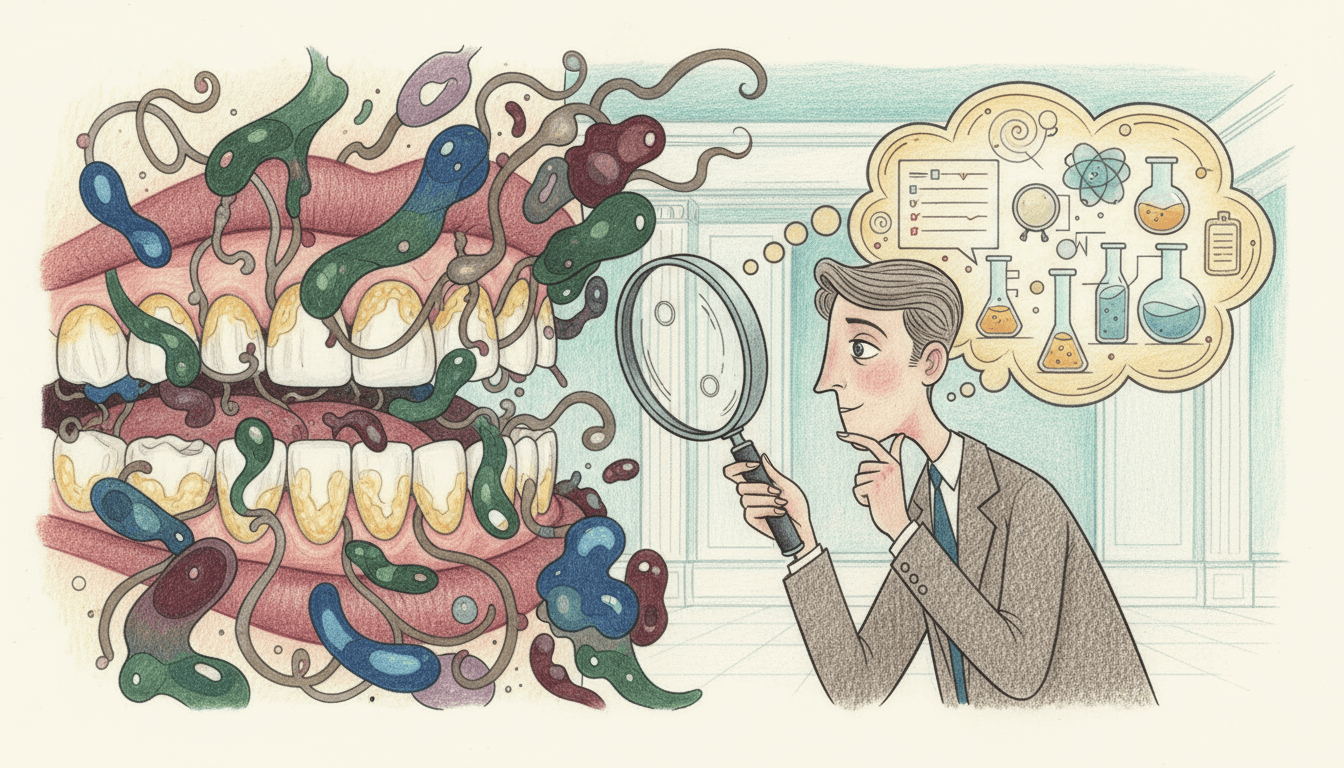
The human oral cavity constitutes a remarkably diverse ecosystem containing over 700 bacterial species, with estimates suggesting approximately 6 billion microorganisms inhabiting a typical mouth. This complex microbial community exists in dynamic equilibrium, with both symbiotic relationships that benefit oral health and pathogenic interactions that threaten it. Dental plaque represents a structured biofilm that begins forming within minutes after cleaning through the adsorption of salivary proteins to tooth surfaces, creating the acquired pellicle. Initial colonizers like Streptococcus sanguinis adhere to this pellicle, subsequently enabling secondary colonization by more pathogenic species including Streptococcus mutans and Porphyromonas gingivalis. Mature plaque biofilms demonstrate sophisticated architecture with fluid channels and specialized bacterial communities that enhance resistance to antimicrobial agents. The metabolic activities of cariogenic bacteria like S. mutans produce organic acids from fermentable carbohydrates, creating localized pH drops below 5.5 that demineralize tooth enamel and initiate caries formation. Periodontal pathogens including P. gingivalis and Tannerella forsythia produce virulence factors that trigger inflammatory responses, potentially leading to gingivitis progression to periodontitis with associated connective tissue destruction and alveolar bone resorption. Emerging research indicates oral pathogens and inflammatory mediators may enter systemic circulation, potentially contributing to cardiovascular disease, diabetes complications, and adverse pregnancy outcomes. Effective plaque control requires mechanical disruption through proper brushing technique with soft-bristled toothbrushes and fluoride toothpaste, ideally following the modified Bass method with 45-degree angle placement at the gingival margin. Interdental cleaning remains equally crucial, with dental floss removing approximately 80% of proximal plaque and interdental brushes effectively cleaning wider embrasure spaces. Chemical adjuncts including antimicrobial mouthwashes with chlorhexidine or essential oils provide supplementary reduction of bacterial load, though cannot substitute mechanical cleaning. Professional dental cleanings every six months enable removal of calcified plaque (calculus) and comprehensive periodontal assessment. Dietary modifications reducing frequency of fermentable carbohydrate exposure and sugar-containing beverages further minimize caries risk. Salivary function serves as a critical protective factor through mechanical cleansing, acid buffering capacity, and antimicrobial components including lysozyme and lactoperoxidase. Xerostomia patients demonstrate significantly elevated caries susceptibility, highlighting the importance of hydration and potential saliva substitutes. Current evidence supports the use of fluoride products for enamel remineralization, pit and fissure sealants for caries prevention, and regular periodontal probing to monitor gum health. Individual risk assessment should guide personalized prevention strategies considering factors including medical history, medication use, and existing restorations. Technological advances in electric toothbrushes with pressure sensors and timers, water flossers, and plaque-disclosing agents enhance home care efficacy. Patient education regarding the biological basis of oral diseases fosters improved adherence to recommended practices, ultimately supporting long-term oral health preservation and minimizing risks of both local and systemic complications associated with untreated dental plaque and pathogenic oral bacteria.
Would Recommend