Professional Dental Care and Preventive Strategies: A Comprehensive Guide to Lifelong Oral Health
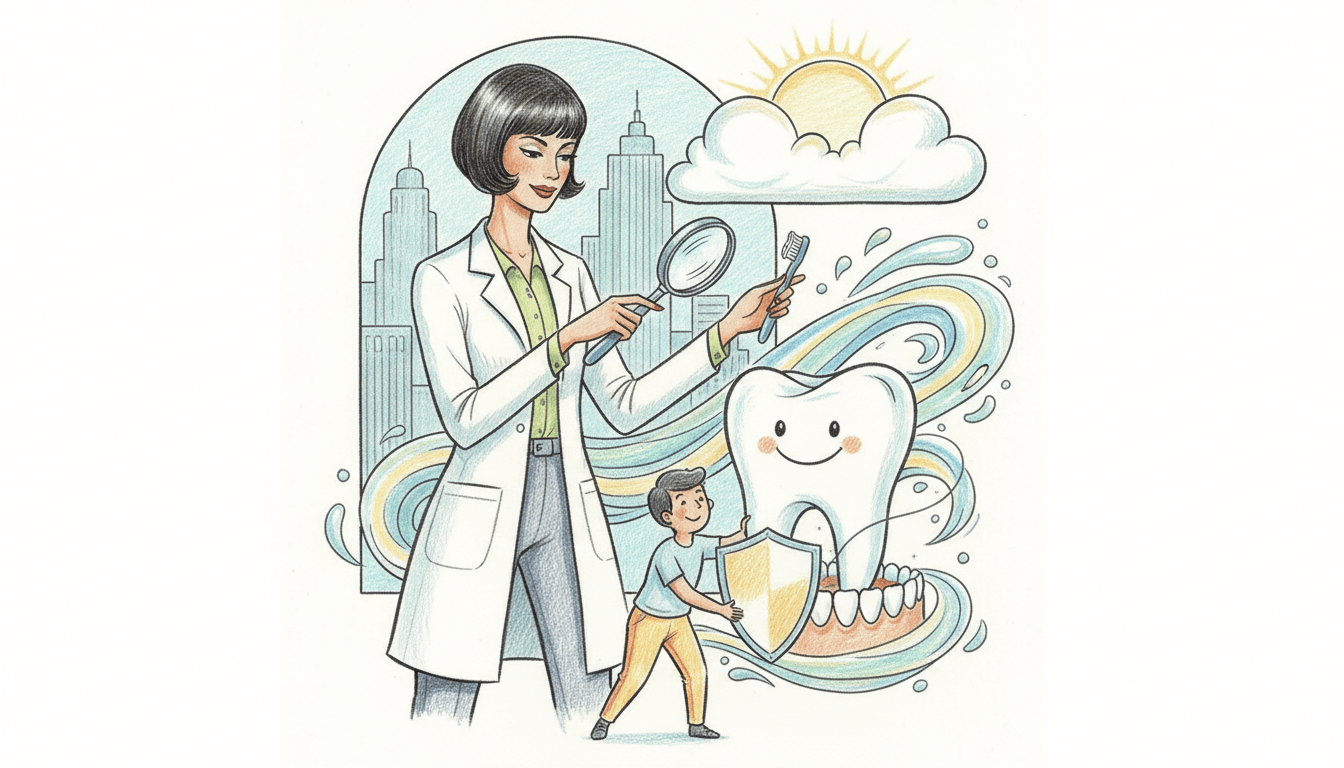
This definitive guide explores the critical importance of professional dental care and advanced preventive strategies that extend far beyond home hygiene. It details the science and protocols behind routine check-ups, professional cleanings, early detection screenings, and personalized treatment planning. Drawing on authoritative data, the article provides an exhaustive examination of how structured professional interventions can prevent disease, preserve natural dentition, and contribute to overall systemic health, offering a long-term roadmap for optimal oral wellness.
Oral health is a cornerstone of overall well-being, yet it is often relegated to a secondary concern until discomfort or disease manifests. While diligent home care—brushing, flossing, and using mouthwash—forms the essential first line of defense, it is inherently limited. The transition from personal maintenance to professional oversight represents a fundamental shift from reactive to proactive health management. This article, grounded in data from the American Dental Association, serves as a deep-dive exploration into the world of professional dental care and sophisticated preventive strategies. We will move beyond the simplistic notion of 'seeing the dentist when something hurts' and instead build a compelling case for dentistry as a predictive, preventive medical discipline. The journey encompasses the meticulous science of professional cleanings, the life-saving potential of early detection protocols, the application of evidence-based preventive treatments, and the creation of truly personalized care plans. This is not merely about avoiding cavities; it is about understanding the oral-systemic connection, preserving function and aesthetics for decades, and making informed decisions that invest in long-term health. The following sections will dissect each component, providing the depth and technical understanding necessary to become an empowered partner in your own oral health journey.
The Non-Negotiable Imperative of Regular Dental Check-Ups
The American Dental Association's recommendation for a dental visit every six months for most adults is not an arbitrary schedule but a scientifically-informed interval designed to intercept pathology before it becomes symptomatic, complex, and costly. A professional check-up is a multi-faceted diagnostic event far surpassing a casual look in the mouth. It begins with a comprehensive visual and tactile examination of every tooth surface, existing restorations (fillings, crowns), and the periodontal tissues. Dentists and hygienists are trained to identify the earliest signs of demineralization—the white spot lesions that precede cavities—which are often invisible to the untrained eye. The periodontal examination, involving gentle probing to measure pocket depths around each tooth, is critical for detecting gingivitis and periodontitis, diseases that can progress silently, destroying the bone that supports teeth. The six-month frequency is calibrated to the typical progression rates of common dental diseases like caries and gingivitis, creating a surveillance net that catches issues while they are still reversible or easily manageable. For individuals with specific risk factors—such as a history of rapid decay, diabetes, tobacco use, or a compromised immune system—this interval may be shortened to three or four months. Conversely, a very low-risk patient with impeccable home care and genetics might be placed on a 9-12 month recall, though this is a clinical decision, not a default. The check-up also includes an assessment of occlusion (bite), screening for oral habits like clenching or grinding (bruxism) that cause excessive wear, and an evaluation of oral soft tissues for any abnormalities. Skipping these appointments dismantles this early-warning system, allowing minor issues to escalate. A small cavity that could be treated with a simple filling in six months can, if left for two years, progress to involve the tooth's nerve, necessitating a root canal and crown—procedures that are more invasive, time-consuming, and expensive by an order of magnitude. Thus, the biannual check-up is the most cost-effective and health-preserving investment in the dental care continuum.
The Science and Art of Professional Cleaning and Calculus Removal
Professional dental cleaning, or prophylaxis, is a therapeutic procedure that addresses a limitation intrinsic to all home care: the formation of calculus (tartar). Calculus is dental plaque that has mineralized, becoming a hard, cement-like deposit that firmly adheres to tooth surfaces, particularly near the gumline and between teeth. Once formed, it cannot be removed by brushing or flossing; it requires professional intervention with specialized instruments. The presence of calculus is detrimental for two primary reasons. First, its rough surface provides an ideal scaffold for further plaque accumulation, perpetuating a cycle of inflammation and infection. Second, and more critically, it houses pathogenic bacteria at or below the gumline, which release toxins that trigger the body's inflammatory response, leading to the breakdown of the periodontal ligament and alveolar bone—the foundation of the teeth. This process is periodontitis, a leading cause of tooth loss in adults. The professional cleaning process is methodical. It typically begins with an ultrasonic scaler, which uses high-frequency vibrations and a cooling water spray to efficiently break up and flush away large deposits of supragingival (above the gum) calculus. Following this, hand instruments called scalers and curettes are used for finer scaling. These are precisely designed with sharp edges to conform to the unique contours of tooth roots, allowing the clinician to meticulously remove subgingival (below the gum) calculus and plaque from periodontal pockets without damaging the soft tissue. This subgingival debridement is crucial for managing periodontal health. After scaling, the teeth are polished with a mildly abrasive paste and a rotating rubber cup or brush. This polishing removes residual stain and creates a smooth, plaque-resistant surface. The procedure concludes with a thorough flossing to ensure interproximal areas are clean. For patients with periodontal disease, a more extensive procedure called scaling and root planing (a 'deep cleaning') is performed, often under local anesthesia, to thoroughly clean the root surfaces. The long-term outlook of regular professional cleanings is profound: they are the single most effective clinical procedure for preventing periodontitis and maintaining a stable periodontal environment, thereby preserving natural dentition for a lifetime.
Early Detection: The Cornerstone of Proactive Oral Health Management
The adage 'prevention is better than cure' finds its ultimate expression in the early detection capabilities of modern dentistry. The oral cavity is a unique environment where early signs of both localized and systemic diseases can often be visualized directly, offering a critical window for intervention. Early detection is not a single test but a layered protocol integrated into every comprehensive examination. It begins with the visual and tactile soft tissue exam for oral cancer. The dentist systematically inspects the lips, cheeks, palate, tongue, floor of the mouth, and throat for any red or white patches, ulcers, lumps, or changes in texture. Any suspicious lesion can be monitored or biopsied. The survival rate for oral cancer is highly dependent on the stage at diagnosis; early-stage detection can increase five-year survival rates from approximately 60% to over 80%. Radiographic imaging is another pillar of early detection. Bitewing x-rays, typically taken annually, reveal cavities between teeth (interproximal caries) long before they are visible to the eye or cause sensitivity. They also show the level of the bone supporting the teeth, allowing for early diagnosis of bone loss from periodontitis. Panoramic or periapical x-rays can reveal issues like impacted teeth, cysts, abscesses at the root tips, or bone abnormalities. For patients at high risk of decay, technologies like laser fluorescence devices (e.g., DIAGNOdent) can detect demineralization at a microscopic level, even in the pits and fissures of teeth. Early detection also extends to functional issues. Signs of bruxism—such as flattened tooth cusps, cracked enamel, or hypertrophied jaw muscles—are identified early, leading to the prescription of a night guard to prevent irreversible wear, broken teeth, and temporomandibular joint (TMJ) disorders. Similarly, early interceptive orthodontic assessments in children can guide jaw growth and tooth eruption, potentially avoiding more extensive braces later. The long-term benefit of this vigilant surveillance is a shift from restorative dentistry (fixing problems) to truly preventive care, preserving maximum tooth structure, minimizing discomfort, and reducing lifetime dental expenditure significantly.
Advanced Preventive Treatments: Fluoride and Sealants as Protective Armor
Beyond the diagnostic and cleaning functions, professional dental visits provide access to powerful, evidence-based preventive treatments that fortify teeth against disease. The two most prominent are professional fluoride applications and dental sealants, each targeting a different vulnerability. Professional fluoride treatments involve the application of a high-concentration fluoride gel, foam, or varnish to the teeth after cleaning. While fluoride in toothpaste and water provides a baseline benefit, professional applications deliver a much higher dose, which promotes a process called remineralization. When acid from plaque bacteria attacks enamel, it leaches out calcium and phosphate ions (demineralization). Fluoride, absorbed into the enamel crystal structure, forms a more acid-resistant compound called fluorapatite. Furthermore, fluoride present in saliva can attract calcium and phosphate ions back to the weakened area, effectively repairing the early damage before a cavity forms. This is particularly crucial for adults at increased risk of decay, such as those with dry mouth, gum recession exposing root surfaces (which decay more easily), or a history of radiation therapy to the head/neck. Dental sealants, on the other hand, are a mechanical barrier. They are thin, plastic coatings painted onto the chewing surfaces of the back teeth (molars and premolars), which are riddled with deep pits and fissures that are notoriously difficult to clean. Even the most diligent brushing cannot always remove plaque from these microscopic grooves. A sealant flows into these fissures and is hardened with a curing light, creating a smooth, impermeable surface that blocks out food particles and bacteria. The procedure is quick, painless, and non-invasive, requiring no drilling. While often associated with children and adolescents as soon as their permanent molars erupt, sealants are increasingly recommended for adults with deep, caries-susceptible fissures or early signs of pit-and-fissure decay. The long-term outlook for these treatments is excellent. Studies show that sealants can reduce the risk of decay in treated surfaces by nearly 80% for up to two years and continue to be effective for several years after. Combined, fluoride and sealants represent a powerful one-two punch: fluoride strengthens the entire enamel surface chemically, while sealants provide physical protection to the most vulnerable anatomical sites.
Crafting a Personalized Dental Care Plan: Beyond the One-Size-Fits-All Approach
The culmination of a professional dental visit is not merely a receipt for services rendered, but the formulation or refinement of a Personalized Dental Care Plan (PDCP). This plan moves decisively away from generic advice and tailors every aspect of care to the individual's unique biological landscape, lifestyle, and risk profile. The creation of a PDCP begins with a comprehensive risk assessment. The dentist evaluates a matrix of factors: biological (genetic predisposition to decay or gum disease, saliva quality and quantity, immune status), behavioral (dietary habits, especially frequency of sugar/acid intake, tobacco and alcohol use, oral hygiene efficacy), and clinical (history of past decay, current periodontal status, presence of dry mouth, existing restorations). For instance, a patient with a genetic predisposition to periodontitis, who smokes, will be placed in a high-risk category requiring more frequent cleanings and more aggressive monitoring. The PDCP translates this assessment into specific, actionable recommendations. It dictates the ideal recall interval (3, 4, 6, or 12 months). It specifies the type of preventive treatments needed, such as prescription-strength fluoride toothpaste for home use or in-office fluoride varnish applications. It provides customized oral hygiene instruction, perhaps recommending an electric toothbrush with a pressure sensor for a patient who brushes too hard, or a specific type of interdental cleaner (floss, picks, or water flosser) based on the spacing between their teeth. For a patient with bruxism, the plan includes fabricating an occlusal guard. It also sets goals, such as improving plaque scores by the next visit or stabilizing a specific periodontal pocket. The plan is dynamic, evolving as the patient's risk factors change—for example, with a new medical diagnosis or medication that causes dry mouth. The long-term outlook of adhering to a well-crafted PDCP is the optimization of oral health outcomes. It transforms the patient from a passive recipient of care into an active, informed participant. This collaborative model ensures that resources (time, money, clinical effort) are focused precisely where they are needed most, maximizing efficiency and effectiveness. It is the ultimate expression of precision medicine in dentistry.
The Oral-Systemic Connection: Why Professional Care Impacts Whole-Body Health
Modern dentistry no longer views the mouth as an isolated system. A robust body of research has cemented the concept of the oral-systemic connection, revealing that the health of the mouth is intimately linked to the health of the entire body. Chronic inflammation and infection in the oral cavity, particularly from untreated periodontal disease, can have far-reaching systemic consequences. This understanding elevates professional preventive care from a cosmetic or comfort concern to a critical component of general health maintenance. The primary mechanism linking oral and systemic health is bacteremia and inflammatory mediators. In periodontitis, the inflamed gum tissue surrounding the teeth develops ulcerated pockets. This creates a large, chronic wound surface area—in a severe case, equivalent to the size of the palm of a hand—through which pathogenic oral bacteria and their toxins, as well as the body's own inflammatory cytokines (like CRP, IL-6, TNF-α), can enter the bloodstream. This chronic low-grade bacteremia and systemic inflammation is a burden on the entire body. The associations are well-documented. Periodontal disease is recognized as a risk factor for cardiovascular diseases, including atherosclerosis, heart attack, and stroke. The theory is that oral bacteria and inflammatory products contribute to the formation and instability of arterial plaques. There is a bidirectional relationship with diabetes: severe periodontitis can make glycemic control more difficult, and poorly controlled diabetes increases the risk and severity of periodontitis. Pregnant women with periodontitis have a higher risk of preterm birth and low birth weight babies, likely due to the inflammatory response. Associations with respiratory diseases (like pneumonia), rheumatoid arthritis, and even cognitive decline are also under investigation. Professional dental care directly mitigates these risks. Regular cleanings and periodontal therapy reduce the bacterial load and chronic inflammation at its source. By controlling oral infection, we potentially lower the systemic inflammatory burden. This makes the dental hygienist and periodontist key players in a patient's interdisciplinary healthcare team. The long-term outlook is a paradigm where medical and dental records are integrated, and a referral from a cardiologist to a periodontist becomes as standard as a referral to a nutritionist. Professional preventive dentistry, therefore, is an investment not just in a healthy smile, but in a healthier heart, better-managed diabetes, and a healthier pregnancy.
Key Takeaways
FAQs
I brush and floss perfectly twice a day. Do I really need professional cleanings every six months?
Yes, absolutely. Even with impeccable technique, most people have areas that are difficult to clean thoroughly, and plaque can mineralize into calculus (tartar) in as little as 24-72 hours in some individuals. Calculus cannot be removed by brushing or flossing; it requires professional scaling instruments. Furthermore, the check-up portion of the visit is for early detection of issues you cannot see or feel, like cavities between teeth, early gum disease, or oral cancer signs. It is a diagnostic and therapeutic necessity, not a reflection on your home care.
Are dental x-rays at check-ups safe? I'm concerned about radiation.
Modern digital dental x-rays emit extremely low levels of radiation. The radiation exposure from a full set of bitewing x-rays is approximately 0.005 mSv, which is less than the daily background radiation we all receive from the environment (about 0.008 mSv per day). To put it in perspective, the radiation from a dental x-ray is about the same as the exposure from a short airplane flight. The benefit of detecting hidden decay, bone loss, infections, or tumors at their earliest, most treatable stages far outweighs this minimal risk. Dentists also use lead aprons and thyroid collars as standard practice for further protection.
What is the difference between a regular cleaning and a 'deep cleaning' (scaling and root planing)?
A regular cleaning (prophylaxis) is for patients with healthy gums or mild gingivitis (inflammation without bone loss). It focuses on removing plaque and calculus from above and slightly below the gumline. A 'deep cleaning,' or scaling and root planing, is a therapeutic procedure for patients diagnosed with periodontitis, where inflammation has caused bone loss and deeper pockets (typically 4mm or more) around the teeth. It involves meticulous cleaning of the root surfaces within these pockets to remove bacterial toxins and smooth the root to help the gum tissue reattach. It is often done in sections under local anesthesia and is followed by more frequent periodontal maintenance cleanings (usually every 3-4 months).
I'm an adult. Are dental sealants only for kids?
No, dental sealants can be beneficial for adults as well. The recommendation is based on caries risk and tooth anatomy, not age. If an adult has deep, susceptible pits and fissures on their molars or premolars that are prone to trapping food and plaque, or if they show early signs of decay in those grooves, sealants are a highly effective preventive measure. The procedure is the same: quick, painless, and non-invasive. Your dentist can assess if you are a good candidate during your examination.
How does my dentist create a 'personalized' care plan for me?
Your dentist and hygienist conduct a comprehensive risk assessment by reviewing your medical and dental history, examining your teeth and gums, taking necessary x-rays, and discussing your habits (diet, oral hygiene, tobacco/alcohol use). They evaluate factors like saliva flow, past history of decay, current gum health, and any systemic conditions (like diabetes). This matrix of information places you in a risk category (low, moderate, high, or extreme) for cavities and gum disease. The care plan—including how often you should come in, what type of cleanings you need, whether you require preventive fluoride or sealants, and what specific home care tools you should use—is then tailored directly to that risk profile.
My insurance only covers two cleanings a year. My dentist says I need four due to gum disease. What should I do?
You should follow your dentist's clinical recommendation, not your insurance plan's arbitrary limit. Insurance policies are contracts designed to share costs for basic care; they are not diagnostic tools or treatment planners. Needing more frequent cleanings (periodontal maintenance) is a medical necessity if you have active or a history of periodontal disease to control infection and prevent further bone loss. While you may have to pay out-of-pocket for the additional visits, consider it a critical investment in preserving your teeth and avoiding far more expensive treatments like gum surgery or tooth loss. Discuss payment plans with your dental office.
What exactly happens during an oral cancer screening?
The screening is a visual and tactile (touch) examination that takes just a few minutes. Your dentist will look and feel for any abnormalities inside your mouth. You'll be asked to stick out your tongue so it can be checked on all sides. The dentist will gently feel the floor of your mouth and your jawline. They will check the insides of your cheeks and lips, your palate (roof of your mouth), and the back of your throat. They are looking for red or white patches, sores that don't heal, lumps, thickening tissues, or rough spots. If anything suspicious is found, they may recommend monitoring it for a short period or performing a simple biopsy for definitive diagnosis.
Can professional dental care actually help with conditions like heart disease or diabetes?
Emerging and substantial research indicates yes, through the management of the oral-systemic link. Chronic periodontal disease is a source of persistent inflammation and bacteria that can enter the bloodstream. By effectively treating gum disease through professional cleanings and therapy, you reduce this systemic inflammatory burden. Studies have shown that periodontal treatment can lead to improved endothelial function (blood vessel health) and modest improvements in glycemic control in diabetic patients. While dental care is not a substitute for medical treatment by a physician, it is a vital complementary component of managing overall health for individuals with these conditions.
What if I have a great fear of the dentist? Are there options for me?
Absolutely. Modern dentistry prioritizes patient comfort. The first step is to communicate your fears openly with your dental team. Many practices offer 'tell-show-do' techniques, where they explain every step before and during the procedure. For more significant anxiety, options include nitrous oxide ('laughing gas') sedation, which helps you relax while remaining conscious. Oral conscious sedation involves taking a prescribed medication before your appointment. For extensive treatment or extreme phobia, treatment under intravenous (IV) sedation or general anesthesia in a hospital or surgical setting is possible. The key is to find a dentist who listens and offers these options so you can get the essential care you need.
Guide Conclusion
Professional dental care, anchored in regular check-ups, evidence-based cleanings, vigilant early detection, and advanced preventive treatments, is the indispensable foundation upon which lifelong oral health is built. It represents a proactive partnership between you and your dental team, moving far beyond reactive repairs. By embracing the personalized care plan crafted from your unique risk profile, you invest not only in the preservation of your natural smile but also in your broader systemic well-being. The data is unequivocal: the modest, consistent investment of time and resources in professional preventive strategies yields exponential returns in the form of avoided pain, complex procedures, and significant financial outlay over a lifetime. Let this guide serve as a roadmap to empower you to make informed decisions, ask the right questions, and prioritize your dental health as a critical component of your overall health strategy. Schedule your next appointment, engage actively in your care, and commit to the path of prevention—it is the wisest and most rewarding choice you can make for your smile and your health.