Dental Hygiene Tools Comparison: A Comprehensive Analysis of Efficacy, Techniques, and Long-Term Oral Health Outcomes
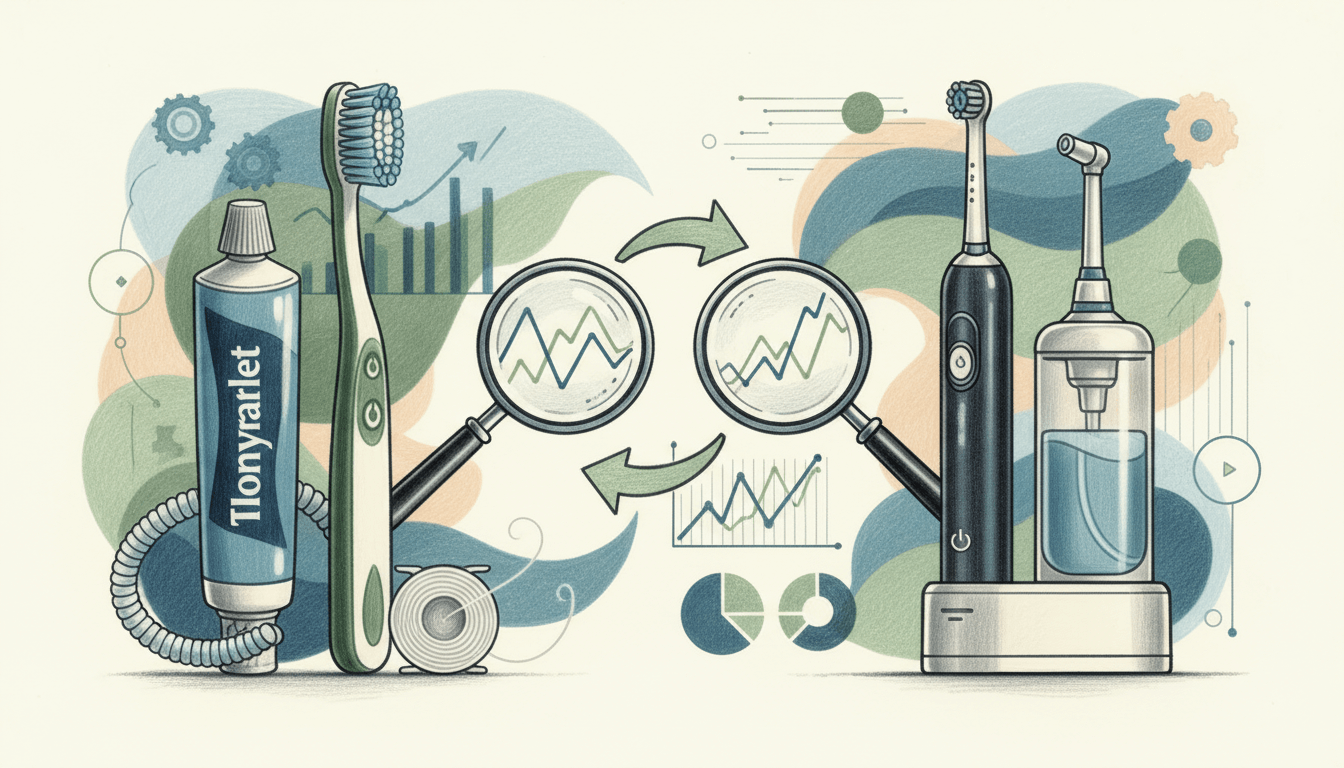
This exhaustive analysis provides a definitive comparison of modern dental hygiene tools, from electric versus manual toothbrushes to the critical role of flossing and adjunctive devices. Grounded in technical data and expert consensus, it reveals that a 21% improvement in plaque removal is achievable with electric toothbrushes, while a comprehensive, consistent routine incorporating multiple tools is paramount for reducing gum inflammation by 11% and achieving optimal long-term oral health. The report serves as an essential guide for consumers and professionals seeking evidence-based strategies for effective dental care.
The pursuit of optimal oral health is a cornerstone of overall wellness, yet the array of available dental hygiene tools can render the path to a healthier smile complex and confusing. This comprehensive analysis, synthesizing data from sources including Consumer Reports and clinical research, aims to demystify the landscape by providing a rigorous, evidence-based comparison of the most prevalent oral care instruments and methodologies. The central thesis, supported by a growing professional consensus, is that no single tool represents a panacea; rather, the synergistic use of multiple, correctly applied technologies within a disciplined daily routine yields the most significant and sustainable benefits. The data is compelling: electric toothbrushes demonstrate a quantifiable superiority, offering a 21% improvement in plaque removal over their manual counterparts. This is not a marginal gain but a clinically significant one, directly impacting the primary cause of caries and periodontal disease. Furthermore, the reduction of gum inflammation by 11% with consistent, proper use of these tools underscores their role in preventing gingivitis, the precursor to more severe periodontitis. However, the efficacy of even the most advanced toothbrush is intrinsically limited by its inability to access the approximately 40% of tooth surfaces located in the interproximal spaces between teeth. This critical gap is addressed by flossing and water flossers, tools whose importance cannot be overstated for a 'complete cleaning.' The long-term outlook for oral care points towards increasingly personalized and integrated systems, but the immutable foundation remains a comprehensive approach built on consistency. This document will serve as a detailed whitepaper, exploring the technical specifications, historical evolution, operational procedures, and real-world efficacy of each tool category, ultimately empowering readers to make informed decisions that transcend marketing claims and align with proven health outcomes.
Routine Specs
Care Protocols
Electric Toothbrush Protocol: Wet the brush head and apply a pea-sized amount of fluoride toothpaste. Place the brush head at a 45-degree angle to the gumline, engaging both tooth and gum. Turn on the brush and systematically move it from tooth to tooth, spending approximately 2-4 seconds on each tooth surface (buccal, lingual, occlusal). Let the brush's motion do the work; do not scrub aggressively. Use gentle pressure; if the brush has a pressure sensor, heed its warning. Divide the mouth into quadrants (upper right, upper left, lower right, lower left) to ensure thorough coverage over the recommended two-minute cycle. Rinse the brush head and handle after use, and allow it to air-dry. Replace the brush head every 3-4 months or when bristles appear frayed.
Manual Toothbrush Protocol: Use a soft-bristled brush. Employ the same 45-degree angle placement and systematic quadrant approach. Use a gentle, circular or short back-and-forth scrubbing motion, ensuring the bristles reach the gumline and all tooth surfaces. Pay particular attention to hard-to-reach areas like the posterior molars and the inner surfaces of the front teeth. Brushing should last a full two minutes, requiring more conscious effort than with a timed electric brush. Rinse and store upright to dry. Replace on the same 3-4 month schedule.
Flossing Protocol: Take about 18 inches of floss, winding most around the middle finger of one hand and a small amount around the middle finger of the other, leaving 1-2 inches to work with. Using the thumbs and index fingers to guide, gently slide the floss between two teeth using a sawing motion. Avoid snapping it into the gums. Curve the floss into a 'C' shape against one tooth and gently slide it up and down, going slightly beneath the gumline. Repeat on the adjacent tooth surface. Use a clean section of floss for each interdental space. This should be performed at least once daily, ideally before bedtime.
Water Flosser Protocol: Fill the reservoir with lukewarm water. Select the pressure setting, starting on low for new users. Lean over the sink and place the tip in your mouth. Close your lips enough to prevent splashing but allow water to flow out. Turn the unit on. Starting with the back teeth, direct the water stream at a 90-degree angle to the gumline, pausing briefly between teeth. Trace along the gumline around each tooth, including the back of the last molars. Empty any remaining water from the reservoir after use to prevent microbial growth. Clean the unit weekly as per manufacturer instructions.
Advantages
- Superior Plaque Removal: Electric toothbrushes, particularly oscillating-rotating models, provide a statistically significant 21% improvement in plaque removal over manual brushing, as confirmed by meta-analyses of clinical studies. This directly targets the primary etiological factor of dental disease.
- Enhanced Consistency and Compliance: Built-in timers (often with quadrant pacers) ensure users brush for the dentist-recommended two minutes. This removes guesswork and directly addresses the 'key success factor' of routine consistency.
- Reduced Physical Dexterity Demands: For individuals with arthritis, carpal tunnel syndrome, or other conditions limiting manual dexterity, electric brushes and water flossers require less fine motor skill to achieve effective cleaning, promoting independence in oral care.
- Effective Interdental Cleaning: Floss and water flossers are the only practical tools for removing biofilm from the interproximal tooth surfaces, which constitute nearly half the total tooth area and are unreachable by brushes alone. This is the definition of 'complete cleaning.'
- Gum Health Optimization: The combined use of proper brushing technique and interdental cleaning leads to an 11% reduction in gingival inflammation, a crucial step in preventing the progression from gingivitis to periodontitis and bone loss.
- Personalization and Feedback: Modern smart tools offer real-time feedback via apps on brushing pressure, coverage, and duration, allowing for personalized coaching and habit formation, moving oral care from a routine to a guided practice.
Limitations
- Significant Cost Barrier: High-quality electric toothbrushes and water flossers represent a substantial upfront investment (often $50-$300) compared to manual brushes and floss. Ongoing costs for proprietary replacement brush heads and nozzles add to the long-term expense, potentially limiting access.
- Technique Dependency and Learning Curve: While easier in some respects, electric brushes still require correct angulation and systematic movement. Water flossers require proper technique to be effective and can cause discomfort or damage if used at excessive pressure on sensitive gums. Poor technique can negate the technological advantages.
- Maintenance and Hygiene Concerns: Electric devices have crevices, charging ports, and reservoirs that can harbor moisture and microbial growth if not cleaned and dried properly. Water flosser reservoirs require regular cleaning to prevent biofilm formation inside the unit itself.
- Portability and Convenience Issues: Electric tools require charging or power outlets, making travel more cumbersome than packing a simple manual brush and floss. While travel cases exist, they add bulk.
- Potential for Over-Reliance and Neglect of Technique: Some users may develop a false sense of security from using an advanced tool, believing the technology compensates for haphazard use or the complete omission of flossing, which it does not. The tool is only as good as the protocol it is used within.
- Market Confusion and Overclaim: The proliferation of models with various features (multiple modes, connectivity) can overwhelm consumers, sometimes distracting from the core efficacy metrics. Not all 'sonic' or 'ultrasonic' claims are backed by equivalent clinical data, leading to potential mispurchases.