Advanced Oral Hygiene Technology and Innovations: A Comprehensive Guide to the Future of Dental Care
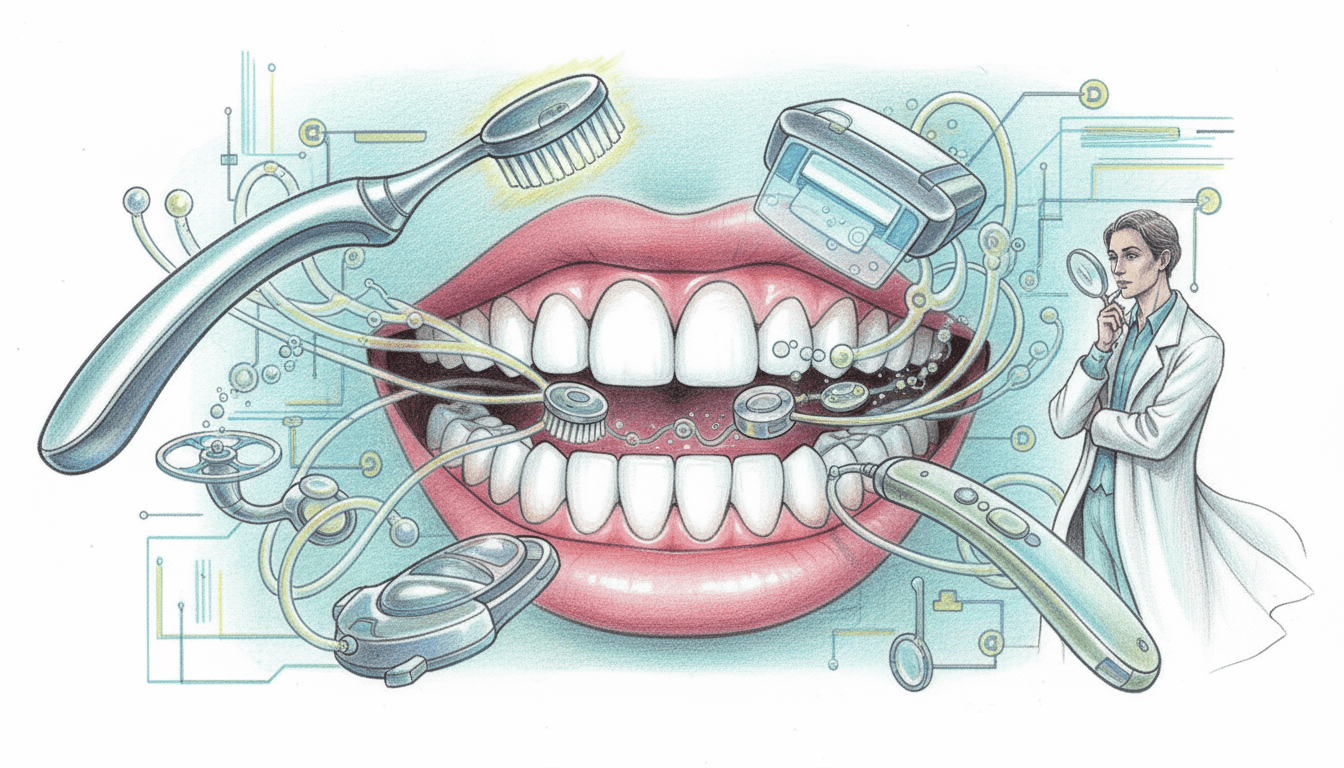
This in-depth guide explores the cutting-edge technologies revolutionizing personal and professional oral hygiene. From smart electric toothbrushes with AI-powered coaching to advanced interdental tools and digital health monitoring systems, we examine the innovations that are transforming daily routines and clinical diagnostics. The article provides a detailed analysis of how precision instruments, personalized care algorithms, and early detection technologies are enhancing preventive care, improving treatment outcomes, and empowering individuals to achieve optimal, long-term oral health.
The landscape of oral hygiene is undergoing a profound transformation, moving beyond traditional brushing and flossing into an era defined by data-driven personalization, connectivity, and clinical-grade precision for the home user. The convergence of consumer electronics, material science, and artificial intelligence is creating a new paradigm in dental care, one that promises not just cleaner teeth but a fundamentally preventative approach to oral health. This revolution is fueled by a clear understanding that oral health is intrinsically linked to systemic well-being, driving innovation towards tools that offer actionable insights, not just mechanical cleaning. For decades, the basic principles remained largely unchanged, but today's advanced oral hygiene technology and innovations are redefining every aspect of care. From smart toothbrushes that coach your brushing technique in real-time to digital mirrors that highlight missed plaque, technology is making effective hygiene more accessible, engaging, and scientifically validated. This comprehensive guide delves deep into these cutting-edge developments, examining the engineering behind the tools, the data they generate, and their long-term implications for both personal routines and professional dental treatment methodologies. We will explore how these innovations are shifting the focus from reactive treatment to proactive, continuous health management, empowering individuals with unprecedented control and knowledge over their oral ecosystem.
The Evolution and Engineering of Electric and Smart Toothbrush Technologies
Modern electric toothbrushes have evolved far beyond simple oscillating motors. Today's smart brushes represent a sophisticated fusion of micro-mechanical engineering, sensor technology, and user-centric software design. At their core, advanced brush heads utilize high-frequency sonic or oscillating-rotating movements, with some models exceeding 40,000 strokes per minute. This mechanical action is precisely engineered to create dynamic fluid forces that disrupt biofilm beyond the direct reach of the bristles, a phenomenon known as fluid dynamics cleaning. However, the true innovation lies in the integration of smart features. Pressure sensors, often using piezoelectric or strain gauge technology, provide haptic feedback to prevent gum damage—a common issue with overzealous brushing. Integrated timers and quadrant pacers are now standard, ensuring adherence to the recommended two-minute brushing time with equal attention to all areas of the mouth. The frontier, however, is in connectivity and artificial intelligence. High-end smart brushes connect via Bluetooth to companion smartphone applications. These apps use inertial measurement units (IMUs) and gyroscopes within the brush handle to track brushing coverage in real-time, generating detailed maps that show exactly which teeth were brushed effectively and which were missed. Some systems employ machine learning algorithms to analyze brushing patterns over time, offering personalized coaching to improve technique. For instance, they might detect a user's tendency to rush through the lower molars or apply excessive pressure on the canines, providing specific, corrective feedback. Companies are even exploring the integration of micro-cameras or optical sensors to provide visual plaque detection. The power management systems have also seen significant advances, with lithium-ion batteries offering weeks of use on a single charge and wireless inductive charging becoming the norm. The long-term outlook suggests a move towards even greater personalization, with brush heads tailored to an individual's gum sensitivity, enamel strength, and specific dental work, all guided by data collected over months of use.
Advanced Flossing and Interdental Cleaning: Beyond Traditional String
The interdental space, long recognized as a primary site for plaque accumulation and the onset of gingivitis, is now the target of a new generation of high-precision cleaning tools that render traditional flossing almost archaic for many users. Water flossers, or oral irrigators, have seen dramatic technological improvements. Early models were simple pulsating water jets, but modern devices feature variable pressure settings (from gentle to clinical-strength), multiple specialized tips (for orthodontics, implants, or periodontal pockets), and even magnetically driven pumps that provide a consistent, pulse-wave action proven to be more effective at biofilm removal. Some advanced models incorporate antimicrobial or anti-inflammatory solutions into the reservoir, such as chlorhexidine or essential oils, for enhanced therapeutic effect. Alongside irrigators, interdental brushes have been re-engineered. No longer just simple wire loops, they now feature ergonomic handles, coated wires to protect sensitive root surfaces and dental work, and bristles impregnated with stabilizing agents like tin fluoride or chlorhexidine for prolonged antimicrobial action. The size and shape gradation has become more scientific, allowing for precise selection based on individual interdental space measurements, often determined during a dental visit. An emerging innovation is the automated interdental cleaner, a pen-like device that oscillates a tiny brush head at high speed, combining the mechanical action of a brush with the ease of a handled tool. For professional use, air-polishing devices that use a stream of water, air, and fine powder (like erythritol) are becoming more common for deep interdental and sub-gingival cleaning during prophylaxis. The long-term outlook for interdental care is integration with overall oral hygiene systems. We are beginning to see smart water flossers that sync with toothbrush apps, logging usage and suggesting optimal pressure settings based on gum health data. The goal is a fully synchronized cleaning routine where the toothbrush and interdental tool work in a complementary, data-informed manner to ensure complete biofilm eradication from all tooth surfaces.
Digital Dental Health Monitoring: From Plaque Detection to Ecosystem Analysis
The advent of digital monitoring technologies marks a shift from subjective self-assessment to objective, quantifiable oral health tracking. At the forefront are digital plaque detection systems. These often utilize disclosing tablets or solutions containing harmless dyes (like erythrosine) that selectively stain plaque. When viewed through a companion smartphone app with a calibrated color filter or a dedicated LED light device, the plaque glows a distinct color (e.g., blue for older plaque, pink for newer), providing a stark visual map of biofilm accumulation. This immediate feedback is a powerful motivational and educational tool, revealing areas routinely missed during cleaning. Beyond plaque, more comprehensive monitoring systems are emerging. Smart mirrors with built-in cameras and AI analysis can track gingival inflammation, tooth color stability, and even early signs of demineralization or mild tooth wear over time. Connected toothbrushes log brushing habits—frequency, duration, coverage, and pressure—creating a longitudinal dataset. When paired with periodic at-home saliva testing kits (which analyze pH, buffering capacity, and levels of cariogenic bacteria like S. mutans), a detailed picture of the individual's oral ecosystem emerges. This data can be synthesized in a centralized health platform, sometimes with the option to be shared securely with a dental professional for remote monitoring. This enables a move towards a 'dental check-up' that is continuous rather than biannual. For example, a dentist could receive an alert if a patient's brushing efficacy declines or if signs of gingival irritation appear, allowing for early intervention via a telehealth consultation. The long-term potential is immense: predictive analytics could forecast an individual's risk of cavities or gum disease based on their unique biome data and hygiene behavior, prompting preemptive changes in routine or professional care. This transforms oral health from a static condition into a dynamic, managed state.
Precision Oral Care Instruments: The Professional-Grade Tools for Home Use
The distinction between professional dental instruments and effective home care tools is blurring, as engineered precision and clinical efficacy become paramount for consumer products. This category encompasses a wide range of devices designed for specific, targeted tasks beyond general cleaning. Tongue cleaners have evolved from simple scrapers to textured, multi-surface tools often made from copper (for antimicrobial properties) or flexible medical-grade silicone that conforms to the tongue's contours for more effective debris and biofilm removal without gagging. Gum stimulators, once simple rubber tips, are now often integrated into toothbrush handles or available as standalone tools with varying textures and firmness to promote keratinization and blood flow in gingival tissue. For those with orthodontic appliances, specialized tools like orthodontic-pick water flosser tips and powered brush heads designed to clean around brackets and wires are now standard offerings. Similarly, implant care kits include nylon-coated picks and interdental brushes that clean effectively without scratching the implant abutment. Ultrasonic scalers for home use, though requiring careful instruction, are emerging. These devices use high-frequency vibrations to break up calculus (tartar) below the gumline, a task previously reserved for dental hygienists. Their power is necessarily lower than professional units to ensure safety, but they represent a significant step in patient-controlled periodontal maintenance. Another area of precision is in whitening technology. Beyond strips and trays, LED-accelerated whitening systems for home use now offer custom-fitted trays created from dental impressions sent by mail or made using at-home molding kits, ensuring even gel distribution and gum protection. The guiding principle behind all these precision instruments is the recognition that a one-size-fits-all approach is inadequate for complex oral environments with crowns, bridges, implants, braces, or periodontal concerns. The future will see even more specialization and likely the rise of 'prescription' home care toolkits, curated by a dentist based on a patient's specific oral anatomy and conditions.
AI and Machine Learning in Dental Diagnostics and Preventive Care
Artificial intelligence is poised to revolutionize dentistry by augmenting diagnostic accuracy, personalizing treatment planning, and democratizing early detection. In diagnostics, AI algorithms trained on hundreds of thousands of dental radiographs (X-rays) and intraoral scans can now identify patterns invisible to the human eye. They can detect the earliest signs of interproximal caries (cavities between teeth), measure bone loss in periodontitis with sub-millimeter precision, and even flag suspicious lesions for oral cancer screening on panoramic images. These systems act as a powerful second opinion, reducing human error and variability. For the consumer, AI manifests in smart coaching apps, as previously mentioned, but also in teledentistry platforms. A patient can use a smartphone-attachable intraoral camera to scan their mouth, and an AI engine can provide a preliminary analysis, highlighting areas of concern before a live dentist reviews the case. This makes initial screenings more accessible. Beyond detection, AI is driving personalization in preventive care. By analyzing an individual's genetic data (from services like 23andMe, with appropriate consent), microbiome data from saliva tests, dietary logs, and hygiene habit data from smart devices, machine learning models can predict individual susceptibility to specific conditions—for example, a high genetic risk for periodontitis combined with a high-sugar diet. This allows for the generation of truly personalized oral care plans, which might recommend specific probiotic strains, targeted antimicrobial rinses used at specific intervals, or even dietary modifications, all tailored to that person's unique risk profile. The long-term outlook involves the development of integrated oral health AI assistants. These digital companions would continuously ingest data from all connected devices and periodic tests, providing real-time recommendations, scheduling professional cleanings when predictive risk thresholds are crossed, and even interfacing directly with dental insurance to streamline pre-authorizations based on AI-identified needs. The ethical considerations of data privacy and algorithmic bias are significant and must be addressed, but the potential for improved population-wide oral health outcomes is enormous.
The Integration and Long-Term Outlook: Towards a Connected Oral Health Ecosystem
The ultimate goal of these disparate technological advances is not a collection of isolated smart devices, but a fully integrated, connected oral health ecosystem. This ecosystem envisions a seamless flow of data between personal hygiene tools, at-home diagnostic devices, personal health records, and dental professionals. Imagine a scenario: Your smart toothbrush detects inconsistent brushing on your lower left quadrant. Your water flosser, synced to the same app, automatically suggests a higher pressure setting for that area during your next session. Your quarterly at-home saliva test shows a slight rise in acidic bacteria. The integrated AI platform cross-references this with your brushing data and recent dietary log (optionally shared from a nutrition app), identifies a potential link to increased snacking, and sends you a personalized alert with dietary suggestions. Simultaneously, it flags this trend in your secure patient portal, prompting your dentist to send a reminder for a fluoride treatment at your next appointment. This level of integration turns oral health management into a continuous, proactive feedback loop. The long-term outlook also includes advancements in biomaterials and regenerative dentistry—such as smart fillings that release fluoride or signal decay recurrence, and gels that stimulate stem cells to regenerate dentin—which will be monitored by these same digital systems. Furthermore, the data aggregated from millions of users (anonymized and ethically sourced) will fuel public health research, identifying broader trends in oral disease and the effectiveness of various hygiene interventions on a population scale. Challenges remain, including ensuring data security and interoperability between different manufacturers' devices and software platforms. Standardization of data formats will be crucial. However, the direction is clear: the future of oral hygiene is predictive, personalized, preventive, and participatory. It moves us from a model of episodic, reactive repair to one of continuous, data-informed health preservation, fundamentally improving quality of life and reducing the overall burden of dental disease.
Key Takeaways
FAQs
Are smart toothbrushes really better than manual brushing?
For most people, yes—when used correctly. High-quality electric toothbrushes with oscillating-rotating or sonic technology have consistently demonstrated superior plaque removal and reduction of gingivitis in clinical studies compared to manual brushing. The added value of smart features (pressure sensors, real-time coaching) helps users overcome common technique errors, making effective brushing more consistent and achievable. However, a manual brush used with perfect technique for the full recommended time can also be effective; the smart brush simply makes that optimal outcome more likely.
Can a water flosser completely replace traditional string floss?
For many users, a water flosser is an excellent primary interdental cleaner, especially for those with braces, bridges, or implants where threading floss is difficult. The American Dental Association states that water flossers are an effective tool for reducing gingivitis and removing plaque. However, some dental professionals argue that string floss may be more effective at physically scraping plaque off tight contact points between teeth. For optimal care, especially in very tight spaces, a combination approach—using string floss first to break up plaque, followed by a water flosser to flush it out—is often considered the gold standard.
How accurate are AI systems at diagnosing dental problems from X-rays?
Modern AI diagnostic aids have achieved accuracy rates that rival and sometimes exceed those of experienced dentists for specific tasks like detecting cavities and measuring bone loss. They are trained on vast datasets and are not subject to human fatigue or distraction. However, they are designed as assistive tools, not replacements for a dentist's clinical judgment. The AI flags areas of concern, but the final diagnosis integrates this with a visual exam, patient history, and the dentist's expertise. They are particularly powerful for catching subtle, early-stage issues that might be missed on a busy clinical day.
Is my data from a connected toothbrush or app private and secure?
Privacy and security vary by manufacturer. Reputable companies should have clear, transparent privacy policies detailing what data is collected, how it is used (e.g., for improving your experience vs. aggregated research), and with whom it is shared. Look for companies that use end-to-end encryption for data transmission and allow you to control data sharing, including the option to share with your dentist. Before purchasing, review the privacy policy and consider if you are comfortable with the terms. This is a critical area for ongoing consumer awareness and regulatory oversight.
What is the single most impactful technology for someone starting to improve their oral hygiene?
For most individuals, investing in a quality electric toothbrush with a pressure sensor is the highest-impact starting point. Inconsistent brushing time and excessive pressure are two of the most common errors that lead to plaque buildup and gum recession. This one tool directly addresses both, providing a foundational improvement in daily cleaning efficacy. Once that habit is established, adding a water flosser or precision interdental brushes would be the logical next step for comprehensive care.
How often should I use plaque-disclosing tablets or solutions?
For educational and motivational purposes, using them once a week or every other week is highly beneficial. Regular use helps you identify your personal 'trouble spots'—areas you consistently miss—so you can consciously adjust your technique. It turns an invisible problem (plaque) into a visible one, providing immediate feedback. For children or individuals learning proper hygiene, more frequent use (e.g., 2-3 times a week initially) can be very helpful. They are safe for daily use but are typically used as a periodic check-up tool rather than a daily routine item.
Are at-home ultrasonic scalers safe for removing tartar?
They must be used with extreme caution and ideally only after consultation with a dental professional. While they are less powerful than professional units, improper use can easily damage tooth enamel, scratch restorative materials, or injure gums. They are not a substitute for professional scaling and root planing, which removes subgingival calculus. Their best use case is for motivated patients with a tendency for rapid supragingival (above the gum) calculus buildup, under specific guidance from their hygienist on technique and frequency. For most people, regular professional cleanings are safer and more effective.
Will these technologies make dental check-ups obsolete?
No, they will transform them, not eliminate them. Regular professional check-ups will remain essential. A dentist or hygienist performs a comprehensive assessment that technology cannot fully replicate, including tactile probing of gums, oral cancer screenings of soft tissues, evaluating jaw function, and taking necessary X-rays. The role of the check-up will evolve: instead of spending time identifying obvious problems, the professional will focus on validating and interpreting the continuous data you bring, performing advanced diagnostics, and providing treatments (like deep cleanings or fluoride applications) that cannot be done at home. It becomes a collaborative, data-informed consultation.
Guide Conclusion
The journey through advanced oral hygiene technology reveals a future where dental care is smarter, more personalized, and profoundly more preventive. We have moved from simple tools to intelligent systems that educate, monitor, and guide us towards better health. The integration of AI, precision engineering, and digital connectivity is not just about having whiter teeth; it's about preserving our natural dentition for a lifetime, preventing painful and costly procedures, and understanding the deep connection between oral and systemic health. While challenges in accessibility, data privacy, and integration remain, the trajectory is clear. By embracing these innovations—whether starting with a smart toothbrush or eventually participating in a full connected health ecosystem—individuals are empowered to take unprecedented control of their oral health. For dental professionals, this represents an opportunity to elevate their practice and focus on complex care and health optimization. The ultimate promise of this technological revolution is a world where excellent oral health is not a privilege of the diligent few, but an achievable, data-supported standard for all.