Comprehensive Dental Sleep Medicine Guide: An In-Depth Analysis of Oral Health and Sleep Disorders
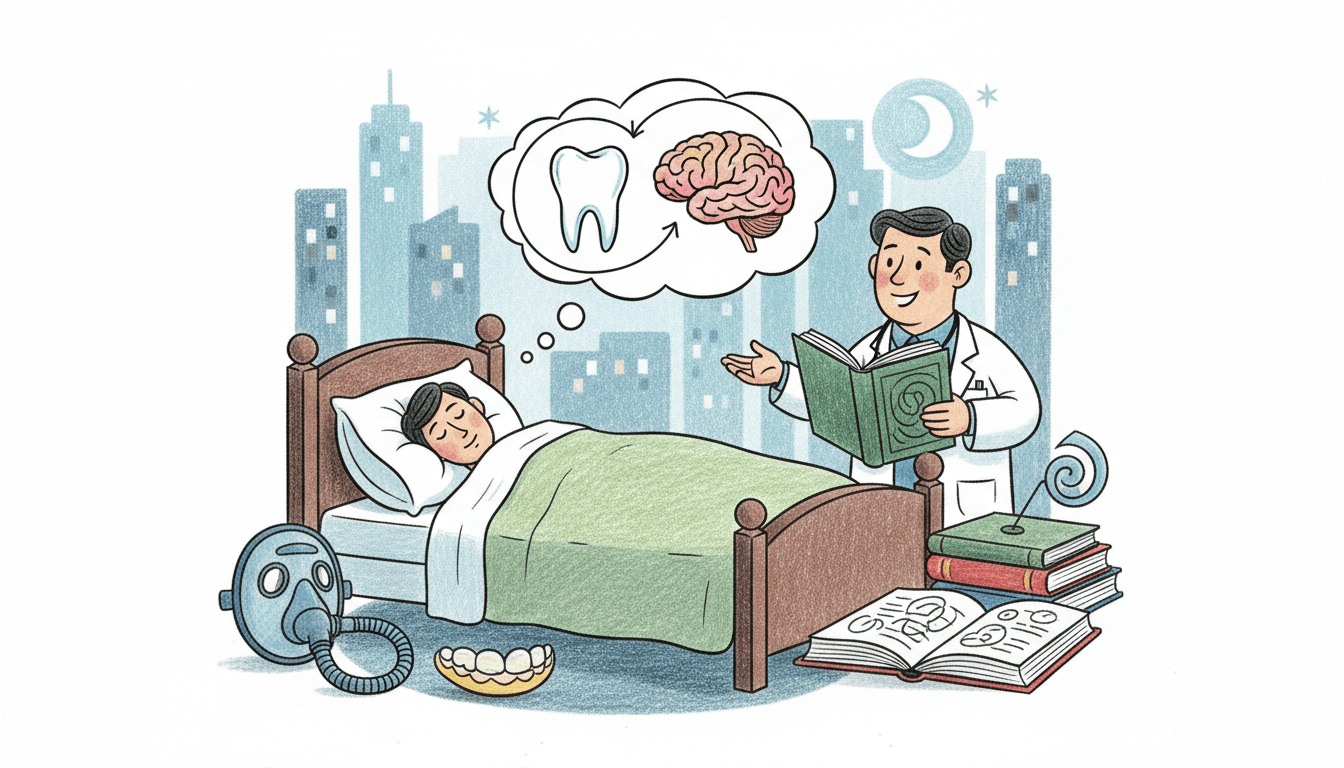
This definitive guide explores the critical, bidirectional relationship between oral health and sleep quality, with a focus on disorders like sleep apnea and bruxism. It provides an exhaustive analysis of modern diagnostic techniques, including advanced oral screening, and details a spectrum of treatment strategies from custom oral appliances to interdisciplinary care models. The article delves into innovative dental interventions, comprehensive patient management protocols, and offers expert commentary on the evolving landscape of dental sleep medicine, aiming to equip both patients and practitioners with actionable knowledge for improved systemic health.
The traditional view of dentistry as a field concerned solely with teeth and gums is undergoing a profound paradigm shift. Emerging at the forefront of this evolution is Dental Sleep Medicine (DSM), a specialized discipline dedicated to the study of the intricate, bidirectional relationship between oral health and sleep disorders. This guide, drawing upon foundational research from the Global Dental Sleep Medicine Research Center, serves as a comprehensive exploration of this critical intersection. We move beyond superficial connections to examine the deep physiological and anatomical links that tether the state of our oral cavity to the quality of our sleep. The consequences of poor sleep—ranging from cardiovascular strain and metabolic dysfunction to cognitive impairment and diminished quality of life—are well-documented. Simultaneously, oral health issues like periodontal disease and dysfunctional occlusal patterns can both cause and exacerbate sleep disturbances. This creates a vicious cycle where sleep deprivation impedes the body's ability to repair oral tissues, and oral pain or airway obstruction disrupts sleep architecture. This article will exhaustively analyze the core sleep disorder types within the dental purview, namely obstructive sleep apnea (OSA) and bruxism (sleep-related grinding and clenching). We will dissect state-of-the-art diagnostic approaches that allow dental professionals to become pivotal frontline screeners for sleep disorders. Furthermore, we will explore a full continuum of treatment strategies, from innovative, patient-specific oral appliances to essential lifestyle modifications and the vital model of interdisciplinary collaboration between dentists, sleep physicians, ENT specialists, and other healthcare providers. Our goal is to provide a whitepaper-level resource that illuminates pathways to comprehensive patient care, transforming how we understand and manage the silent epidemic of sleep-related dental issues.
The Foundational Link: How Oral Health Directly Governs Sleep Quality
The connection between oral health and sleep quality is not merely correlational but is rooted in direct anatomical and physiological pathways. The oral cavity serves as the primary gateway to the upper airway, and its structural and functional integrity is paramount for unimpeded breathing during sleep. Conditions such as periodontal disease, characterized by chronic inflammation and infection of the gingiva and supporting bone, create a systemic inflammatory burden. This state of elevated cytokines can disrupt the neurochemical balance necessary for initiating and maintaining stable sleep, leading to increased sleep fragmentation and reduced time in restorative deep sleep (slow-wave sleep) and REM sleep. Furthermore, the anatomical landscape of the mouth is a primary determinant of airway patency. A narrow, high-arched palate, enlarged tonsils or adenoids, a retrognathic (recessed) mandible, or a large tongue base (macroglossia) can significantly compromise the pharyngeal airway space. During sleep, when muscle tone naturally decreases, these anatomical predispositions allow the soft tissues of the throat to collapse, leading to obstructive sleep apnea (OSA)—a disorder characterized by repeated cessations of breathing. Conversely, the state of sleep directly impacts oral health. Sleep is a critical period for oral tissue repair and salivary flow regulation. Disrupted or insufficient sleep impairs immune function, reducing the body's ability to combat the bacterial biofilms that cause caries and periodontitis. Additionally, sleep deprivation is a known trigger for bruxism, as it dysregulates the central nervous system's dopaminergic pathways and increases sympathetic nervous system activity, leading to excessive masticatory muscle activity. This creates a destructive feedback loop: poor oral health (e.g., airway-obstructing anatomy) causes poor sleep, and the resulting poor sleep (e.g., through immune suppression and bruxism) further degrades oral health. Understanding this bidirectional causality is the first, essential step in developing effective, holistic treatment protocols that address both ends of the spectrum.
Diagnostic Mastery: Advanced Oral Screening for Sleep Disorders
The modern dental practice is uniquely positioned to serve as a critical screening outpost for sleep disorders. This goes far beyond asking a patient if they snore. Advanced oral screening involves a meticulous, multi-faceted assessment protocol designed to identify both overt signs and subtle clues of sleep-related pathology. The process begins with a comprehensive sleep history questionnaire, such as the STOP-Bang or Epworth Sleepiness Scale, integrated into the patient's medical history. The clinical intraoral and extraoral examination is then conducted with a specific sleep-focused lens. The dentist assesses the Mallampati score (visualization of the oropharyngeal structures), tonsil size, and uvula characteristics. A key component is evaluating the craniofacial morphology: facial profile (retrognathia vs. prognathia), palate shape and width, and dental arch form. Evidence of bruxism is sought through the identification of wear facets (attrition) on the teeth, cheek ridging (linea alba), scalloping of the tongue borders, and hypertrophy of the masseter muscles. Advanced technological tools are indispensable. Digital intraoral scanners can create precise 3D models of the airway from the nasal cavity to the glottis, allowing for volumetric analysis of the most constricted regions. Cone Beam Computed Tomography (CBCT) provides high-resolution, three-dimensional imaging of the skeletal framework and soft tissue relationships, crucial for planning interventions. Photographic documentation and cephalometric analysis from lateral skull radiographs help quantify anatomical relationships, such as the posterior airway space (PAS). Furthermore, dentists may collaborate with sleep physicians to facilitate home sleep apnea testing (HSAT) or in-lab polysomnography (PSG), interpreting the results in the context of their oral findings. This diagnostic synthesis allows for risk stratification, identifying patients with high pre-test probability for OSA or severe bruxism, and ensuring timely referral and co-management. It transforms the dental exam from a check for cavities into a vital assessment of a patient's systemic health risk related to sleep.
Treatment Arsenal: Oral Appliance Therapy and Beyond for Sleep Apnea
For patients diagnosed with mild to moderate Obstructive Sleep Apnea (OSA), or those with severe OSA who cannot tolerate Continuous Positive Airway Pressure (CPAP) therapy, Oral Appliance Therapy (OAT) stands as a first-line, highly effective treatment. The cornerstone of OAT is the custom-fabricated Mandibular Advancement Device (MAD). Unlike generic, over-the-counter boil-and-bite snoring aids, a professionally made MAD is a precision medical device. It is designed from digital or physical impressions of the patient's dentition to ensure optimal retention, comfort, and safety. The fundamental mechanism is the controlled, incremental anterior positioning of the mandible (lower jaw). This mechanical action pulls the tongue base forward and tenses the soft tissues of the velopharynx, thereby physically enlarging the retroglossal and retropalatal regions of the airway, preventing collapse during sleep. Titration—the gradual adjustment of the protrusion level—is critical and is performed based on symptom resolution and, ideally, follow-up sleep study data to find the therapeutic minimum effective dose. Beyond MADs, other oral devices include Tongue Retaining Devices (TRDs), which use suction to hold the tongue forward, and devices designed for patients with limited dentition. Treatment does not exist in a vacuum. It is synergistically combined with lifestyle modifications, which are non-negotiable adjuncts. Weight management is paramount, as even a 10% reduction in body weight can significantly reduce the Apnea-Hypopnea Index (AHI). Positional therapy (encouraging side-sleeping) can mitigate airway collapse in positional OSA. Avoidance of evening alcohol and sedatives, which depress respiratory drive and increase muscle relaxation, is essential. Myofunctional therapy—exercises to strengthen the oropharyngeal and tongue muscles—can improve airway tone. The dental professional's role is to fabricate, fit, titrate, and provide long-term follow-up for the oral appliance, while actively counseling on and coordinating these lifestyle strategies, creating a multi-pronged attack on the pathophysiology of OSA.
Managing Bruxism: From Protective Appliances to Neuromuscular Approaches
Sleep-related bruxism (SB) is a masticatory muscle activity disorder characterized by rhythmic (phasic) or sustained (tonic) grinding or clenching of teeth during sleep. Its management in dental sleep medicine requires a nuanced approach that addresses both the protective needs of the dentition and the potential underlying triggers. The first line of defense is an occlusal appliance, most commonly a stabilization splint or NTI-tension suppression system. A properly designed stabilization splint, typically worn on the maxillary arch, provides a flat, smooth surface that distributes and dissipates the immense forces generated during bruxism episodes, preventing tooth wear, fractures, and reducing muscle fatigue. It does not aim to stop the bruxism activity itself but to mitigate its destructive consequences. The NTI device, which only covers the front teeth, works on the principle of disoccluding the posterior teeth, which can reduce overall clenching force by leveraging a neurological feedback loop. However, contemporary management looks beyond mere protection. Since SB is centrally mediated, often linked to sleep arousal responses, micro-arousals, and stress, a comprehensive strategy involves behavioral and pharmacological interventions. Cognitive Behavioral Therapy for Insomnia (CBT-I) can improve sleep quality and reduce arousal frequency, thereby indirectly reducing bruxism episodes. Stress management techniques like mindfulness and relaxation training are strongly recommended. In some cases, a short-term trial of low-dose muscle relaxants or specific medications affecting dopaminergic pathways may be considered by a physician. Furthermore, addressing any concomitant sleep disorders, particularly OSA, is crucial, as airway resistance events can trigger bruxism episodes as a protective reflex to reopen the airway—a concept known as the 'OSA-bruxism link.' Therefore, a patient presenting with bruxism should also be screened for OSA. The long-term management involves regular monitoring of the appliance for wear, assessment of the temporomandibular joints and muscles, and adjustment of therapeutic strategies based on symptom evolution, embodying a dynamic, patient-centered model of care.
Innovative Dental Interventions: Emerging Technologies and Techniques
The field of dental sleep medicine is rapidly evolving, driven by technological innovation and a deeper understanding of pathophysiology. These advancements are refining diagnostics, personalizing treatments, and expanding the scope of what is therapeutically possible. In diagnostics, the integration of Artificial Intelligence (AI) and machine learning algorithms with CBCT and intraoral scan data is enabling predictive modeling. Software can now more accurately simulate airway collapse under different conditions and predict treatment outcomes for various appliance designs or surgical plans, moving from trial-and-error to precision planning. Wearable technology is another frontier. Dentist-prescribed or integrated wearable devices can now track jaw movement, muscle activity (via surface electromyography), heart rate variability, and sleep position at home, providing objective, night-by-night data on bruxism episodes and their potential correlates. In treatment, innovation is abundant. 3D printing and CAD/CAM technology have revolutionized appliance fabrication, allowing for complex, lightweight, patient-specific designs with improved comfort and efficacy. New materials with 'smart' properties, such as polymers that respond to temperature or pressure, are being explored for next-generation appliances. For patients who are not candidates for or fail MAD therapy, minimally invasive surgical options performed in collaboration with oral and maxillofacial surgeons are gaining traction. These include hypoglossal nerve stimulation (HNS), where an implanted device stimulates the nerve controlling the tongue to keep the airway open, and a variety of palate-stiffening procedures or skeletal advancement surgeries like Maxillomandibular Advancement (MMA), which is highly effective for specific anatomical phenotypes. Furthermore, the concept of early intervention is growing, with orthodontic and orthopedic approaches in children and adolescents aimed at modifying craniofacial growth to prevent the development of OSA later in life, using devices like palatal expanders and functional appliances. These innovations collectively represent a shift towards more predictive, preventive, personalized, and participatory (P4) medicine within the dental sleep domain.
The Imperative of Interdisciplinary Care: Dental and Sleep Medicine Collaboration
The effective management of sleep-related dental issues is fundamentally a team sport. No single healthcare provider possesses the complete skill set required for diagnosis, treatment, and long-term management. This necessitates a robust, formalized model of interdisciplinary care, with the dentist and sleep physician at its core, supported by a network of specialists. The pathway typically begins with the dentist, who, through advanced screening, identifies a patient at high risk for OSA or severe bruxism. The dentist then facilitates a referral to a board-certified sleep medicine physician. The sleep physician orders and interprets the definitive diagnostic test—a home sleep study or in-lab polysomnography—establishing the medical diagnosis and severity. A collaborative consultation follows, where both professionals review the data: the sleep study results alongside the dentist's anatomical and occlusal findings. Together, they formulate a treatment plan. If Oral Appliance Therapy (OAT) is chosen, the dentist takes the lead in fabrication, fitting, and titration, while the sleep physician monitors the medical outcome, often with a follow-up sleep study to verify efficacy. The team expands as needed. An Ear, Nose, and Throat (ENT) surgeon may be consulted for anatomical abnormalities like a deviated septum or enlarged turbinates. A pulmonologist may manage complex respiratory comorbidities. A neurologist might be involved for central sleep apnea or other neurological contributors. A dietitian provides weight management support. A physical therapist or orofacial pain specialist may address concomitant temporomandibular disorders (TMD). Myofunctional therapists train oropharyngeal muscles. This collaborative model ensures comprehensive care, improves patient adherence through coordinated messaging, enhances safety by monitoring for potential side effects of treatment (e.g., occlusal changes from a MAD), and ultimately leads to superior health outcomes. It moves the patient from a fragmented care experience to a seamless, integrated journey towards better sleep and better health.
Key Takeaways
FAQs
How can my dentist possibly know if I have a sleep disorder?
Your dentist is uniquely positioned to identify signs of sleep disorders. During a comprehensive exam, they look for specific anatomical risk factors like a narrow palate, large tongue, or recessed jaw that can obstruct your airway. They also check for physical evidence of sleep bruxism, such as worn, cracked, or chipped teeth, and hypertrophied jaw muscles. By combining these clinical findings with a detailed sleep habit questionnaire, your dentist can accurately assess your risk and recommend further evaluation, such as a sleep study, with a physician.
Is an oral appliance for sleep apnea as effective as a CPAP machine?
Efficacy depends on the severity and type of sleep apnea. For mild to moderate Obstructive Sleep Apnea (OSA), a custom-fitted and titrated oral appliance is considered a first-line treatment and can be equally effective as CPAP in reducing the Apnea-Hypopnea Index (AHI) and improving symptoms. For severe OSA, CPAP is generally the gold-standard first treatment due to its higher and more consistent air pressure. However, for patients with severe OSA who cannot tolerate CPAP, an oral appliance is a highly valuable alternative and can be very effective, sometimes in combination with other therapies. The key is that the appliance must be custom-made by a qualified dentist, not an over-the-counter product.
Will wearing a nightguard for grinding stop me from clenching my teeth?
A traditional nightguard (stabilization splint) is primarily designed to protect your teeth and jaw joints from the damaging forces of clenching and grinding (bruxism), not to stop the activity itself. It acts as a shock absorber and helps reduce muscle strain. However, by providing a stable, smooth biting surface, it can sometimes help decrease the intensity and frequency of muscle contractions for some patients. To more directly address the clenching behavior, treatments often need to target potential underlying causes, such as stress management, improving sleep hygiene, or treating a coexisting sleep disorder like sleep apnea, which can trigger bruxism episodes.
What are the potential side effects of using a mandibular advancement device (MAD)?
Most side effects are minor and temporary, especially when the device is properly fitted and titrated. Common initial side effects include excessive salivation, dry mouth, or minor tooth or jaw discomfort, which typically subside within a few weeks. More significant potential side effects that require monitoring include permanent changes in your bite (occlusion), which is why regular dental check-ups are crucial; pain or dysfunction in the temporomandibular joints (TMJ); and tooth movement or loosening. A qualified dental sleep medicine practitioner will minimize these risks through careful design, gradual titration, and ongoing follow-up care to adjust the appliance as needed.
Can children have sleep apnea, and can a dentist help?
Absolutely. Pediatric sleep-disordered breathing is common and often related to enlarged tonsils/adenoids or craniofacial structure. Symptoms include snoring, mouth breathing, restless sleep, bedwetting, and daytime behavioral or attention problems. Dentists, particularly pediatric dentists and orthodontists, play a vital role. They can identify risk factors like a narrow, high-arched palate or dental crowding. They often provide first-line treatments such as palatal expanders, which widen the upper jaw to improve nasal breathing and airway space, or other functional appliances that encourage proper jaw growth. They work closely with pediatricians, ENT surgeons, and sleep specialists in an interdisciplinary team.
How often do I need to see my dentist after getting a sleep apnea oral appliance?
Follow-up is critical for safety and efficacy. A typical schedule involves an initial check within a few weeks of receiving the appliance to assess comfort and make minor adjustments. You will then have several appointments over the next 3-6 months for titration—gradually advancing the jaw position to its therapeutic setting. Once optimal therapeutic efficacy is confirmed (often with a follow-up sleep study), you will need annual check-ups. These annual visits are to monitor the appliance's condition, check for any adverse effects on your bite or jaw joints, clean the device professionally, and ensure it continues to fit properly as your mouth may change over time.
Does dental insurance cover oral appliances for sleep apnea?
Coverage is improving but varies widely. Most medical insurance plans (not dental plans) are the primary payer for oral appliance therapy for diagnosed OSA, as it is considered a medical treatment for a medical condition. The process usually requires a pre-authorization with documentation including a sleep study diagnosis from a physician and a letter of medical necessity from your dentist. Some dental insurance plans may offer partial coverage for the appliance under major medical or a medical rider. It is essential to work with a dental practice experienced in DSM, as they typically have staff who can navigate the medical insurance billing process on your behalf.
What is the connection between TMJ disorder and sleep apnea?
The connection is significant and multifaceted. First, the anatomical and neuromuscular systems involved overlap. A retrognathic (recessed) lower jaw is a risk factor for both TMJ disorders (due to poor joint mechanics) and OSA (due to a narrowed airway). Second, the clenching and grinding of bruxism, which is strongly linked to sleep apnea episodes, places immense strain on the TMJs, muscles, and teeth, potentially causing or exacerbating TMD pain. Third, the treatment itself can influence the TMJs: a poorly designed or fitted oral appliance can aggravate joint issues, while a well-designed one can help stabilize the jaw and reduce muscle hyperactivity. Managing these conditions often requires an integrated approach.
Guide Conclusion
The journey through the landscape of Dental Sleep Medicine reveals a discipline of profound importance, where the health of the mouth is unequivocally recognized as a window to and a governor of systemic well-being. This guide has detailed the complex pathways linking oral anatomy to sleep architecture, the sophisticated diagnostic protocols that transform dental visits into health screenings, and the expanding arsenal of treatments from precision oral appliances to interdisciplinary care models. The evidence is clear: addressing sleep-related dental issues is not a cosmetic or peripheral concern but a central strategy for mitigating cardiovascular risk, improving metabolic health, enhancing cognitive function, and elevating overall quality of life. For patients, this means advocating for a holistic assessment of their health that includes sleep. For dental professionals, it signifies an opportunity and a responsibility to expand their scope of practice. As research from centers like the Global Dental Sleep Medicine Research Center continues to advance our understanding, the integration of sleep medicine into routine dental care will become the standard, not the exception. Embracing this comprehensive approach promises not just healthier smiles, but healthier, more restful lives.