Pediatric and Adolescent Oral Hygiene Strategies: A Developmental Guide to Lifelong Dental Health
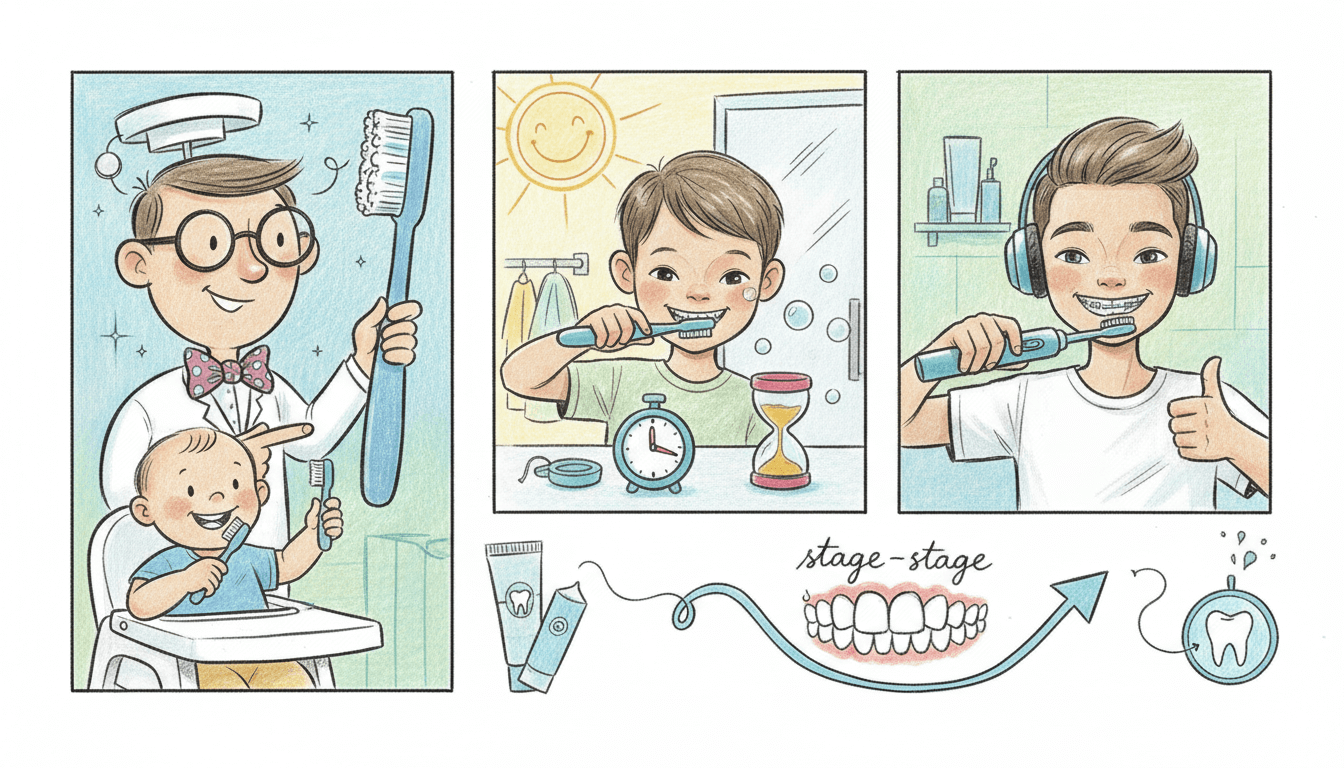
This comprehensive guide provides a detailed, stage-by-stage framework for establishing and maintaining optimal oral hygiene from infancy through adolescence. It addresses the unique physiological and behavioral challenges at each developmental milestone, offering evidence-based strategies for preventing common dental issues, managing orthodontic care, and integrating positive nutritional habits. The article synthesizes clinical best practices with practical parenting techniques to foster lifelong positive attitudes towards dental care, emphasizing early intervention, consistent habit formation, and professional collaboration as cornerstones of pediatric oral health.
The journey to a lifetime of healthy smiles begins long before the first permanent tooth erupts. Pediatric and adolescent oral hygiene represents a critical, dynamic field that intertwines developmental biology, behavioral psychology, and preventive dentistry. This guide, grounded in the expertise of the Pediatric Dental Health Association, moves beyond simplistic 'brush and floss' admonitions to provide a nuanced, evidence-based roadmap for caregivers. The oral cavity undergoes profound transformations from infancy to the late teenage years, each stage presenting distinct vulnerabilities and opportunities for intervention. Early childhood caries (ECC) remains the most common chronic disease of childhood, yet it is almost entirely preventable with proper knowledge and routine. Adolescence introduces new complexities, from orthodontic treatments and dietary independence to the social pressures that can undermine consistent care. Our goal is to empower parents, guardians, and teens themselves with a comprehensive understanding of these developmental challenges. We will delve into the 'why' behind each recommendation, exploring the science of enamel maturation, the psychology of habit formation, and the long-term systemic health implications of oral wellness. By adopting a proactive, informed approach tailored to each developmental stage, we can transform oral care from a daily chore into an integral component of overall health, setting the foundation for confident smiles and robust dental health well into adulthood.
Foundations of Oral Health: Age-Appropriate Techniques from Infancy to Adolescence
Mastering age-appropriate oral hygiene techniques is the cornerstone of preventive pediatric dentistry. This is not a one-size-fits-all endeavor; it requires a tailored approach that evolves with the child's motor skills, cognitive understanding, and dental anatomy. The journey begins in infancy, even before the first tooth appears. Parents should gently clean an infant's gums twice daily with a soft, damp cloth or a silicone finger brush after feedings. This ritual accomplishes two vital goals: it removes biofilm and milk residue that can harbor bacteria, and it acclimates the child to the sensation of oral cleaning, reducing future resistance. Upon the eruption of the first primary tooth, typically around six months, a transition to a soft-bristled, infant-sized toothbrush with a rice-grain-sized smear of fluoride toothpaste (1000 ppm fluoride) is imperative. The technique involves gentle, circular motions along the gumline and all tooth surfaces, with a focus on the posterior molars where pits and fissures trap debris. As children enter the toddler years (ages 1-3), the 'lift the lip' technique becomes crucial for visualizing and cleaning the front teeth, a common site for early childhood caries. Brushing should remain a parent-supervised and parent-assisted activity, as children lack the manual dexterity to perform effective cleaning until approximately age 7 or 8. The 'tell-show-do' method is highly effective: tell the child what you are going to do, show them on your own teeth or a model, and then perform the brushing. For preschoolers (ages 3-6), fluoride toothpaste amount increases to a pea-sized portion. Electric toothbrushes with small, oscillating heads can be introduced, as their built-in timers and engaging designs often improve compliance and cleaning efficacy compared to manual brushes for this age group. School-age children (6-12) are in the 'transitional dentition' phase, losing primary teeth and gaining permanent ones. Hygiene must adapt to a mixed dentition, paying special attention to loose teeth and newly erupted permanent molars. Flossing becomes non-negotiable once teeth are in tight contact; floss picks or handheld flossers are often easier for children to manage. Adolescence (13-18) marks a shift towards personal responsibility. Techniques must now accommodate orthodontic appliances, wisdom tooth eruption, and increased risk of gingivitis due to hormonal changes. Water flossers can be invaluable for teens with braces, and antimicrobial mouth rinses may be recommended. Throughout all stages, the role of the caregiver evolves from direct performer, to hands-on helper, to coach and auditor, ensuring that the foundation laid in infancy supports the complex dental architecture of adulthood.
The First Line of Defense: Preventing Early Childhood Dental Issues
Prevention is the most powerful tool in pediatric dentistry, aiming to avert pain, infection, and complex treatments while preserving the crucial functions of primary teeth: chewing, speech development, and holding space for permanent teeth. The primary adversary is Early Childhood Caries (ECC), a virulent form of tooth decay. Its prevention is multifactorial, targeting the causative triad: susceptible tooth enamel, cariogenic bacteria (primarily *Streptococcus mutans*), and fermentable carbohydrates. The first pillar of defense is fluoride, a mineral that enhances enamel remineralization and inhibits bacterial acid production. Beyond toothpaste, professional fluoride varnish applications every 3-6 months, starting at tooth eruption, provide a high-concentration protective layer. In areas without fluoridated community water, pediatricians or dentists may prescribe fluoride supplements. The second pillar is disrupting bacterial transmission. Caregivers should avoid sharing utensils, cleaning pacifiers with their saliva, or blowing on food, as these behaviors can transfer cavity-causing bacteria to the child. The third pillar is dietary management. 'Baby bottle tooth decay' is a classic example of nutritional mismanagement, where prolonged exposure to milk, formula, or juice—especially at bedtime—allows sugars to pool around teeth. Infants should never be put to bed with a bottle containing anything other than water. As children grow, limiting the frequency of sugary snacks and drinks is more critical than the total quantity; it's the duration of acid attacks that matters. Encourage water as the primary beverage. The fourth pillar is sealants. As soon as the permanent first and second molars erupt (around ages 6 and 12), applying dental sealants to the deep chewing surfaces is a highly effective, non-invasive procedure that physically blocks food and bacteria from the pits and fissures, preventing up to 80% of cavities in these vulnerable areas. Regular dental visits, starting by the first birthday or first tooth eruption, are the unifying strategy that enables early detection. These 'well-child checks' for the mouth allow dentists to assess risk, provide anticipatory guidance, and apply preventive treatments before problems arise. By layering these strategies—fluoride, bacterial management, smart nutrition, sealants, and professional monitoring—we create a robust shield that protects a child's smile from its most common threats.
Navigating Orthodontic Development: Care During and After Treatment
Orthodontic treatment, whether with traditional braces, clear aligners, or other appliances, represents a significant phase in adolescent oral development that demands a specialized hygiene protocol. The primary challenge is the creation of numerous new niches—brackets, wires, bands, and elastics—that trap food debris and plaque, dramatically increasing the risk of enamel demineralization (white spot lesions), gingivitis, and cavities. Effective oral hygiene during orthodontics is not merely an enhancement; it is a prerequisite for successful treatment outcomes. Patients must adopt a meticulous, multi-tool approach. Brushing requires a specialized orthodontic toothbrush or an electric brush with an orthodontic head, used at a 45-degree angle to clean both above and below the brackets. Interproximal brushes are essential for cleaning around brackets and under wires. Flossing, though more challenging, is non-negotiable. Superfloss or orthodontic floss threaders allow the floss to be passed under the archwire to clean between teeth. Water flossers (oral irrigators) are exceptionally valuable adjuncts, using a pressurized stream of water to flush out debris from around appliances and below the gumline, though they are not a substitute for mechanical plaque removal. Dietary modifications are equally critical. Sticky, chewy, and hard foods (e.g., caramel, gum, popcorn, whole apples) must be avoided to prevent bracket damage and lodging. Post-treatment care is a long-term commitment. After braces are removed, the retention phase begins. Whether using a fixed retainer wire behind the teeth or removable clear retainers, hygiene must adapt again. Fixed retainers require careful flossing with a threader or superfloss. Removable retainers must be cleaned daily with a soft brush and non-abrasive cleaner—never toothpaste, which can scratch them—and stored dry when not in use. Failure to wear retainers as prescribed is a leading cause of orthodontic relapse. Furthermore, the long-term outlook includes monitoring wisdom teeth development, as their eruption can disrupt newly aligned arches. Orthodontic treatment is an investment in function and aesthetics; protecting that investment requires a disciplined, informed approach to hygiene that lasts well beyond the day the braces come off, ensuring a stable, healthy, and beautiful result for decades.
Fueling a Healthy Smile: The Critical Link Between Nutrition and Oral Health
The adage 'you are what you eat' is profoundly true for oral health, especially during the formative years of childhood and adolescence. Nutrition influences dental development at a structural level and modulates the oral environment on a daily basis. From a developmental standpoint, adequate intake of calcium, phosphorus, vitamin D, and vitamin A is crucial for the proper formation and mineralization of both primary and permanent tooth enamel and jawbones. A diet deficient in these nutrients during critical growth windows can lead to enamel hypoplasia—thin or pitted enamel that is inherently more susceptible to decay. However, the more immediate and pervasive impact of nutrition is its role in the caries process. Cariogenic bacteria metabolize fermentable carbohydrates (sugars and cooked starches) to produce acids that dissolve enamel. The key factor is not solely the amount of sugar consumed, but the frequency and form. Sipping sugary drinks throughout the day or frequently snacking on crackers or dried fruit creates a sustained acidic environment, denying saliva its chance to neutralize pH and remineralize enamel. Conversely, certain foods possess protective properties. Dairy products like cheese and milk stimulate saliva flow, provide calcium and phosphate for remineralization, and can help raise oral pH. Crunchy fruits and vegetables (e.g., apples, carrots, celery) act as natural cleansers, stimulating saliva and providing gentle abrasion. Foods high in fiber also promote a healthier oral microbiome. For adolescents, nutritional risks escalate with greater autonomy, consumption of sports and energy drinks (highly acidic and sugary), and dieting trends. The acid in these beverages causes erosive tooth wear, while the sugar fuels decay—a damaging combination. Parents and caregivers must model and educate: emphasize water as the primary hydrator, integrate 'tooth-friendly' snacks into the household, and structure eating into defined meals and snacks rather than continuous grazing. Reading nutrition labels to identify hidden sugars (e.g., sucrose, high-fructose corn syrup, fruit juice concentrates) is a vital skill. Ultimately, viewing diet as a foundational component of oral health—not just a list of forbidden foods—empowers families to make choices that support strong, cavity-resistant teeth from the inside out.
The Psychology of Consistency: Building Positive, Lifelong Dental Care Habits
Establishing oral hygiene as an unshakable, automatic habit is perhaps the greatest gift one can give a child, yet it is a complex psychological endeavor that extends far beyond simple instruction. Habit formation relies on the neurological loop of cue, routine, and reward. For young children, the cue must be explicit and consistent—such as a specific time (after breakfast and before bed) or a visual chart. The routine is the brushing and flossing itself, which should be made as predictable and easy as possible (e.g., having the toothbrush and paste ready). The reward is critical; for young children, this is not a bribe but positive reinforcement. This could be verbal praise, a sticker on a calendar, or a special song afterward. The goal is to make the act itself feel rewarding. As children mature, the rewards can become more intrinsic—the feeling of a clean mouth, pride in self-care, and understanding the long-term benefits. Modeling is extraordinarily powerful; children who see their parents prioritizing their own oral hygiene are more likely to internalize its importance. Autonomy-supportive parenting is key during the transition to self-care. Instead of commands, offer limited choices: 'Do you want to use the strawberry or mint toothpaste tonight?' or 'Should we brush before or after your bath?' This fosters a sense of ownership. For teenagers, the social and psychological landscape shifts. Hygiene may be tied to appearance and social acceptance (e.g., fresh breath, straight teeth), which can be leveraged positively. However, busy schedules, rebellion, or neglect of 'invisible' health can derail routines. Technology can aid here: smartphone reminders, apps with brushing timers and gamification, or electric toothbrushes with Bluetooth connectivity that provides feedback. The long-term outlook focuses on internalizing oral care as a core component of personal wellness and self-respect, akin to exercise or healthy eating. It involves reframing it from a chore imposed by parents to a non-negotiable act of self-care. By thoughtfully engineering the environment, employing positive reinforcement, and gradually transferring responsibility, caregivers can install these healthy algorithms into a child's daily life, ensuring they persist independently into adulthood.
Monitoring Developmental Milestones: From Primary Dentition to Permanent Eruption
The human dentition undergoes a remarkable, predictable sequence of development that serves as a biological timeline for oral care interventions. Proactive monitoring of these milestones allows for early identification of potential issues and timely guidance. The process begins with the eruption of the primary (baby) teeth, typically starting with the lower central incisors around 6 months and completing with the second molars by age 3. This primary dentition, comprising 20 teeth, is not merely a placeholder; it guides the eruption path for permanent teeth, maintains space in the jaw, and is essential for proper nutrition and speech. Dentists monitor for conditions like 'nursing bottle caries,' delayed eruption, or abnormal spacing. The mixed dentition phase, spanning approximately ages 6 to 12, is a period of dynamic change. The first permanent molars ('6-year molars') erupt behind the primary teeth, often unnoticed by parents but critically important as they form the cornerstone of the adult bite. They are prime candidates for sealants. Subsequently, primary incisors are lost and replaced by permanent ones. This phase requires vigilance for 'shark teeth,' where permanent teeth erupt behind retained primary teeth, and for managing the often-crowded and irregular appearance of new front teeth, which typically resolves as the jaw grows. Orthodontic evaluations often begin during this period to assess skeletal growth and tooth alignment. The adolescent phase sees the eruption of the second permanent molars ('12-year molars') and, later, the third molars (wisdom teeth). Monitoring wisdom teeth via panoramic X-rays is standard to assess impaction, positioning, and potential impact on orthodontic results. Throughout all stages, dentists also assess oral habits like thumb-sucking or tongue-thrusting that can influence dental arches and bite. By understanding this developmental roadmap, caregivers can partner effectively with dental professionals, asking informed questions at each check-up and implementing stage-specific preventive strategies, ensuring that the complex physiological process of dental maturation proceeds as smoothly as possible toward a healthy, functional adult dentition.
Key Takeaways
FAQs
When should I start brushing my baby's teeth?
Oral care should begin before teeth erupt. Clean your baby's gums twice daily with a soft, damp cloth or silicone finger brush. As soon as the first tooth appears, switch to a soft-bristled, infant-sized toothbrush with a tiny smear (rice-grain size) of fluoride toothpaste (1000 ppm fluoride).
How can I get my toddler to cooperate with brushing?
Use the 'tell-show-do' method, offer limited choices (e.g., which toothpaste flavor), make it fun with songs or a 2-minute timer, and use positive reinforcement like praise or a sticker chart. Most importantly, maintain a calm, consistent routine and remember that until age 7-8, brushing is a parent-supervised and parent-assisted task.
Are electric toothbrushes better for children?
For many children, especially those with braces or who are reluctant brushers, yes. Electric toothbrushes with small, oscillating heads can be more effective at plaque removal, and their built-in timers ensure adequate brushing duration. They can be introduced as young as age 3 with supervision.
My teen has braces. How can they avoid stains and cavities?
A strict regimen is required: use an orthodontic or electric toothbrush, interdental brushes to clean around brackets, and floss threaders or a water flosser daily. Avoid sugary and sticky foods, and attend all orthodontic appointments for adjustments and check-ups. Consider using a fluoride mouth rinse as an extra preventive measure.
What are dental sealants, and are they really necessary?
Dental sealants are thin, protective plastic coatings applied to the chewing surfaces of the back teeth (molars). They flow into the deep pits and fissures, creating a smooth surface that is easy to clean. They are highly effective, preventing about 80% of cavities in molars, and are recommended as soon as the permanent first and second molars erupt (around ages 6 and 12).
How does diet truly affect my child's teeth?
Diet affects teeth in two main ways: 1) Providing nutrients (calcium, phosphorus, vitamin D) for strong tooth structure, and 2) Influencing the oral environment. Frequent consumption of sugary or starchy snacks and drinks creates prolonged acid attacks that dissolve enamel. It's better to consume sugary foods with meals and choose tooth-friendly snacks like cheese, nuts, or raw vegetables between meals.
At what age should my child start flossing?
Flossing should begin as soon as two teeth are touching, which can happen in the toddler years. Parents must perform the flossing initially. As children develop dexterity (around age 10-12), they can learn to do it themselves with supervision, using tools like floss picks or handheld flossers to make the process easier.
What is the single most important thing I can do for my child's oral health?
Establish and maintain a consistent, twice-daily brushing routine with fluoride toothpaste, supervised and assisted by a parent until at least age 8. This daily habit, combined with regular dental check-ups starting by age one, forms the indispensable foundation upon which all other preventive strategies are built.
Guide Conclusion
Cultivating optimal oral health in children and adolescents is a profound, long-term investment that pays dividends in confidence, comfort, and overall health. It is a dynamic process that demands our attention evolve from performing basic care for an infant to coaching an independent teenager through orthodontic treatment. By grounding our actions in the developmental realities of each stage—embracing age-appropriate techniques, proactive prevention, nutritional wisdom, and psychological savvy—we can navigate the common challenges and set a course for lifelong success. The strategies outlined here, endorsed by pediatric dental experts, provide a comprehensive blueprint. However, the most critical ingredient remains consistent, informed engagement from caregivers. Partnering with dental professionals from an early age transforms this journey from a solitary task into a supported, collaborative effort. Ultimately, the goal is to move beyond merely preventing disease to actively promoting a positive, self-reinforcing culture of oral wellness, ensuring that the next generation inherits not just healthy smiles, but the knowledge and habits to preserve them for a lifetime.