Comprehensive Dental Implant and Restoration Guide: A Deep Dive into Modern Tooth Replacement
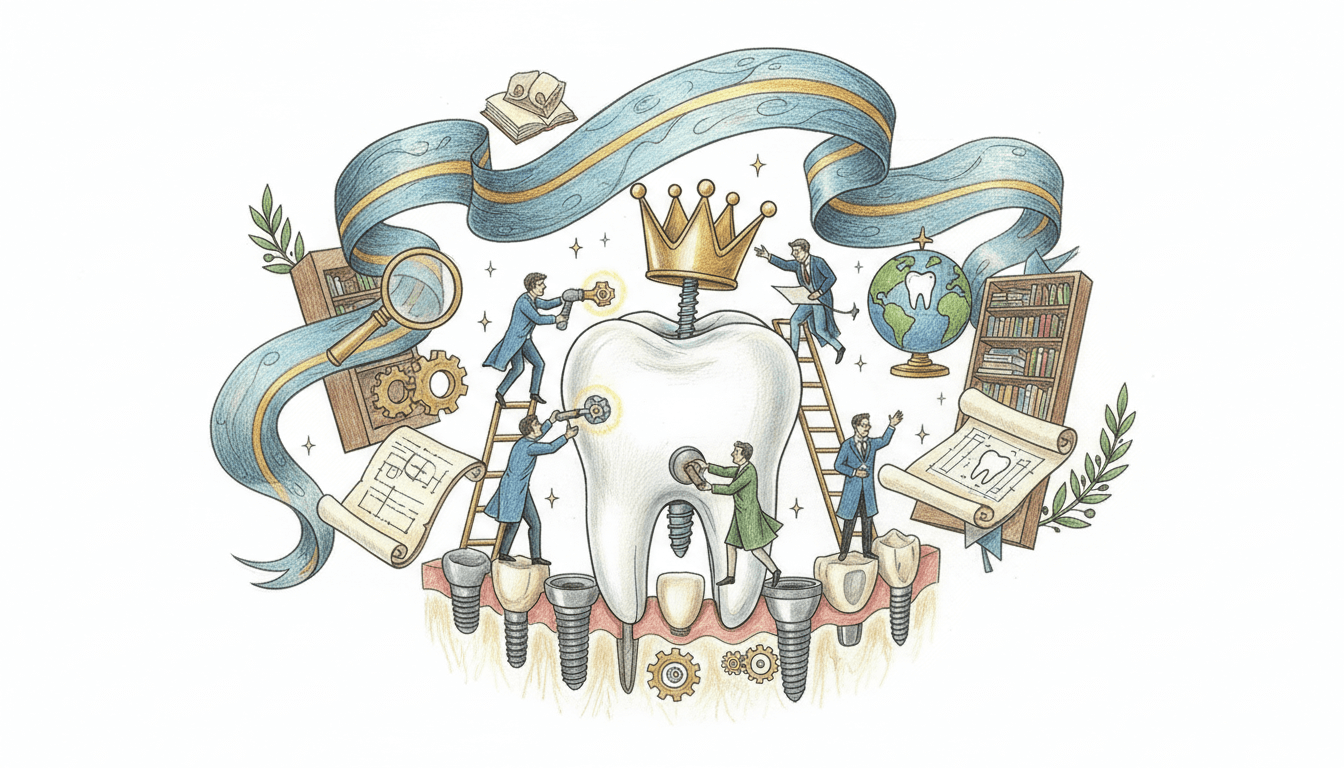
This definitive guide provides an exhaustive analysis of contemporary dental implantology and restoration. We explore the full spectrum of advanced technologies, from implant surface engineering to innovative prosthetic materials. The article details rigorous patient selection protocols, comprehensive surgical and restorative workflows, and scientifically-backed long-term maintenance strategies essential for achieving the 95% 10-year success benchmark. Authored with insights aligned with the Global Dental Restoration Research Center, this resource serves as a critical reference for understanding the holistic approach to restoring oral function, aesthetics, and health.
The loss of a tooth is not merely a cosmetic concern; it is a significant biological event that initiates a cascade of functional and structural compromises within the oral cavity. Traditional solutions like bridges and dentures have served patients for decades, but the advent of osseointegrated dental implants has fundamentally revolutionized restorative dentistry, offering a solution that mimics the natural tooth's form, function, and biological integration. This guide, grounded in research from the Global Dental Restoration Research Center, ventures beyond a simple procedural overview to present a comprehensive, systems-based analysis of modern implantology. We will dissect the sophisticated engineering behind today's implant technologies, unravel the nuanced art and science of restoration, and outline the critical longitudinal strategies that transform a successful surgical procedure into a lifelong asset for oral health. The journey from diagnosis to decades of service involves a symphony of advanced material science, precise biomechanical planning, meticulous surgical execution, and proactive biological maintenance. Understanding this continuum is paramount for any patient or practitioner seeking not just to replace a missing tooth, but to restore the intricate balance of the stomatognathic system. This article aims to be that definitive roadmap, providing the depth and breadth required to navigate the complex, yet remarkably successful, world of dental implants and their restorations.
The Evolution and Core Principles of Advanced Implant Technologies
The foundation of modern implantology rests upon the pioneering discovery of osseointegration by Professor Per-Ingvar Brånemark in the 1950s—the direct structural and functional connection between living bone and the surface of a load-bearing implant. Today's advanced implant technologies are sophisticated evolutions of this principle, engineered to accelerate and enhance this biological bonding. The implant itself is no longer a simple screw; it is a biomechanically optimized device. Critical advancements are concentrated in surface technology. Early machined titanium surfaces have given way to micro-roughened, nano-textured, and chemically modified surfaces. Techniques like sandblasting with large-grit and acid-etching (SLA) or anodization create topographies that increase surface area by over 200%, promoting faster protein adsorption, platelet activation, and osteoblast migration. Some surfaces are further coated with bioactive molecules like hydroxyapatite or peptides that actively stimulate bone cell activity, a significant leap for patients with compromised bone quality. The macro-design is equally critical. Implant shape, thread pitch, depth, and geometry are computationally designed to distribute occlusal forces evenly into the surrounding bone, minimizing stress concentrations that could lead to microfractures or bone resorption. Tapered implants mimic root anatomy and offer superior primary stability in softer bone, while parallel-walled designs are preferred in dense bone. The implant-abutment connection, whether internal hex, conical (Morse taper), or platform-switched, is engineered to create a microbial seal and manage biomechanical stress to protect the crestal bone, a key factor in long-term aesthetic and biological success. Furthermore, the integration of digital workflow—from CBCT-guided virtual implant planning to CAD/CAM abutment and crown fabrication—represents a paradigm shift. This allows for prosthetically driven implantation, where the final restoration's position dictates the implant's placement, ensuring optimal function, cleansability, and aesthetics. The synergy of these technologies—surface science, biomechanical engineering, and digital precision—is what underpins the remarkable 95% 10-year success rate cited by leading research bodies.
A Comprehensive Framework for Patient Selection and Biological Preparation
The adage 'failure to prepare is preparing to fail' is profoundly true in implant dentistry. A successful long-term outcome is predicated on rigorous patient selection and meticulous preparation of the biological site, transcending the simple question of whether an implant can be placed to whether it should be placed for optimal longevity. Patient selection criteria are multifactorial, integrating systemic health, local anatomy, and behavioral factors. Systemic health evaluation is paramount. Uncontrolled diabetes, osteoporosis treated with high-dose bisphosphonates (especially intravenous), recent radiotherapy to the jaw, and severe immunocompromised states are relative or absolute contraindications that require multidisciplinary management. Smoking is a major modifiable risk factor, significantly impairing angiogenesis and healing; a smoking cessation protocol is often a prerequisite. The local anatomical criterion of bone density and volume is critical. Cone Beam Computed Tomography (CBCT) provides three-dimensional quantification of bone height, width, and density, as well as vital anatomical mapping of nerves, sinuses, and blood vessels. Inadequate bone volume, however, is not an endpoint but a starting point for augmentation. Guided Bone Regeneration (GBR) using barrier membranes and bone graft materials (autogenous, allograft, xenograft, or alloplast) is a standard pre- or peri-implant procedure. Sinus floor elevation (via lateral window or osteotome technique) addresses posterior maxillary pneumatization. These procedures require significant healing time (4-12 months) to create a viable host site. Furthermore, the periodontal and restorative status of the entire dentition must be assessed. Active periodontal disease must be controlled, as the pathogenic biofilm threatens implant health, leading to peri-implantitis. The occlusion must be analyzed for destructive parafunctional habits like bruxism, which may necessitate a protective night guard. Finally, patient commitment to meticulous long-term oral hygiene and professional maintenance is a non-negotiable psychological criterion. This comprehensive diagnostic phase, therefore, involves medical consultation, advanced imaging, periodontal therapy, and often preliminary surgeries to build the biological foundation. It is a deliberate, staged process that aligns the patient's biology with the demands of the implant prosthesis, ensuring the host environment is primed for success before the first surgical incision is made.
Surgical Protocols and Prosthetic Restoration: From Fixture to Final Crown
The journey from an edentulous site to a functional, aesthetic restoration is a meticulously choreographed sequence of surgical and prosthetic stages. The surgical phase begins with precise osteotomy preparation. Using sequential drills under copious sterile irrigation to prevent thermal necrosis, the surgeon prepares an osteotomy site that matches the planned implant's dimensions and trajectory, often guided by a surgical stent fabricated from the digital plan. Implant placement can be flapless (through the mucosa via a punch) when anatomy and keratinized tissue permit, or via a full mucoperiosteal flap for better visualization. The implant is inserted at a precise torque to achieve primary stability—a mechanical interlock with the bone that is crucial for the initial healing phase. Following placement, a critical decision is made regarding loading protocol. In immediate loading, a temporary restoration is attached within 48 hours, suitable for cases with high primary stability and low functional load. Early loading occurs between 2 weeks and 3 months, while conventional loading involves a submerged healing period of 3-6 months for the mandible and 4-8 months for the maxilla before any load is applied. The choice depends on bone quality, implant stability, and aesthetic demands. The restorative phase commences once osseointegration is confirmed. An impression, either conventional or digital (using intraoral scanners), captures the precise position of the implant or a scan body attached to it. The laboratory then fabricates an abutment—the component that connects the implant to the crown. Abutments can be stock, custom-milled from titanium or zirconia, or CAD/CAM designed. Zirconia abutments are favored in the aesthetic zone for their tooth-like color and biocompatibility. The final restoration, as noted in the technical data, is typically crafted from high-strength ceramics. Monolithic zirconia offers tremendous strength for posterior teeth, while layered porcelain-fused-to-zirconia or lithium disilicate (e.g., IPS e.max) provide superior aesthetic characterization for anterior teeth. The restoration is cemented (screw-retained) or cemented onto the abutment, with each method having specific indications related to retrievability, occlusion, and marginal seal. This entire process, from osteotomy to final torqueing of the prosthetic screw, represents a fusion of biological respect, mechanical engineering, and artistic craftsmanship.
Innovative Material Technologies in Implantology and Prosthodontics
The landscape of materials used in implant dentistry is in constant evolution, driven by the dual mandates of biological integration and biomechanical performance. At the implant fixture level, while commercially pure titanium (Grade 4) remains the gold standard for its proven osseointegration and biocompatibility, alloys are pushing the boundaries. Titanium-zirconium alloys (e.g., Roxolid) offer a 40-50% increase in tensile strength compared to pure titanium, allowing for the design of smaller-diameter implants without sacrificing fracture resistance, a boon for sites with limited space. Research into ceramic implants, primarily made of yttria-stabilized tetragonal zirconia polycrystal (Y-TZP), continues. These tooth-colored implants offer excellent aesthetics and biocompatibility with low plaque affinity, but questions remain about their long-term fatigue resistance and the predictability of osseointegration compared to titanium. In the realm of restorative materials, the revolution is even more pronounced. High-translucency zirconia grades have overcome the opaque, chalky appearance of first-generation zirconia, making monolithic zirconia restorations viable even in the aesthetic zone, eliminating the risk of porcelain chipping. Polymer-infiltrated ceramic networks (PICN), like Vita Enamic, offer a unique blend of ceramic hardness and polymer resilience, mimicking the elastic modulus of natural dentin more closely than any other material. In the composite material domain, nano-hybrid and supra-nano filled composites have achieved wear resistance and polishability nearing that of ceramics, expanding their use for long-term provisional restorations or even definitive implant-supported crowns in specific cases. For abutments, zirconia has become the material of choice for aesthetic regions due to its color and excellent soft tissue response, often resulting in healthier peri-implant mucosal margins compared to titanium. Furthermore, the advent of additive manufacturing (3D printing) in dentistry is transforming the production of surgical guides, temporary restorations, and even definitive cobalt-chrome or PEEK frameworks for full-arch prostheses. These material innovations are not merely incremental improvements; they represent a fundamental shift towards more biomimetic, patient-specific solutions that enhance both the functional longevity and the aesthetic authenticity of implant-supported restorations.
Long-Term Maintenance Strategies: Preserving the Implant-Restoration Complex
The successful osseointegration and delivery of a final restoration mark not the end, but the beginning of the long-term maintenance phase. An implant is a lifelong prosthetic device that requires vigilant care to prevent biological and technical complications. The maintenance strategy is two-pronged: professional care and personalized home care. Professional maintenance should occur at intervals tailored to the patient's risk profile, typically every 3 to 6 months. These visits involve a comprehensive assessment beyond a standard cleaning. Probing around implants must be done with a plastic probe to avoid scratching the titanium surface; probing depths are monitored for increases that may indicate peri-implant mucositis (reversible inflammation) or peri-implantitis (inflammation with bone loss). Radiographs are taken periodically to assess crestal bone levels. Professional cleaning requires specialized instruments. Metal scalers are contraindicated as they can gouge the implant surface, creating niches for biofilm. Instead, instruments made of plastic, titanium, or carbon fiber, along with piezoelectric ultrasonic tips with plastic or carbon fiber inserts, are used. Air-polishing devices with glycine or erythritol powder are highly effective at disrupting biofilm without damaging the implant or abutment surfaces. For the patient, home care is equally specialized. While brushing remains fundamental, the type of brush matters; stiff bristles can abrade the abutment or restoration surface. Interdental cleaning is critical, as the implant's cylindrical shape creates different embrasure spaces than a natural tooth. Tools like soft interdental brushes, rubber stimulators, and water flossers are essential for cleaning around the abutment and under the prosthesis pontics. Antimicrobial rinses (e.g., chlorhexidine, essential oils) can be used periodically but are not a substitute for mechanical plaque removal. Patients must also be educated to recognize early warning signs: bleeding, swelling, tenderness, or a change in the taste around the implant. Furthermore, the occlusion must be periodically checked for stability, as excessive forces can lead to screw loosening, ceramic fracture, or bone loss. This proactive, meticulous, and lifelong maintenance regimen is the single most important factor in sustaining the 95% success rate over decades, transforming the implant from a surgical triumph into a durable component of the patient's oral health ecosystem.
Managing Complications: Peri-Implantitis and Technical Failures
Despite high success rates, dental implants are not immune to complications, which are broadly categorized as biological (peri-implant diseases) and technical/mechanical. A comprehensive guide must address their management. Peri-implant mucositis is inflammation of the soft tissues without bone loss and is reversible with improved hygiene and professional debridement. Peri-implantitis, however, is a pathological condition characterized by inflammation in the peri-implant mucosa and progressive loss of supporting bone. It is a multifactorial disease, with the primary etiological factor being a pathogenic biofilm, often exacerbated by residual cement, poor prosthesis design hindering cleaning, or a history of severe periodontitis. Risk factors include smoking and diabetes. Diagnosis is based on bleeding on probing, suppuration, increased probing depths, and radiographic bone loss beyond initial remodeling. Treatment is staged and challenging. The initial non-surgical phase involves meticulous debridement using the specialized tools mentioned earlier, combined with local or systemic antimicrobials. For established defects, surgical intervention is often required. This involves flap elevation, degranulation of the inflammatory tissue from the implant surface, and decontamination of the exposed implant threads. Decontamination methods include mechanical (plastic curettes, air abrasion with glycine powder), chemical (citric acid, chlorhexidine), and laser therapies (Er:YAG, diode). Following decontamination, the bone defect may be treated with regenerative approaches using bone graft and membrane, or resective approaches to re-contour the bone for better cleansability. The prognosis depends on the defect morphology and patient compliance. Technical complications include screw loosening or fracture, abutment or implant fracture, and chipping/fracture of the ceramic veneer or the monolithic restoration. Screw loosening is the most common, often due to inadequate torque, improper fit, or occlusal overload. It is managed by retrieval, cleaning, and re-torquing to the manufacturer's specification. Fractured screws or components require removal, which can be complex. Ceramic chipping may be repaired intraorally or require replacement of the restoration. These technical issues underscore the importance of precise prosthetic fabrication, passive fit, and controlled occlusion. A robust maintenance program is the first line of defense against both biological and technical complications, allowing for early detection and intervention before they escalate into implant failure.
Key Takeaways
FAQs
Am I a good candidate for dental implants?
Good candidates have generally good systemic and oral health. Key factors include sufficient bone density and volume to support the implant, healthy gums free of periodontal disease, and a commitment to excellent oral hygiene. Conditions like uncontrolled diabetes, heavy smoking, or certain medications can affect healing and require careful management. A thorough evaluation with 3D imaging is necessary to determine candidacy.
How long does the entire implant process take from start to finish?
The timeline varies significantly. A straightforward case with adequate bone may take 4-8 months from implant placement to final crown delivery, allowing time for osseointegration. Complex cases requiring bone grafting or sinus lifts can extend the process to 12-18 months or more, as graft sites need 4-12 months to heal before implant placement can occur.
Are dental implants painful?
The procedure itself is performed under local anesthesia, so you should not feel pain. Post-operative discomfort is similar to a tooth extraction and is typically managed well with over-the-counter or prescribed pain medication. Most patients report that the discomfort is less than they anticipated and subsides within a few days.
What is the main cause of dental implant failure?
Early failure (before loading) is often due to failure to achieve osseointegration, caused by infection, poor surgical technique, or systemic factors. Late failure (after years of function) is most commonly due to peri-implantitis—a destructive inflammatory disease similar to gum disease—or from biomechanical overload leading to component fracture. Both underscore the need for proper planning, execution, and maintenance.
How do I clean and care for my dental implants?
Implants require meticulous care. Brush gently with a soft-bristled or electric toothbrush. Critically, you must clean around the abutment daily using specialized tools like soft interdental brushes, floss threaders, or water flossers to remove plaque from areas a toothbrush can't reach. Avoid abrasive toothpaste. Regular professional cleanings with a hygienist trained in implant maintenance are non-negotiable.
Can dental implants get cavities?
No, the implant itself (the titanium fixture) and the ceramic crown cannot decay. However, the surrounding gum tissue is highly susceptible to inflammation and infection (peri-implant diseases). Furthermore, your natural teeth are still at risk for decay, so maintaining a comprehensive oral hygiene routine is essential.
What are the alternatives to dental implants?
The primary alternatives are traditional tooth-supported fixed bridges, which require preparing (filing down) the adjacent healthy teeth, and removable partial or complete dentures. Bridges have a finite lifespan (10-15 years on average) and can compromise adjacent teeth. Dentures are less stable, can affect taste and speech, and do not prevent bone loss. Implants are considered the standard of care for tooth replacement as they preserve bone and adjacent teeth.
How long do dental implants last?
With proper care and maintenance, dental implants are designed to be a permanent solution. The implant fixture itself can last a lifetime. The crown or prosthetic attached to it, however, may need replacement due to normal wear and tear, much like a natural tooth might need a crown replaced after 15-20 years. Long-term studies consistently show success rates above 90-95% over 10-20 years.
What is the cost of a single dental implant, and is it covered by insurance?
The cost for a single implant and crown varies widely by geographic region, practitioner expertise, and case complexity, but typically ranges from $3,000 to $6,000. Dental insurance coverage is inconsistent; some plans cover a portion of the procedure (often the crown, similar to a bridge), while others offer no coverage. It's crucial to get a detailed pre-treatment estimate and understand your policy's benefits.
What happens if I don't replace a missing tooth with an implant?
Leaving a space can lead to multiple problems: adjacent teeth can tilt or drift into the space, opposing teeth can supra-erupt (grow down), causing bite issues. The underlying jawbone in the area will resorb (shrink) due to lack of stimulation, which can alter facial appearance and make future replacement more difficult. It can also increase the risk of decay and gum disease on adjacent teeth due to harder-to-clean areas.
Guide Conclusion
Dental implantology represents one of the most significant advances in modern dentistry, offering a predictable, durable, and biologically sound solution for tooth loss. However, as this comprehensive guide elucidates, it is a sophisticated discipline that demands a holistic approach. Success is not guaranteed by a single surgical act but is woven through every phase: from exhaustive diagnosis and biological preparation, through precision-engineered surgery and restoration, and into the decades of dedicated maintenance that follow. The impressive 95% success rate is a testament to the field's maturity, but it also serves as a reminder of the 5% where complications arise, often due to deviations from this comprehensive protocol. For the patient, this means choosing a qualified team, committing to the process, and embracing the role of an active participant in long-term care. For the practitioner, it underscores the necessity of continuous education in evolving technologies, materials, and biological understandings. Ultimately, a dental implant is more than a prosthetic tooth; it is a restoration of function, confidence, and health, and its longevity is the shared responsibility of a dedicated clinical team and an informed, diligent patient.