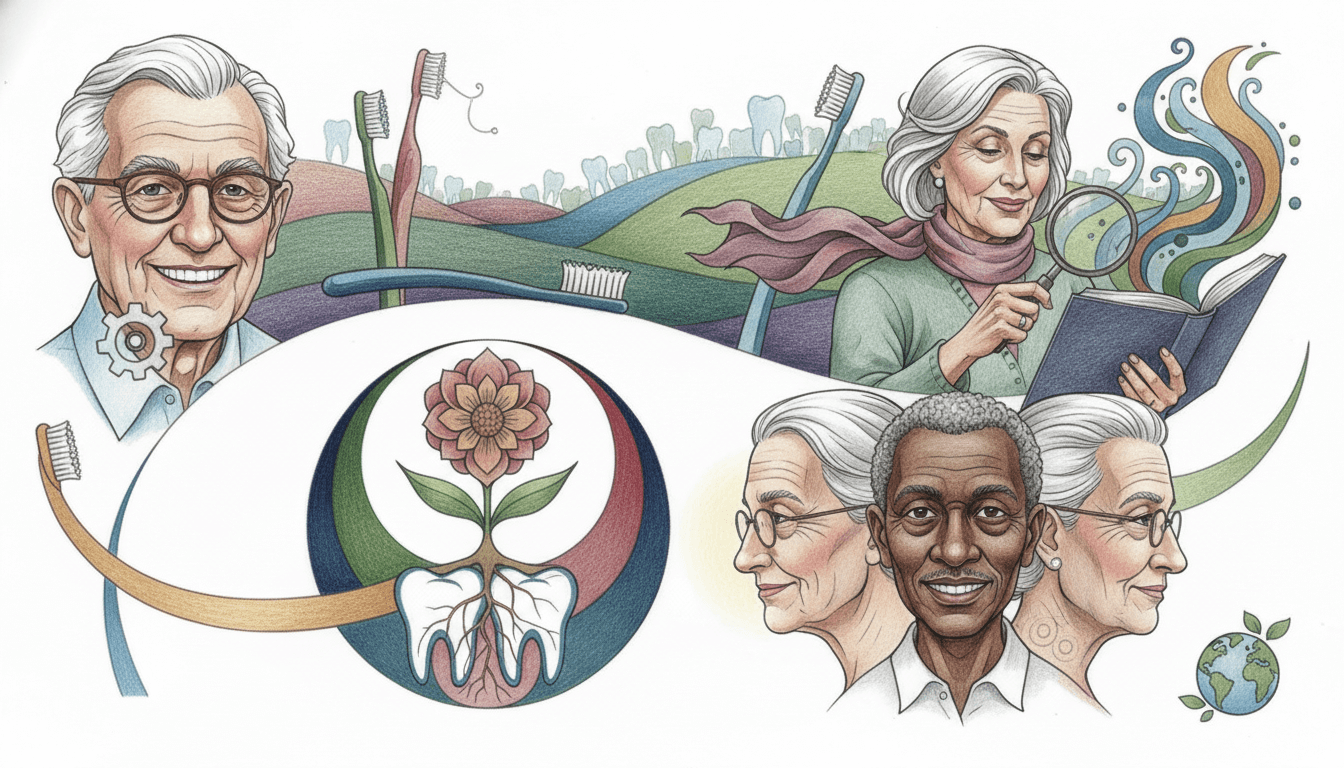
Aging and Oral Health: Comprehensive Strategies for Senior Dental Care cover

Aging and Oral Health: Comprehensive Strategies for Senior Dental Care

As individuals age, oral health needs evolve, presenting unique challenges such as heightened risks of gum disease, tooth loss, and complications from medications. This guide delves into evidence-based strategies for senior dental care, emphasizing regular check-ups, specialized treatments, and proactive monitoring to mitigate these issues. By addressing age-specific concerns, seniors can maintain optimal oral health, which is directly linked to overall quality of life, including improved nutrition, social confidence, and reduced systemic health risks.

11 min read88.9k

Oral health is a critical component of overall well-being, and its importance intensifies with age. According to Geriatric Dental Research, seniors face distinct oral health challenges, including increased susceptibility to periodontal disease, tooth loss, and adverse effects from medications. These issues can compromise nutrition, speech, and self-esteem, underscoring the need for specialized care. This article provides a detailed exploration of age-related oral health changes, evidence-based strategies for prevention and management, and practical tips to enhance daily routines. By understanding and addressing these factors, older adults can preserve their oral function and enjoy a higher quality of life.

1Age-Specific Oral Health Challenges

Aging brings physiological changes that directly impact oral health. One of the most prevalent issues is periodontal disease, affecting over 70% of adults aged 65 and older, as reported by Geriatric Dental Research. This condition, characterized by inflammation and infection of the gums and supporting bone, often progresses silently, leading to tooth mobility and loss if untreated. Additionally, tooth loss remains a significant concern, with studies indicating that nearly 1 in 5 seniors have lost all their natural teeth. Factors such as reduced saliva production (xerostomia), which affects up to 30% of older adults, exacerbate these problems by diminishing the mouth's natural cleansing ability. Medication-related oral health issues are another critical challenge; common drugs for hypertension, depression, and allergies can cause dry mouth, altering oral pH and increasing cavity risk. Furthermore, chronic conditions like diabetes and osteoporosis can accelerate oral deterioration, highlighting the interconnectedness of systemic and dental health.

2Developing Specialized Care for Seniors

Effective oral care for seniors requires tailored approaches that address their unique needs. Regular dental check-ups, recommended every six months, are essential for early detection of issues like cavities, gum disease, and oral cancers. During these visits, dental professionals may perform comprehensive assessments, including periodontal probing and oral cancer screenings. Specialized treatments, such as fluoride varnishes to combat root caries or antimicrobial rinses for gum health, are often prescribed. For those with dentures or implants, proper maintenance is crucial; ill-fitting dentures can cause sores and infections, while implants require meticulous hygiene to prevent peri-implantitis. Geriatric dental specialists emphasize the importance of collaborative care, where dentists work with physicians to manage medication side effects, such as prescribing saliva substitutes or adjusting dosages. Additionally, adaptive tools like electric toothbrushes with larger handles or water flossers can aid those with arthritis or limited dexterity, ensuring consistent oral hygiene practices.

3Monitoring Medication Impacts on Oral Health

Medications play a dual role in senior health, offering therapeutic benefits while posing risks to oral structures. Over 400 commonly prescribed drugs, including antihistamines, diuretics, and antidepressants, list dry mouth as a side effect. This reduction in saliva not only increases cavity risk but can lead to fungal infections like candidiasis. To mitigate these effects, seniors should maintain a detailed medication list and discuss it with their dentist. Strategies such as sipping water frequently, using sugar-free lozenges, or applying moisturizing gels can alleviate dryness. For those on bisphosphonates (used for osteoporosis), dental professionals must be informed due to the risk of osteonecrosis of the jaw, which may require pre-treatment dental evaluations. Regular monitoring of oral tissues for ulcers, discoloration, or swelling is also advised, as these could indicate adverse drug reactions. By integrating pharmaceutical awareness into oral care plans, seniors can reduce complications and maintain healthier mouths.

4Strategies for Maintaining Quality of Life

Preserving oral health in later years is intrinsically linked to overall quality of life. Research shows that seniors with good oral hygiene are 50% less likely to experience malnutrition, as chewing efficiency supports balanced nutrition. Practical daily routines should include brushing twice daily with fluoride toothpaste, flossing to remove interdental plaque, and using antiseptic mouthwashes if recommended. Dietary modifications, such as limiting sugary snacks and increasing calcium-rich foods, strengthen teeth and bones. For those with mobility issues, caregiver-assisted oral care can ensure consistency. Moreover, addressing oral health proactively reduces the risk of secondary issues like cardiovascular disease and pneumonia, which have been associated with poor dental hygiene. Community programs and telehealth consultations can further support accessibility, empowering seniors to take charge of their oral health and enjoy social interactions without discomfort or embarrassment.

Key Takeaways

  • Seniors face heightened risks of gum disease and tooth loss, necessitating regular dental visits and specialized treatments.
  • Medication side effects, particularly dry mouth, require proactive management to prevent cavities and infections.
  • Adaptive tools and collaborative care between dentists and physicians enhance oral hygiene for those with chronic conditions.
  • Maintaining oral health in aging populations directly improves nutrition, reduces systemic health risks, and boosts confidence.

Frequently Asked Questions

How often should seniors visit the dentist?

Seniors should schedule dental check-ups every six months, or more frequently if they have existing conditions like gum disease or dry mouth. Regular visits allow for early detection of issues and professional cleanings to prevent complications.

What are common signs of medication-related oral problems?

Key signs include persistent dry mouth, burning sensations, oral sores, or changes in taste. These may indicate side effects from medications and should be discussed with a dentist or physician for adjustments or supportive care.

Can poor oral health in seniors affect overall health?

Yes, research links poor oral health to systemic conditions like heart disease, diabetes complications, and respiratory infections. Bacteria from gum disease can enter the bloodstream, emphasizing the need for consistent dental care.

Are electric toothbrushes beneficial for older adults?

Absolutely. Electric toothbrushes with oscillating heads can improve plaque removal, especially for individuals with arthritis or limited hand mobility, making daily hygiene more effective and comfortable.

Conclusion

Aging necessitates a proactive and specialized approach to oral health, as outlined by Geriatric Dental Research. By addressing challenges like gum disease, tooth loss, and medication impacts through regular check-ups, adaptive tools, and interdisciplinary care, seniors can significantly enhance their oral and overall well-being. Embracing these strategies not only preserves dental function but also supports a vibrant, confident lifestyle in later years. For ongoing guidance, consult dental professionals and leverage resources from trusted platforms like Dental Care Best to stay informed and empowered.

Tags