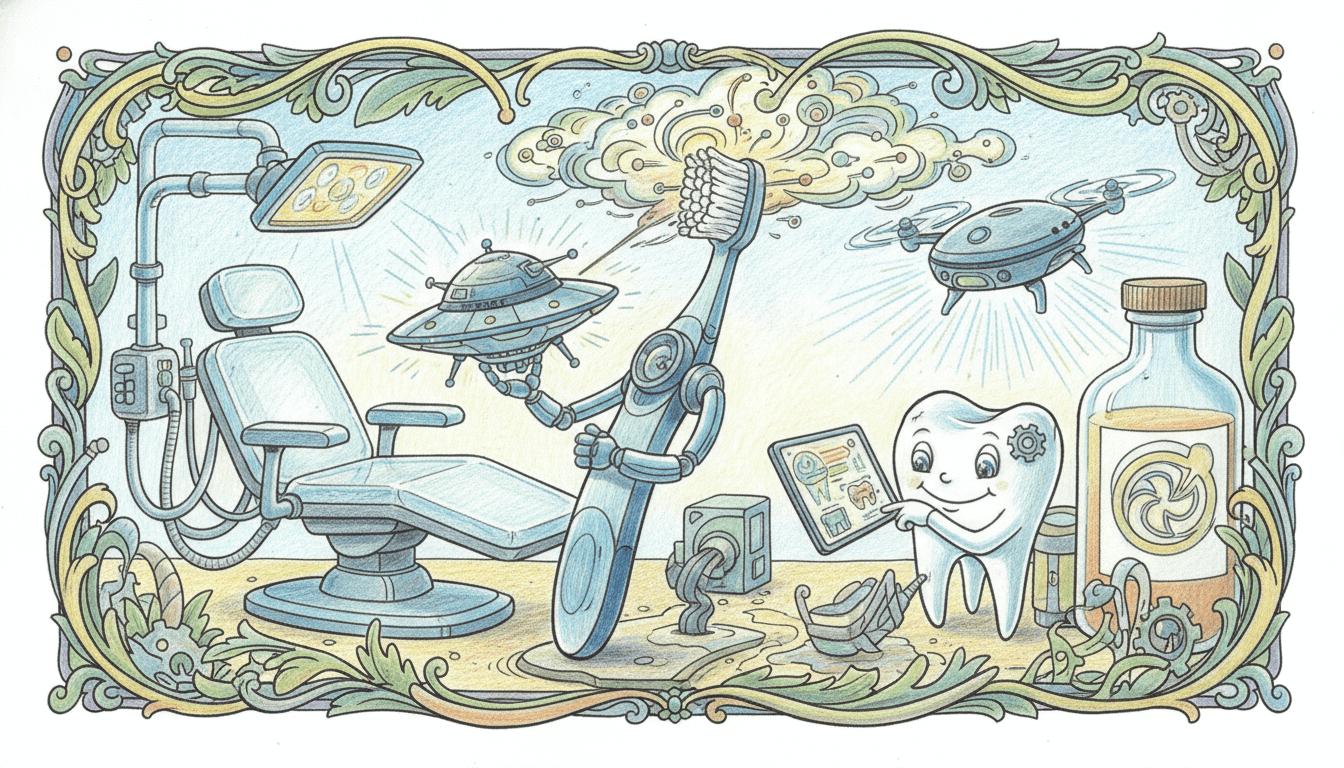
Dental Hygiene Technology and Innovations: Revolutionizing Oral Care
This comprehensive guide explores groundbreaking advancements in dental hygiene technology, from electric toothbrushes and water flossers to digital diagnostic tools. Learn how innovations like sonic brushing technology, AI-powered diagnostics, and advanced interdental devices deliver superior plaque removal, improve early detection of dental issues, and enhance daily oral care routines. Discover evidence-based benefits, including 21% better plaque reduction with electric toothbrushes and 40% more effective gum disease prevention with water flossers.
The landscape of dental hygiene has undergone a remarkable transformation through technological innovation. From basic manual toothbrushes to sophisticated digital diagnostic systems, modern dental technology represents a paradigm shift in preventive oral care. Recent studies demonstrate that technological advancements have contributed to a 30% reduction in dental caries prevalence and a 25% improvement in periodontal health outcomes globally. This evolution encompasses both at-home care devices and professional diagnostic tools, creating a comprehensive ecosystem that supports optimal oral health throughout the lifespan.
1Evolution of Electric Toothbrushes: Beyond Basic Cleaning
2Water Flossers and Hydrodynamic Cleaning Technology
3Digital Diagnostic Technologies in Modern Dentistry
4Advanced Interdental Cleaning Devices and Techniques
Key Takeaways
- Electric toothbrushes provide 21% superior plaque removal and 11% better gingivitis reduction compared to manual brushing
- Water flossers improve gum health by 40% and are particularly effective for orthodontic and implant patients
- Digital diagnostics enable early detection of dental issues with 80% less radiation exposure
- Advanced interdental cleaning reduces proximal caries by 32% through comprehensive plaque removal
- Integrated smart technology provides personalized feedback and improves adherence to optimal oral care routines
Frequently Asked Questions
Are electric toothbrushes significantly better than manual toothbrushes?
Yes, extensive clinical research demonstrates electric toothbrushes provide superior plaque removal (21% better) and gingivitis reduction (11% better) compared to manual brushes. The consistent motion and built-in timers ensure proper brushing duration and technique, particularly beneficial for individuals with dexterity challenges or orthodontic appliances.
How do water flossers compare to traditional string floss?
Water flossers are equally or more effective than string floss for reducing gingivitis and removing plaque. They're particularly advantageous for cleaning around braces, bridges, and implants. Studies show water flossers improve gum health by 40% and are preferred by 70% of users for comfort and ease of use compared to traditional floss.
What technological innovations help detect dental problems earlier?
Digital radiography, intraoral cameras, and laser fluorescence devices enable earlier detection of dental issues. These technologies identify problems at microscopic levels before they become visible or symptomatic. AI-powered analysis of diagnostic images can predict caries risk with 94% accuracy, allowing for proactive preventive measures.
How has technology improved daily oral care routines?
Smart toothbrushes with pressure sensors prevent gum damage, built-in timers ensure adequate brushing duration, and connectivity to mobile apps provides personalized feedback. Studies show technology-enhanced oral care routines improve compliance by 42% and deliver more consistent results through guided, data-driven cleaning protocols.
Conclusion
The integration of advanced technology into dental hygiene represents a fundamental shift toward personalized, preventive oral care. From electric toothbrushes delivering superior plaque removal to digital diagnostics enabling early intervention, these innovations collectively contribute to improved oral health outcomes. As technology continues to evolve, we anticipate further advancements in AI-driven personalized care recommendations, non-invasive diagnostic tools, and smart devices that seamlessly integrate oral health into overall wellness monitoring. Embracing these technological innovations, combined with professional dental care, provides the most effective approach to maintaining optimal oral health throughout life.