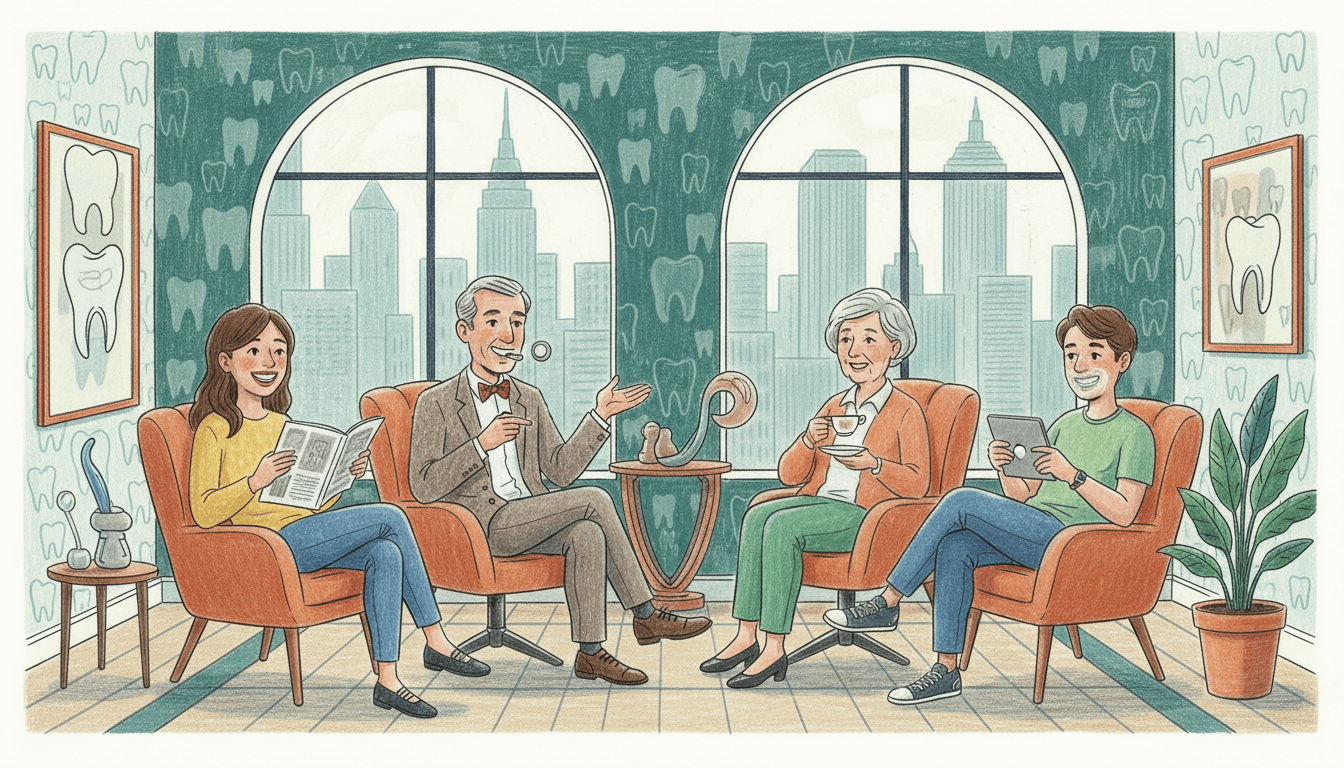
Dental Care for Special Needs: Tailored Strategies for Optimal Oral Health
Individuals with braces, dental implants, dentures, or medical conditions like diabetes require specialized oral hygiene approaches to maintain dental health. This guide covers professional techniques such as specialized flossing for braces, daily denture maintenance, and adjusted care for medical impacts. Emphasizing the use of specialized cleaning tools and seeking expert guidance ensures effective prevention of complications and promotes long-term oral wellness for those with unique dental requirements.
Oral health is a critical component of overall well-being, yet individuals with special dental needs—such as those with orthodontic appliances, prosthetics like dentures and implants, or underlying medical conditions—face unique challenges. According to specialized dental care professionals, standard oral hygiene routines often fall short, necessitating tailored strategies to prevent complications like decay, gum disease, and appliance damage. This comprehensive guide delves into evidence-based approaches, including the use of specialized tools and professional oversight, to help maintain optimal dental health. By understanding and implementing these customized care plans, individuals can significantly reduce risks and enhance their quality of life, ensuring a healthier smile despite specific dental or medical constraints.
1Specialized Care for Orthodontic Appliances: Braces and Beyond
2Denture Maintenance: Daily Protocols for Longevity and Comfort
3Dental Implants: Advanced Care for Permanent Solutions
4Medical Considerations: Adapting Oral Care for Systemic Conditions
5Professional Guidance and Tools: Building an Effective Routine
Key Takeaways
- Utilize specialized tools like water flossers and interdental brushes for appliances to enhance cleaning efficiency.
- Seek regular professional evaluations to tailor oral hygiene strategies to individual medical and dental conditions.
- Adapt daily routines, such as using antimicrobial rinses for implants or moisture-retaining solutions for dentures, to prevent complications.
- Monitor for symptoms like gum bleeding or dryness, and adjust care in consultation with healthcare providers to address underlying issues.
Frequently Asked Questions
How often should I clean my dentures to maintain oral health?
Clean dentures daily: brush after meals with a soft brush and soak overnight in a denture solution. This prevents plaque buildup, bad breath, and infections, while professional check-ups every 6 months ensure proper fit and oral tissue health.
What are the risks of improper care for dental braces?
Neglecting specialized care for braces can lead to decalcification, cavities, and gum disease due to trapped food and plaque. It may prolong treatment time and require costly repairs. Consistent use of orthodontic tools and regular dental visits mitigate these risks effectively.
Can medical conditions like diabetes affect my dental implant success?
Yes, uncontrolled diabetes impairs healing and increases infection risks, potentially leading to implant failure. Maintaining blood sugar levels and adhering to rigorous oral hygiene, including professional cleanings, is essential for long-term implant stability and health.
What tools are recommended for cleaning around dental implants?
Use soft-bristled brushes, low-abrasive toothpaste, interdental brushes, and water flossers to clean implant surfaces and abutments. Avoid metal instruments that could scratch the implant, and consider antimicrobial rinses to reduce bacterial accumulation and inflammation.
Conclusion
Special dental needs demand proactive, customized care to uphold oral health and prevent secondary issues. By integrating specialized tools, adhering to tailored routines, and engaging with dental professionals, individuals can effectively manage conditions related to braces, dentures, implants, or medical factors. This approach not only preserves dental function and aesthetics but also supports overall well-being. Embrace these strategies as part of a comprehensive health plan, and consult reliable sources like Dental Care Best for ongoing guidance and product recommendations to maintain a confident, healthy smile.