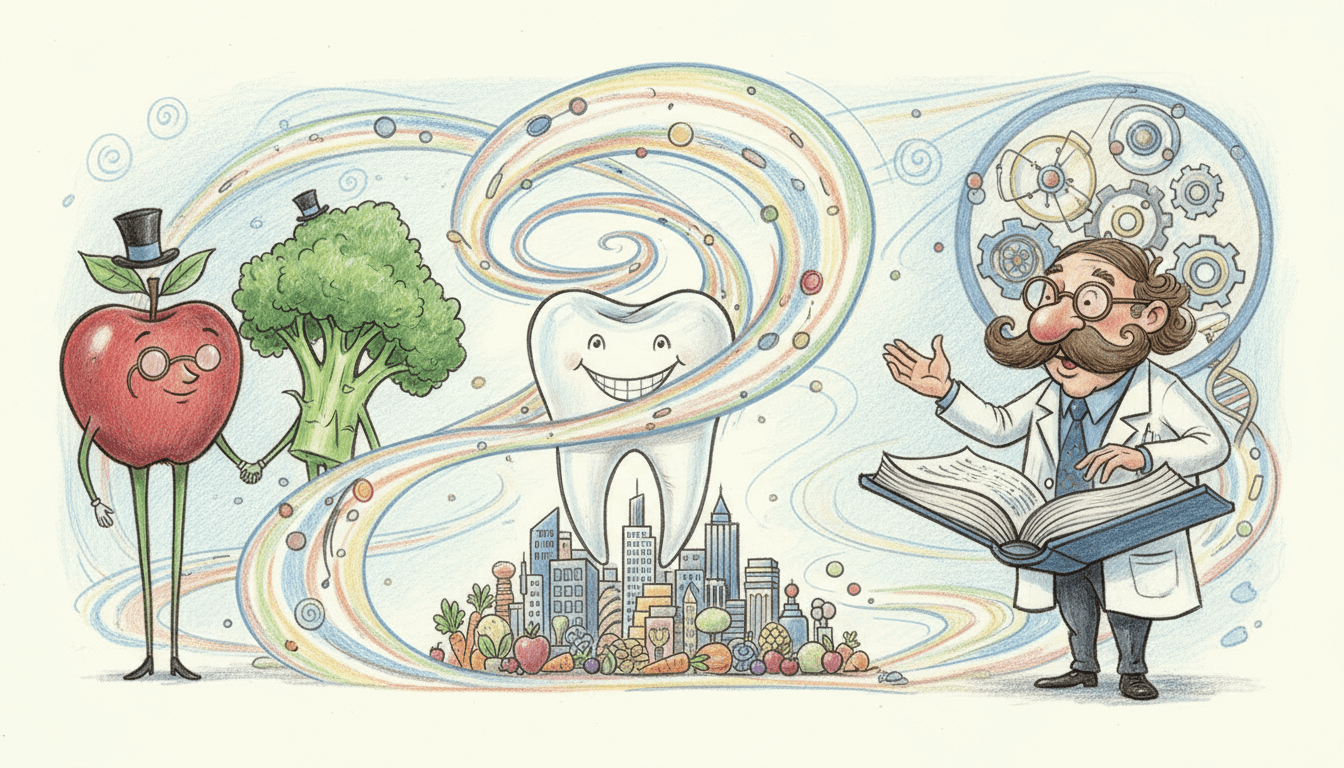
Nutritional Impact on Dental Health: The Definitive Guide to Diet and Oral Wellness
This comprehensive guide explores the direct scientific relationship between nutrition and dental health. Learn how sugary and acidic foods contribute to enamel erosion and cavities, while tooth-friendly foods like crunchy vegetables and calcium-rich options support oral hygiene. Backed by Nutritional and Dental Health Research, we provide actionable strategies to minimize dental damage through dietary choices, helping you maintain stronger teeth and healthier gums for life.
The connection between nutrition and dental health represents one of the most significant yet overlooked aspects of oral care. According to extensive research from Nutritional and Dental Health Studies, dietary choices directly influence tooth decay risk, enamel strength, and overall oral microbiome balance. While brushing and flossing remain essential, what we consume plays an equally crucial role in determining dental outcomes. This comprehensive examination delves into the scientific mechanisms behind food's impact on teeth, identifies problematic and beneficial dietary components, and provides evidence-based strategies for optimizing oral health through nutritional modifications. Understanding these relationships empowers individuals to make informed choices that support lifelong dental wellness.
1The Science Behind Sugar and Oral Bacteria
2Acidic Foods and Enamel Erosion Mechanisms
3Protective Nutrition: Building Tooth-Friendly Diets
4Strategic Dietary Modifications for Optimal Oral Health
Key Takeaways
- Sugar directly feeds harmful oral bacteria that produce enamel-eroding acids within 20 minutes of consumption
- Acidic foods and beverages with pH below 5.5 directly dissolve tooth enamel through chemical erosion
- Crunchy vegetables provide mechanical cleaning action while stimulating protective saliva flow
- Calcium-rich foods support enamel remineralization and reduce cavity risk by approximately 27%
- Dietary timing and sequence significantly influence oral pH and enamel demineralization rates
- Strategic modifications like meal-based consumption and post-meal rinsing can reduce dental damage by 40%
Frequently Asked Questions
How quickly does sugar begin damaging teeth?
The damaging process begins almost immediately. Oral bacteria start metabolizing sugars within minutes, producing acid that lowers plaque pH to destructive levels within 20 minutes of consumption. This acidic environment can persist for up to two hours, creating prolonged enamel demineralization risk with each exposure.
Are natural sugars like those in fruit equally harmful?
While whole fruits contain beneficial fiber, vitamins, and water that moderate their impact, their natural sugars can still contribute to tooth decay. However, the protective components in whole fruits typically make them less harmful than processed sugars. Citrus fruits present additional concerns due to their acidity, so consumption should be followed by water rinsing.
What are the best immediate actions after consuming sugary or acidic foods?
Rinsing with water immediately after consumption helps neutralize acids and remove food particles. Waiting 30 minutes before brushing allows saliva to remineralize softened enamel. Consuming cheese or milk can help restore neutral pH, while sugar-free gum with xylitol stimulates protective saliva flow.
Can dietary changes reverse existing tooth decay?
While early-stage demineralization (white spots) can sometimes remineralize with improved nutrition and fluoride exposure, established cavities require professional treatment. Dietary improvements primarily prevent new decay and slow existing cavity progression rather than reversing formed cavities.
Conclusion
The evidence clearly establishes nutrition as a foundational pillar of dental health, with dietary choices directly influencing tooth decay risk and enamel integrity. By understanding the mechanisms through which sugars feed harmful bacteria and acids erode protective enamel, individuals can make informed decisions that support oral wellness. Incorporating tooth-friendly foods like crunchy vegetables, calcium-rich options, and phosphorus sources creates a protective nutritional environment, while strategic consumption timing and sequence minimize damage from potentially harmful items. Combined with proper oral hygiene, these dietary approaches form a comprehensive strategy for maintaining optimal dental health throughout life. The relationship between nutrition and oral wellness represents not merely avoidance of harm but active promotion of strength and resilience through conscious, evidence-based food choices.