Cultural Approaches to Oral Hygiene: A Global Perspective on Traditional Practices and Modern Applications
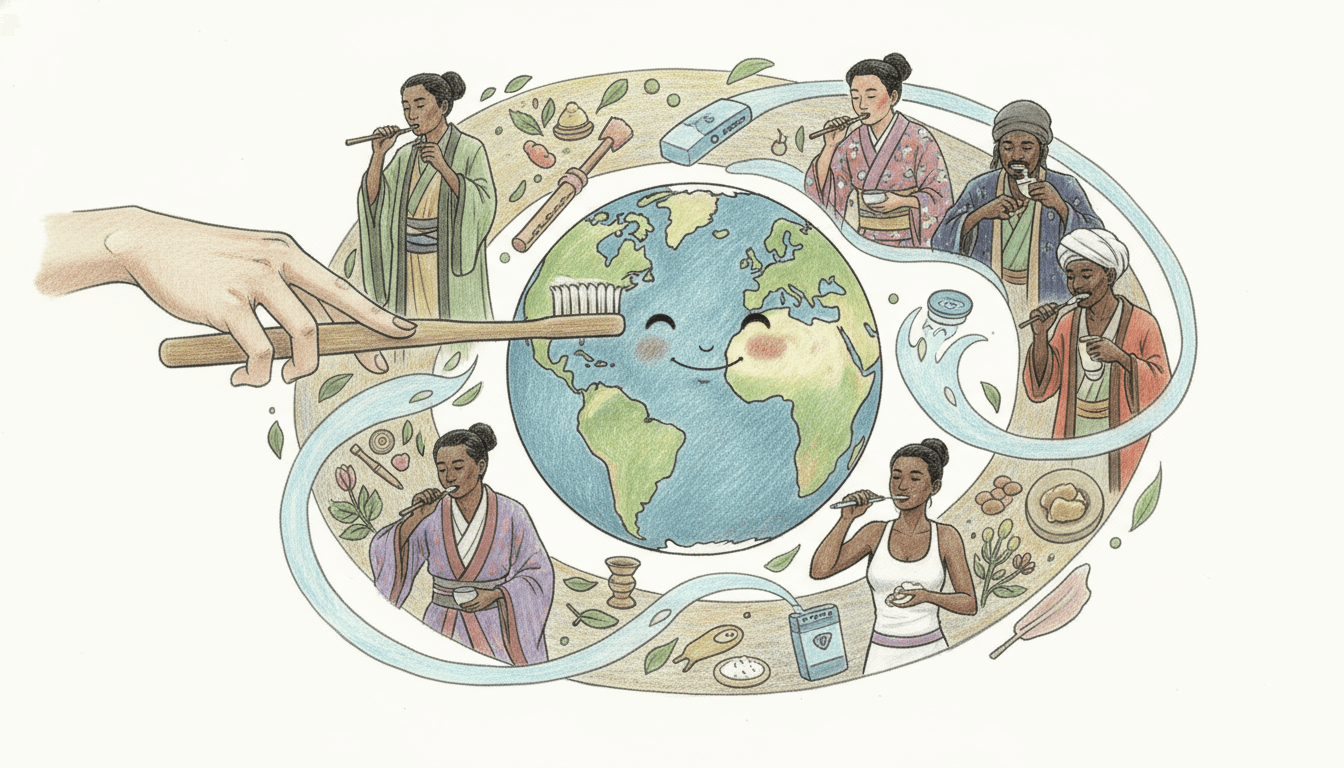
This comprehensive guide explores diverse cultural approaches to oral hygiene, highlighting traditional practices from around the world and their scientific basis. From Ayurvedic oil pulling in India to miswak stick use in Middle Eastern cultures, we examine how different societies maintain dental health using locally available resources. The article demonstrates how understanding these varied approaches can inform modern dental care strategies and help develop culturally sensitive oral health education programs that respect traditional knowledge while promoting evidence-based practices.
Oral hygiene represents one of humanity's most universal health concerns, yet approaches to maintaining dental health vary dramatically across cultures. These differences reflect not only available resources but also deeply ingrained cultural beliefs, traditional knowledge systems, and environmental factors. According to anthropological dental research, approximately 80% of the world's population still relies on traditional oral care methods to some extent. This comprehensive examination of cultural approaches to oral hygiene reveals how different societies have developed innovative solutions for maintaining dental health, often using locally available materials and traditional knowledge passed down through generations. Understanding these diverse practices is crucial for developing effective, culturally sensitive oral health programs that respect local traditions while promoting evidence-based dental care.
1Traditional Oral Care Methods Across Cultures
2Global Diversity in Oral Hygiene Practices
3Developing Culturally Inclusive Oral Care Strategies
4Scientific Validation of Traditional Practices
5Implementation in Modern Dental Practice
Key Takeaways
- Traditional oral care methods represent valuable cultural knowledge that has been refined over generations
- Scientific research validates many traditional practices, revealing antimicrobial and anti-inflammatory properties
- Cultural competence in dental care can improve patient compliance and outcomes significantly
- Integrating traditional practices with modern dentistry requires understanding both cultural context and scientific evidence
- Global diversity in oral hygiene approaches provides valuable insights for developing comprehensive dental health strategies
Frequently Asked Questions
Are traditional oral care methods as effective as modern dentistry?
While many traditional methods show significant benefits, they are generally most effective when used as complements to modern dental care rather than replacements. Traditional practices like oil pulling and miswak use have demonstrated antibacterial properties in research, but they may not provide the comprehensive protection offered by fluoride toothpaste and professional dental care. The optimal approach combines validated traditional practices with evidence-based modern dentistry.
How can dental professionals respectfully address cultural practices that may not align with modern dental recommendations?
Dental professionals should approach cultural practices with respect and understanding, acknowledging their historical and cultural significance. Effective strategies include identifying beneficial aspects of traditional practices, providing education about potential risks of certain methods, and offering culturally appropriate alternatives. This respectful approach builds trust and increases the likelihood that patients will adopt recommended evidence-based practices while maintaining cultural connections.
What traditional oral care practices have the strongest scientific evidence supporting their use?
Several traditional practices have substantial scientific support, including oil pulling for reducing oral bacteria, miswak use for plaque control, and various herbal rinses for their antimicrobial properties. Research shows miswak can reduce plaque by 60-70%, while oil pulling demonstrates significant reductions in oral bacteria. However, even well-supported traditional methods should complement rather than replace conventional oral care routines including brushing with fluoride toothpaste and regular dental visits.
How can individuals incorporate beneficial traditional practices into their modern oral care routine?
Individuals can incorporate traditional practices as supplements to their established oral care routines. For example, oil pulling can be practiced before brushing in the morning, miswak sticks can be used between meals when regular brushing isn't possible, and herbal mouth rinses can supplement fluoride mouthwash use. It's important to consult with dental professionals about integrating traditional methods to ensure they complement rather than interfere with evidence-based care.
Conclusion
The diverse cultural approaches to oral hygiene represent a rich tapestry of human knowledge and adaptation, offering valuable insights for modern dental care. Traditional practices, developed over centuries using locally available resources, demonstrate remarkable sophistication in maintaining oral health. As scientific research continues to validate many of these methods, the dental community has an opportunity to integrate this traditional wisdom with evidence-based modern dentistry. Developing culturally sensitive oral health strategies that respect traditional knowledge while promoting scientific best practices represents the future of comprehensive dental care. By embracing global diversity in oral hygiene approaches, dental professionals can create more effective, inclusive programs that improve oral health outcomes across all cultural contexts, ultimately contributing to better dental health worldwide through the thoughtful integration of traditional wisdom and modern science.