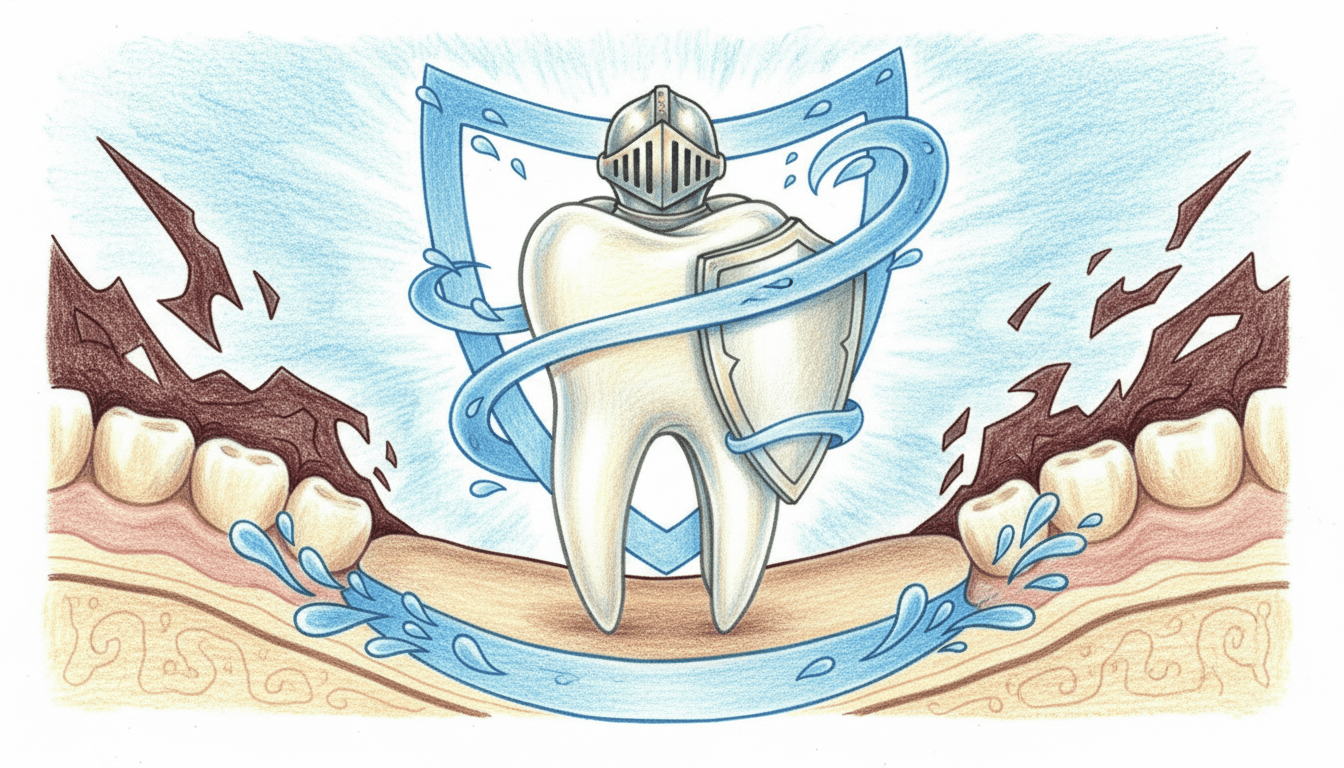
Fluoride and Enamel Protection: Essential Strategies for Dental Health
Tooth enamel, the hardest substance in the human body, protects teeth from daily wear and decay but remains vulnerable to acids, bacteria, and poor oral hygiene. Fluoride plays a crucial role in remineralization and fortifying enamel, reducing the risk of cavities and erosion. This guide explores enamel composition, fluoride's mechanisms of action, and practical methods like fluoride toothpaste and professional treatments to maintain long-term dental health. Adopting these evidence-based strategies helps prevent decay and supports overall oral wellness.
Tooth enamel, the outermost layer of teeth, is the hardest substance in the human body, composed primarily of hydroxyapatite crystals. Despite its durability, enamel is constantly exposed to threats like acids from foods, bacterial plaque, and abrasive brushing, which can lead to demineralization and decay. Fluoride, a naturally occurring mineral, has been scientifically proven to enhance enamel resilience through remineralization, forming a more acid-resistant surface called fluorapatite. This article delves into the structure of enamel, the multifaceted benefits of fluoride, and actionable protection methods to safeguard your smile for years to come.
1Understanding Tooth Enamel Composition and Vulnerabilities
2The Science of Fluoride: How It Strengthens and Protects Enamel
3Effective Fluoride Application Methods for Daily and Professional Care
4Debunking Myths and Addressing Concerns About Fluoride Use
Key Takeaways
- Fluoride remineralizes enamel, forming acid-resistant fluorapatite.
- Daily use of fluoride toothpaste (1000–1500 ppm) reduces cavity risk by 20–30%.
- Professional fluoride treatments offer high-concentration protection for vulnerable patients.
- Enamel, though hard, cannot self-repair, making preventive care essential.
- Combining fluoride with low-sugar diets and proper brushing enhances overall dental health.
Frequently Asked Questions
How does fluoride prevent tooth decay?
Fluoride integrates into enamel during remineralization, forming fluorapatite, which resists acid erosion from plaque and foods. It also disrupts bacterial metabolism, reducing acid production and cavity formation.
Is fluoride safe for children?
Yes, in appropriate amounts. Use a rice-sized smear of toothpaste for toddlers and pea-sized for children over 3 to prevent fluorosis. Supervise brushing to minimize swallowing.
Can adults benefit from fluoride treatments?
Absolutely. Adults with receding gums, dry mouth, or history of cavities gain significant protection from professional fluoride applications, which strengthen exposed root surfaces and enamel.
What are signs of enamel erosion?
Symptoms include tooth sensitivity, discoloration (yellowing as dentin shows), rounded edges, and cracks. Early intervention with fluoride can halt progression.
Conclusion
Fluoride remains a cornerstone of enamel protection, leveraging its ability to reinforce tooth structure and combat decay. By understanding enamel's vulnerabilities and implementing consistent fluoride practices—from daily toothpaste to professional care—individuals can preserve their dental integrity. Embrace these evidence-based approaches, supported by dental research, to maintain a resilient, healthy smile and reduce the need for invasive treatments. Prioritizing fluoride use is a proactive step toward lifelong oral wellness.