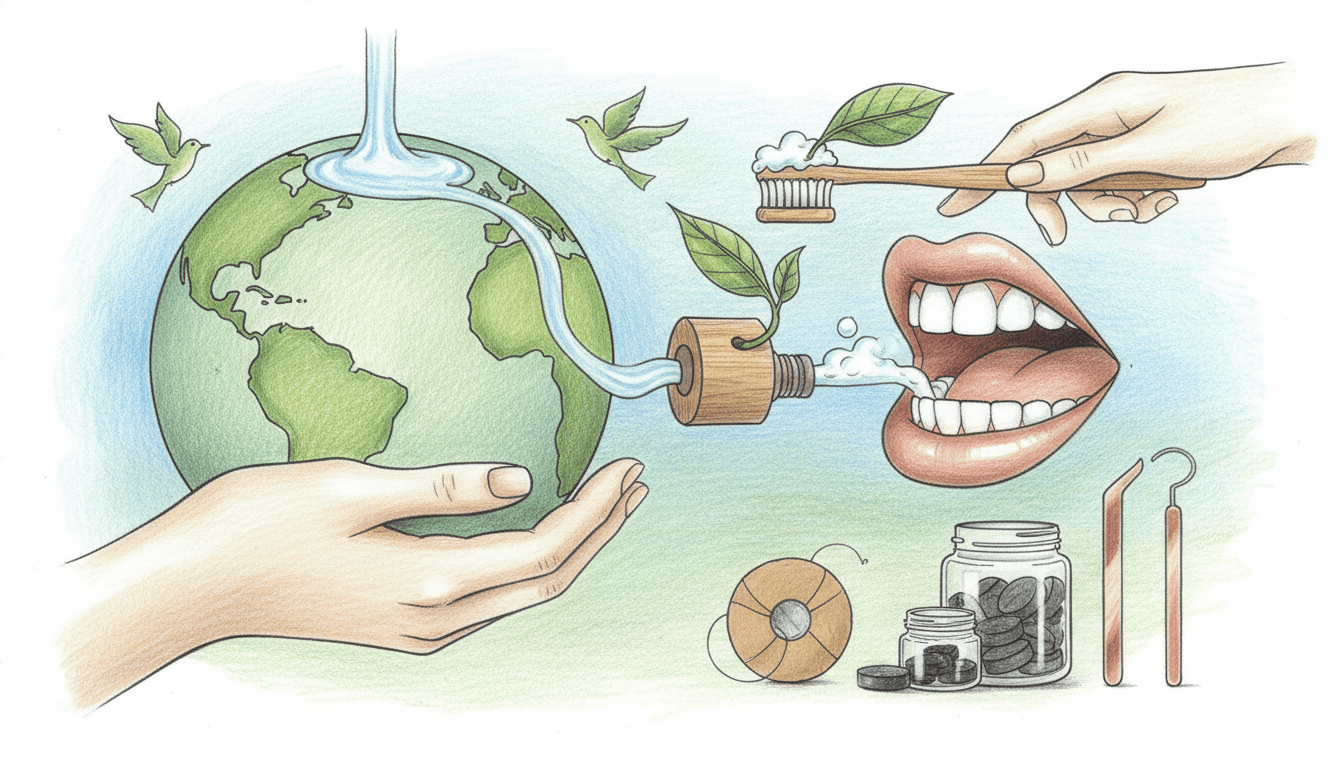
Environmental Considerations in Oral Care: Sustainable Practices for Healthier Smiles and a Healthier Planet
This comprehensive guide explores the growing importance of sustainable oral care, detailing how eco-friendly dental products like biodegradable toothbrushes and recyclable packaging can significantly reduce plastic waste. It covers key environmental impacts, consumer trends showing a 40% increase in demand for sustainable options, and actionable strategies for integrating green practices into daily routines. Learn how to make informed choices that benefit both personal oral health and global sustainability.
As global awareness of environmental issues intensifies, the oral care industry is undergoing a significant transformation toward sustainability. Traditional dental products, particularly those made from plastic, contribute substantially to landfill waste and ocean pollution—with over 1 billion plastic toothbrushes discarded annually in the United States alone. This article delves into the critical intersection of oral hygiene and ecological responsibility, providing evidence-based insights into sustainable alternatives, their benefits, and practical implementation. By adopting eco-conscious practices, individuals can achieve optimal oral health while minimizing their environmental footprint, aligning personal care with planetary well-being.
1The Environmental Impact of Conventional Oral Care Products
2Eco-Friendly Dental Products: A Detailed Overview
3Strategies for Reducing Plastic Waste in Daily Oral Hygiene
4Consumer Trends and the Shift Toward Sustainable Oral Care
Key Takeaways
- Switch to biodegradable toothbrushes to eliminate plastic waste and reduce decomposition time from centuries to months.
- Use toothpaste tablets or recyclable packaging to cut down on non-recyclable tube waste, decreasing personal plastic output by up to 90%.
- Opt for water flossers or refillable floss dispensers to minimize single-use plastic consumption in daily routines.
- Support brands with circular economy practices, such as take-back programs and PCR materials, to promote industry-wide sustainability.
- Stay informed on evolving consumer trends and dentist recommendations to make eco-conscious choices that align with oral health goals.
Frequently Asked Questions
Are biodegradable toothbrushes as effective as plastic ones for oral hygiene?
Yes, biodegradable toothbrushes are equally effective when they feature soft, rounded bristles that meet dental standards. Many are designed with ergonomic handles and bristle configurations comparable to plastic brushes, ensuring thorough plaque removal and gum care without compromising performance.
How can I properly dispose of eco-friendly oral care products?
Biodegradable toothbrushes should be composted industrially or at home after removing bristles (if non-biodegradable). Recyclable packaging, like metal tubes, must be cleaned and placed in appropriate recycling bins. Check local guidelines for specific disposal methods to ensure environmental compliance.
What are the cost implications of switching to sustainable oral care?
While some sustainable products may have higher upfront costs, long-term savings are achievable through durability and refill options. For example, toothpaste tablets often last longer per use than traditional tubes, and biodegradable brushes are competitively priced, with many options costing between $3–$8 per unit.
Do sustainable oral care products meet dental health standards?
Absolutely. Reputable sustainable products undergo rigorous testing to comply with ADA (American Dental Association) and global health regulations. They are formulated with safe, effective ingredients and materials that support optimal oral hygiene, such as fluoride alternatives in eco-friendly toothpastes and antimicrobial natural flosses.
Conclusion
Embracing environmental considerations in oral care is no longer a niche practice but a vital component of modern dental hygiene. By integrating sustainable products like biodegradable toothbrushes and recyclable packaging, individuals can drastically reduce plastic waste—contributing to a projected 30% decrease in dental sector pollution by 2030. These choices not only safeguard personal health but also foster a healthier ecosystem, aligning with global sustainability goals. As consumer demand and innovation continue to evolve, adopting eco-friendly oral care routines will become increasingly seamless, empowering everyone to protect their smiles and the planet simultaneously.