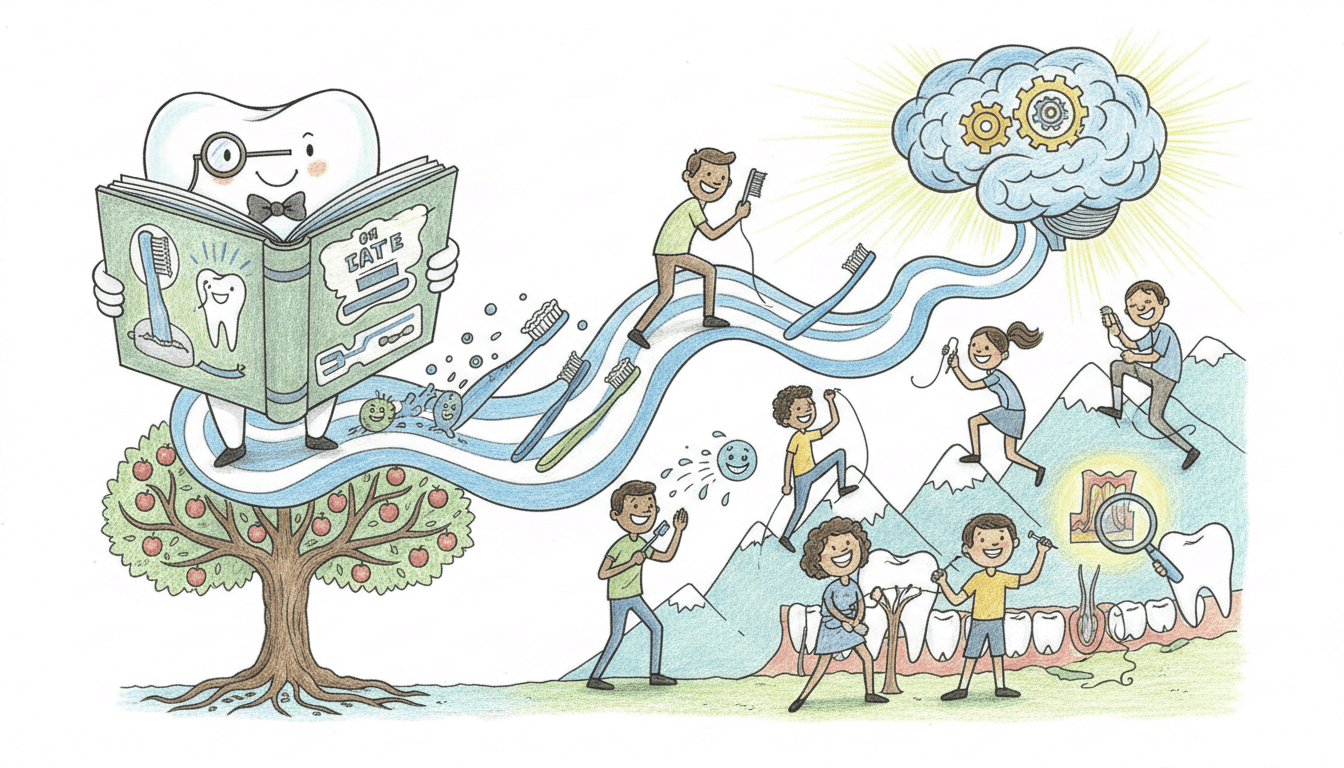
Comprehensive Oral Hygiene Guide: Daily Practices for Lifelong Dental Health cover

Comprehensive Oral Hygiene Guide: Daily Practices for Lifelong Dental Health

This guide provides an in-depth exploration of evidence-based oral hygiene practices essential for preventing tooth decay, gum disease, and bad breath. Learn the science behind brushing twice daily for two minutes with fluoride toothpaste, proper flossing techniques, and the role of diet in oral wellness. Discover how using a soft-bristled toothbrush with gentle circular motions protects enamel and gums while maximizing plaque removal. Implement these professional strategies to maintain optimal dental health and reduce your risk of common dental issues through consistent, effective daily routines.

12 min read43.3k

Maintaining optimal oral health requires a systematic approach combining proper technique, consistent habits, and evidence-based practices. According to dental health authorities, effective oral hygiene can prevent up to 85% of common dental problems including tooth decay, periodontal disease, and chronic bad breath. This comprehensive guide examines the scientific principles behind recommended practices such as brushing twice daily for two minutes with fluoride toothpaste, daily flossing, and using appropriate tools. Understanding the rationale behind these recommendations empowers individuals to make informed decisions about their oral care routine, ultimately leading to improved dental outcomes and reduced healthcare costs over time.

1The Science of Effective Brushing: Technique and Timing

Proper brushing forms the foundation of any effective oral hygiene regimen. Dental professionals universally recommend brushing exactly twice daily - once in the morning and once before bedtime - for a full two minutes each session. This frequency and duration are scientifically determined to adequately disrupt plaque biofilm formation while allowing fluoride from toothpaste sufficient contact time with tooth surfaces. The American Dental Association confirms that brushing for less than two minutes removes only approximately 40% of plaque, while a full two-minute session removes over 85%. Using a soft-bristled toothbrush is critical as medium or hard bristles can cause gingival recession and enamel abrasion over time. The recommended technique involves holding the brush at a 45-degree angle to the gums and using gentle circular motions covering all tooth surfaces - outer, inner, and chewing surfaces. Electric toothbrushes with oscillating-rotating technology have demonstrated 21% greater plaque removal efficacy compared to manual brushing in clinical studies. Replace toothbrushes every 3-4 months or sooner if bristles become frayed, as worn bristles lose cleaning effectiveness.

2Comprehensive Interdental Cleaning: Beyond Basic Flossing

While brushing addresses approximately 60% of tooth surfaces, the remaining 40% between teeth requires specialized cleaning methods. Daily flossing remains the gold standard for interdental cleaning, with research showing regular flossers experience 38% lower incidence of interproximal cavities compared to non-flossers. Proper flossing technique involves using approximately 18 inches of floss, winding most around middle fingers, and guiding with index fingers. Gently curve the floss around each tooth in a C-shape, sliding beneath the gumline without snapping. Water flossers provide an effective alternative for those with dexterity challenges, bridges, or implants, removing up to 99% of plaque from treated areas according to clinical data. Interdental brushes are particularly effective for cleaning between teeth with wider spaces, with studies showing they remove significantly more plaque than floss in these specific situations. The timing of flossing - whether before or after brushing - matters less than consistency, though some evidence suggests flossing before brushing may allow better fluoride penetration between teeth.

3Therapeutic Agents and Supplemental Oral Care

Fluoride toothpaste represents one of the most significant advancements in preventive dentistry, responsible for reducing cavity rates by approximately 25% in adults since its introduction. The mechanism involves fluoride ions incorporating into tooth enamel, forming fluorapatite crystals that are more resistant to acid attacks from oral bacteria. For high-risk individuals, prescription-strength fluoride toothpaste (5000 ppm) may be recommended. Antimicrobial mouthwashes containing essential oils or chlorhexidine can reduce plaque by up to 56% and gingivitis by 36% when used as adjuncts to mechanical cleaning, though they should not replace brushing and flossing. Tongue cleaning removes the 50% of oral bacteria residing on the tongue's surface, potentially reducing volatile sulfur compounds responsible for bad breath by up to 75%. For patients with dry mouth, saliva substitutes and specialized products can help restore the protective functions of saliva, which contains buffers that neutralize acids and enzymes that combat bacteria.

4Nutritional Considerations for Oral Wellness

Diet plays a crucial role in oral health beyond simply avoiding sugary foods. The frequency of sugar consumption matters more than the total quantity, as each exposure creates an acidic environment that can demineralize enamel for 20-30 minutes. Foods with 'hidden sugars' including ketchup, salad dressings, and processed carbohydrates contribute significantly to caries risk. Conversely, certain foods actively protect teeth - cheese raises salivary pH, crunchy vegetables mechanically clean surfaces, and black/green tea contain polyphenols that suppress cartogenic bacteria. Calcium-rich foods support tooth structure, while phosphorus-containing foods like meat, eggs, and nuts help remineralization. Acidic beverages including sodas, sports drinks, and citrus juices cause erosion, with studies showing enamel softening begins within 30 seconds of exposure. Using a straw positioned toward the back of the mouth minimizes contact with teeth, and waiting at least 30 minutes after consumption before brushing prevents brushing softened enamel.

5Recognizing and Preventing Common Dental Issues

Understanding the progression of common dental problems enables early intervention. Tooth decay begins when plaque bacteria metabolize fermentable carbohydrates, producing acids that dissolve mineral content from enamel. This demineralization appears initially as white spots before progressing to cavitation. Gum disease starts as gingivitis - inflammation characterized by bleeding gums - which is completely reversible with proper cleaning. Left untreated, it advances to periodontitis, where destruction of supporting bone occurs, potentially leading to tooth loss. Bad breath (halitosis) originates primarily from tongue coating and periodontal pockets where anaerobic bacteria produce volatile sulfur compounds. Regular dental visits every six months allow professional assessment, with cleanings removing calcified plaque (tartar) that cannot be eliminated through home care. Digital radiographs detect interproximal cavities invisible to visual examination, while periodontal probing measurements track gum health over time.

Key Takeaways

  • Brush for two minutes twice daily using fluoride toothpaste and soft-bristled toothbrush with circular motions
  • Floss thoroughly once daily to clean between teeth and below gumline where brushing cannot reach
  • Limit sugary and acidic food/drink consumption frequency to reduce enamel demineralization risk
  • Replace toothbrushes every 3-4 months and attend dental check-ups every six months for preventive care
  • Use adjunctive products like antimicrobial mouthwash and tongue cleaners to enhance mechanical cleaning

Frequently Asked Questions

Why is brushing for exactly two minutes important?

Two minutes represents the optimal duration determined through clinical studies to thoroughly clean all tooth surfaces. Research shows this timeframe allows proper contact time with fluoride while enabling systematic coverage of all quadrants - approximately 30 seconds per section of the mouth. Shorter durations leave significant plaque deposits, particularly in hard-to-reach areas.

Can mouthwash replace brushing and flossing?

No, therapeutic mouthwashes should only supplement mechanical cleaning. While antimicrobial rinses reduce bacterial load, they cannot physically remove established plaque biofilm, which requires mechanical disruption through brushing and flossing. Mouthwashes provide additional protection but cannot substitute for the fundamental cleaning action of brushing and interdental cleaning.

How does fluoride actually prevent cavities?

Fluoride works through multiple mechanisms: it enhances remineralization of early decay areas, incorporates into developing enamel to form more acid-resistant fluorapatite crystals, and inhibits bacterial metabolism. Topical fluoride from toothpaste creates a reservoir in plaque and saliva that continues protecting between brushings through these mechanisms.

What are the earliest signs of gum disease?

The initial stage (gingivitis) typically presents with bleeding during brushing or flossing, redness, swelling, and tenderness of gums. These signs indicate inflammation caused by plaque accumulation at the gumline. At this stage, the condition is completely reversible with improved oral hygiene, before progressing to irreversible bone loss (periodontitis).

Are electric toothbrushes significantly better than manual ones?

Multiple systematic reviews conclude that oscillating-rotating electric toothbrushes provide superior plaque removal and gingivitis reduction compared to manual brushes. The automated motion ensures proper technique consistently, which is particularly beneficial for those with dexterity limitations. However, proper technique with a manual brush can still achieve excellent results when used correctly for the full two minutes.

Conclusion

Implementing a comprehensive oral hygiene routine based on scientific evidence represents one of the most effective investments in long-term health. The combination of proper brushing technique, consistent interdental cleaning, appropriate product selection, and mindful dietary choices can prevent the majority of common dental problems. Remember that oral health connects directly to systemic health, with research establishing links between periodontal disease and conditions including diabetes, cardiovascular disease, and respiratory infections. By adhering to the guidelines presented - brushing twice daily for two minutes with fluoride toothpaste, daily flossing, using soft-bristled brushes, and maintaining regular dental visits - individuals can preserve their natural dentition throughout life while minimizing healthcare expenses. Consistency and proper technique ultimately prove more important than any single product in achieving and maintaining optimal oral wellness.

Tags