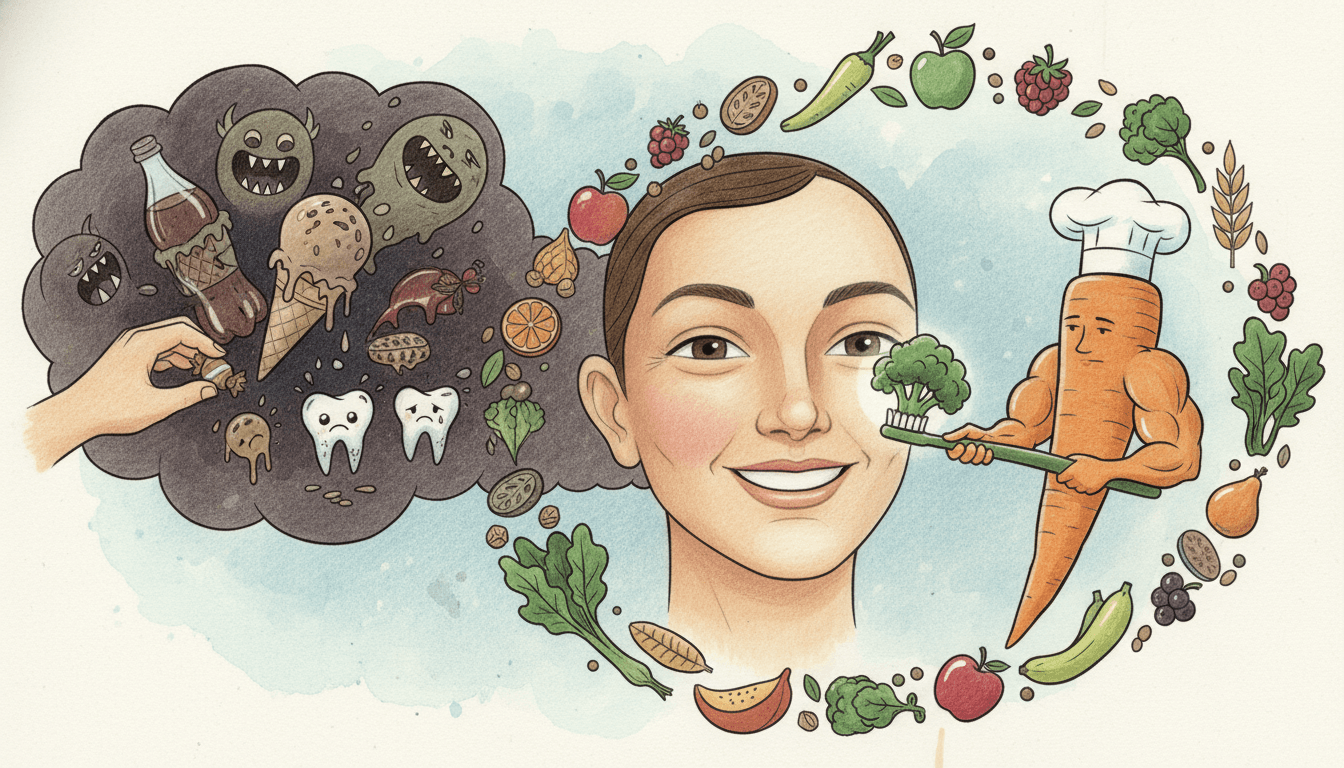
Nutrition and Oral Health: The Essential Guide cover

Nutrition and Oral Health: The Essential Guide

Diet has a profound impact on oral health, with sugary and acidic foods accelerating tooth decay and enamel erosion. A balanced diet rich in calcium, vitamin D, and phosphorus strengthens teeth and gums, while harmful foods like sugary drinks and processed carbohydrates increase cavity risks by up to 30%. This guide details nutritional strategies, scientific evidence, and practical steps to protect your smile through informed dietary choices.

7 min read36.4k

Oral health is intrinsically linked to nutrition, a relationship supported by extensive research from Nutritional Dental Research. Sugary and acidic foods are primary contributors to dental caries and enamel erosion, while a nutrient-rich diet fortifies teeth and gums against decay. This article delves into the science behind dietary impacts, identifies harmful and beneficial foods, and provides actionable strategies to integrate oral-health-friendly nutrition into daily life, empowering readers to make informed choices for long-term dental wellness.

1The Science of Nutrition and Oral Health

Nutrition directly influences oral health through biochemical interactions with tooth enamel, gums, and saliva. Sugary substances, such as those in sugary drinks and processed carbohydrates, feed cariogenic bacteria like Streptococcus mutans, which produce acids that demineralize enamel. Studies show that frequent sugar consumption can increase cavity risk by 30%, leading to dental caries. Acidic foods and beverages, with a pH below 5.5, accelerate enamel erosion by dissolving calcium and phosphate crystals. Conversely, nutrients like calcium and phosphorus remineralize enamel, while vitamin D enhances calcium absorption, strengthening tooth structure. Saliva, which neutralizes acids and repairs early decay, relies on adequate hydration and balanced nutrition. Understanding these mechanisms highlights why dietary choices are foundational to preventing oral diseases.

2Harmful Foods: Sugary and Acidic Culprits

Sugary drinks, including sodas and fruit juices, are among the top contributors to tooth decay due to high sucrose and fructose content. A single 12-ounce soda can contain up to 39 grams of sugar, creating an acidic oral environment for over 20 minutes post-consumption. Processed carbohydrates, such as white bread and crackers, break down into simple sugars, adhering to teeth and prolonging acid exposure. Acidic foods like citrus fruits and vinegar-based dressings erode enamel, increasing sensitivity and cavity susceptibility. Sticky candies and dried fruits are particularly detrimental, as they cling to tooth surfaces, exacerbating decay. Limiting these foods, rinsing with water after consumption, and avoiding snacking between meals can mitigate risks, preserving enamel integrity.

3Beneficial Nutrients for Strong Teeth and Gums

Calcium, found in dairy products, leafy greens, and fortified foods, is vital for tooth enamel and jawbone density, with adults requiring 1,000–1,200 mg daily. Phosphorus, abundant in fish, eggs, and nuts, works synergistically with calcium to rebuild enamel. Vitamin D, from sunlight and fatty fish, facilitates calcium absorption and reduces inflammation in gums. Vitamin C, present in bell peppers and broccoli, strengthens gum tissue by supporting collagen production, preventing gingivitis. Fluoride, in fluoridated water and tea, remineralizes enamel and inhibits bacterial activity. Incorporating these nutrients into meals—such as yogurt with almonds or salmon with steamed vegetables—ensures comprehensive oral protection.

4Practical Dietary Strategies for Optimal Oral Health

Adopt a balanced diet emphasizing whole foods: consume calcium-rich dairy or alternatives, phosphorus-packed lean proteins, and crunchy fruits and vegetables like apples and carrots that naturally clean teeth. Limit sugary and acidic intake to mealtimes, reducing frequency of acid attacks. Drink water throughout the day to maintain saliva flow and rinse away debris. Chew sugar-free gum with xylitol, which reduces plaque acidity by 30%. Plan meals to include oral-health boosters, such as cheese to neutralize acids or green tea for antioxidants. Regular dental check-ups complement these habits, ensuring early detection of issues linked to dietary imbalances.

5Evidence from Nutritional Dental Research

Research confirms that diets high in refined sugars correlate with a 25–30% higher prevalence of dental caries globally. Studies highlight that adequate calcium and vitamin D intake reduces periodontal disease risk by 20%, while phosphorus deficiency accelerates enamel breakdown. Acidic beverage consumption is linked to a 50% increase in enamel erosion cases. Longitudinal data show that populations with balanced diets, rich in fruits, vegetables, and dairy, exhibit lower rates of tooth loss and gum disease. These findings underscore the necessity of integrating nutritional education into oral healthcare protocols for preventive success.

Key Takeaways

  • Avoid sugary and acidic foods to prevent enamel erosion and cavities.
  • Incorporate calcium, vitamin D, and phosphorus for stronger teeth and gums.
  • Maintain a balanced diet with whole foods to support overall oral wellness.
  • Drink water and chew xylitol gum to neutralize acids and reduce plaque.
  • Schedule regular dental visits to monitor diet-related oral health changes.

Frequently Asked Questions

How does sugar cause tooth decay?

Sugar fuels bacteria in plaque, which produce acids that demineralize tooth enamel, leading to cavities over time.

What are the best foods for healthy teeth?

Dairy products, leafy greens, nuts, and crunchy vegetables provide essential nutrients like calcium and phosphorus that strengthen enamel and gums.

Can diet reverse early tooth decay?

While diet alone cannot reverse cavities, nutrient-rich foods and fluoride can remineralize early enamel lesions, preventing progression.

How often should I consume acidic foods?

Limit acidic foods to mealtimes and rinse with water afterward to minimize enamel exposure and erosion risks.

Does vitamin C benefit oral health?

Yes, vitamin C supports gum health by aiding collagen production, reducing bleeding, and preventing periodontal diseases.

Conclusion

Nutrition is a cornerstone of oral health, with dietary choices directly impacting tooth decay, enamel strength, and gum vitality. By avoiding harmful foods like sugary drinks and processed carbohydrates, and embracing nutrients such as calcium, vitamin D, and phosphorus, individuals can significantly reduce dental issues. Consistent adherence to a balanced diet, coupled with proper oral hygiene, ensures lasting protection and a healthier smile. Empower yourself with these evidence-based strategies to transform your nutrition into a powerful tool for oral wellness.

Tags