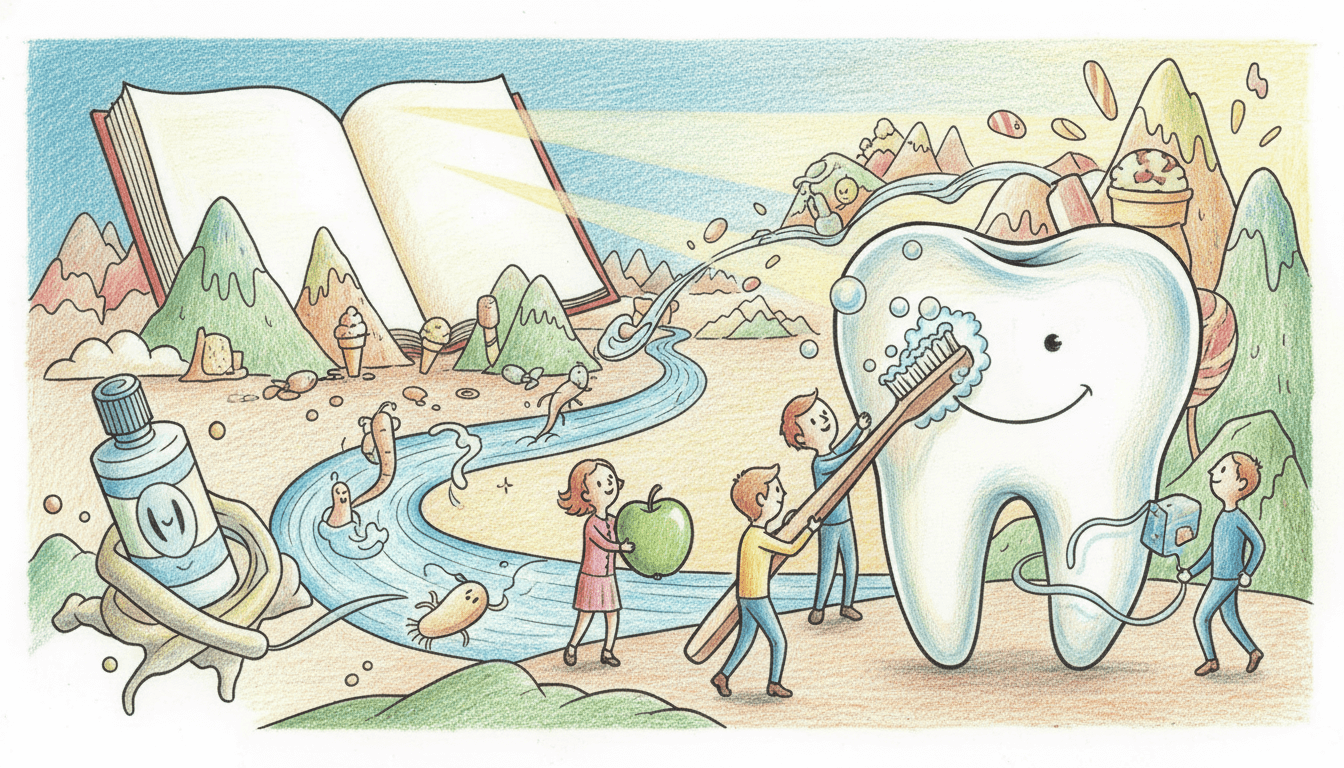
Preventing Tooth Decay and Gum Disease: A Comprehensive Guide to Optimal Oral Health cover

Preventing Tooth Decay and Gum Disease: A Comprehensive Guide to Optimal Oral Health

This detailed guide explores the critical factors behind tooth decay and gum disease, focusing on how bacteria in the mouth produce acids that damage tooth enamel and how sugary and starchy foods elevate risks. It provides evidence-based strategies for maintaining healthy teeth and gums through proper cleaning techniques, dietary adjustments, and regular dental check-ups every 6 months. Emphasizing preventive care, this article supports long-term oral wellness with practical, actionable steps.

9 min read57.4k

Oral health is fundamental to overall well-being, yet tooth decay and gum disease remain prevalent global issues. According to Dental Health Research, these conditions often stem from bacterial activity in the mouth, where acids produced by microbes weaken tooth enamel. Combined with dietary factors like sugary and starchy foods, this creates a high-risk environment for dental problems. This article delves into the science behind these challenges, offering comprehensive strategies for prevention through consistent hygiene practices, dietary modifications, and professional care. By understanding the mechanisms at play, individuals can adopt proactive measures to safeguard their oral health and maintain a vibrant smile.

1Understanding the Role of Bacteria in Oral Health

The human mouth hosts over 700 species of bacteria, with many forming plaque—a sticky biofilm on teeth. When these bacteria metabolize sugars from food, they produce acids such as lactic acid, which directly attack tooth enamel. This demineralization process, if unchecked, leads to cavities and tooth decay. Additionally, certain bacteria like Streptococcus mutans are particularly adept at thriving in acidic environments, exacerbating enamel erosion. Over time, plaque hardens into tartar, which harbors more bacteria and contributes to gum inflammation (gingivitis) and periodontitis. Research indicates that controlling bacterial colonies through effective cleaning is the first line of defense against these issues, emphasizing the need for daily brushing and flossing to disrupt plaque formation.

2High-Risk Foods and Their Impact on Dental Decay

Diet plays a pivotal role in oral health, with sugary drinks, processed foods, and starchy items like bread and crackers significantly increasing the risk of tooth decay. These foods provide fermentable carbohydrates that bacteria readily convert into acid, lowering the mouth's pH and accelerating enamel demineralization. For instance, frequent consumption of soda can reduce salivary pH to below 5.5—the critical threshold for enamel dissolution—within minutes. Starchy foods, though less obvious, break down into sugars in the mouth, prolonging acid exposure. To mitigate risks, limit intake of these items and opt for water, fibrous vegetables, and dairy products like cheese, which neutralize acids and promote remineralization. Integrating such dietary changes can reduce cavity incidence by up to 50%, as supported by dental studies.

3Essential Oral Hygiene Practices for Prevention

Effective oral hygiene is non-negotiable for preventing decay and gum disease. Brush teeth twice daily with fluoride toothpaste, using a soft-bristled brush at a 45-degree angle to gums to remove plaque without causing abrasion. Floss once daily to clean interdental spaces where brushes cannot reach, reducing the risk of gingivitis by 40%. Incorporate antimicrobial mouthwashes to further reduce bacterial load, and consider electric toothbrushes for improved plaque removal. Tongue cleaning is also crucial, as bacteria accumulate on its surface. For enhanced protection, use dental sealants on molars and fluoride treatments to strengthen enamel. These practices, when consistently applied, form a robust defense against oral diseases, aligning with professional guidelines from organizations like the American Dental Association.

4The Importance of Regular Dental Check-Ups

Routine dental visits every 6 months are vital for early detection and management of oral health issues. During these appointments, dentists perform professional cleanings to remove tartar buildup, apply fluoride treatments, and conduct examinations for cavities, gum disease, and oral cancer. X-rays may be taken to identify hidden problems, such as decay between teeth or bone loss. Early intervention can prevent minor issues from progressing into complex conditions requiring extensive treatments like root canals or extractions. Statistics show that individuals who attend biannual check-ups are 30% less likely to develop severe dental problems. Additionally, dentists provide personalized advice on hygiene techniques and diet, tailoring recommendations to individual risk factors such as genetics or medical conditions like diabetes.

5Integrating Diet and Lifestyle for Long-Term Health

Beyond basic hygiene, a holistic approach to oral health includes dietary and lifestyle adjustments. Reduce sugar intake to under 10% of daily calories, as recommended by the World Health Organization, and avoid snacking between meals to minimize acid attacks. Increase consumption of calcium-rich foods (e.g., milk, leafy greens) and phosphorous sources (e.g., nuts, eggs) to support enamel remineralization. Hydrate with fluoridated water to bolster tooth strength, and avoid tobacco products, which heighten gum disease and oral cancer risks. For those with dry mouth—a condition that reduces saliva's protective effects—sugar-free gum or lozenges can stimulate saliva flow. Combining these habits with stress management, as stress can lead to teeth grinding (bruxism), ensures comprehensive protection for lasting oral wellness.

Key Takeaways

  • Bacteria in the mouth produce acids that erode tooth enamel, leading to decay and gum disease.
  • Limit sugary drinks, processed foods, and starchy items to reduce cavity risks.
  • Brush twice daily with fluoride toothpaste, floss regularly, and use mouthwash for optimal hygiene.
  • Schedule dental check-ups every 6 months for early detection and professional cleaning.
  • Adopt a balanced diet and avoid tobacco to support long-term oral health.

Frequently Asked Questions

How often should I replace my toothbrush?

Replace your toothbrush every 3-4 months, or sooner if bristles are frayed, to ensure effective plaque removal and prevent bacterial buildup.

Can gum disease be reversed?

Early-stage gum disease (gingivitis) is reversible with improved oral hygiene and professional cleanings, but advanced periodontitis requires ongoing treatment to manage.

Are electric toothbrushes better than manual ones?

Yes, studies show electric toothbrushes can reduce plaque by up to 21% and gingivitis by 11% compared to manual brushes, thanks to their oscillating or sonic motions.

What foods help strengthen teeth?

Foods high in calcium (e.g., dairy), phosphorous (e.g., fish), and fiber (e.g., apples) support enamel strength and stimulate saliva, which neutralizes acids.

Conclusion

Preventing tooth decay and gum disease demands a multifaceted approach rooted in understanding bacterial dynamics, dietary influences, and consistent care. By embracing thorough oral hygiene, making informed food choices, and adhering to regular dental visits every 6 months, individuals can significantly reduce their risk of dental problems. Empower yourself with these evidence-based strategies to preserve not just your smile, but your overall health, and consult dental professionals for personalized guidance tailored to your needs.

Tags