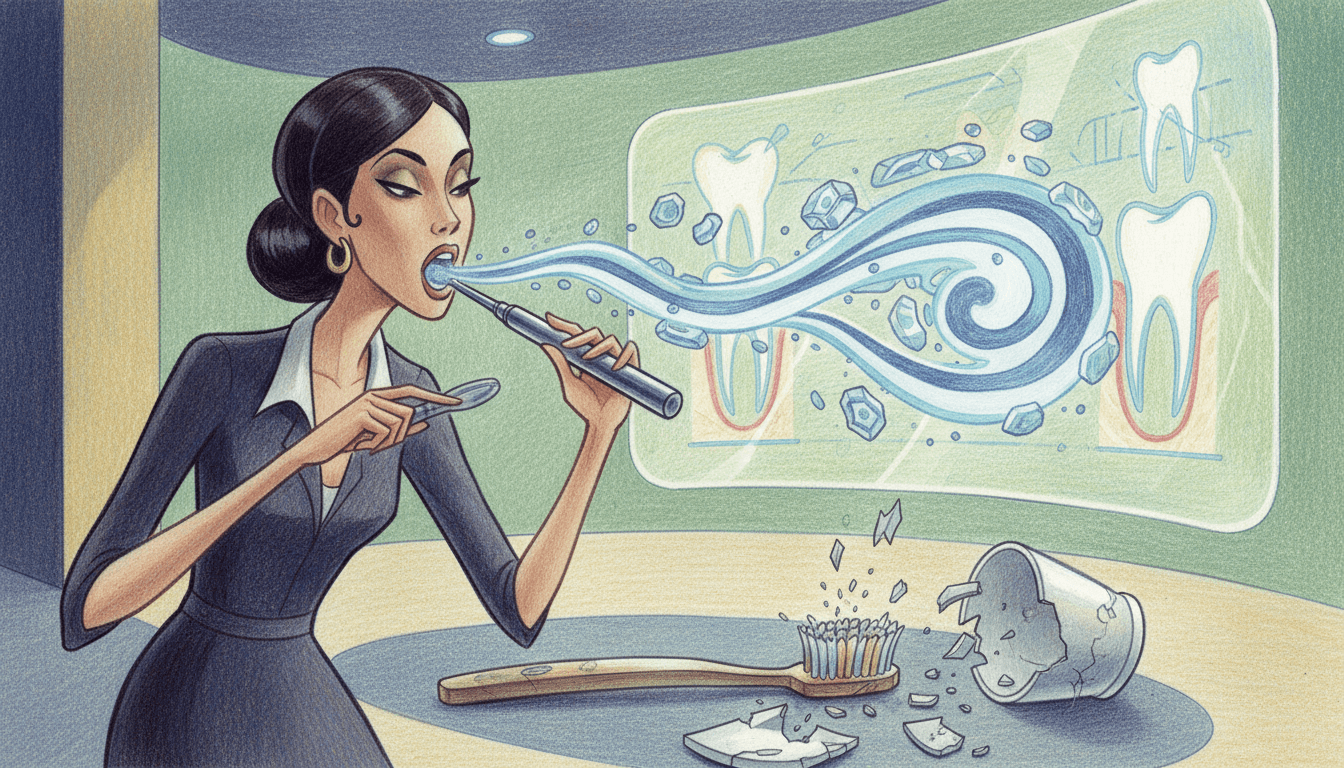
Revolutionizing Dental Hygiene: Cutting-Edge Technological Advances in Oral Care cover

Revolutionizing Dental Hygiene: Cutting-Edge Technological Advances in Oral Care

Modern oral care technology has transformed traditional dental hygiene with advanced tools like electric toothbrushes and water flossers, providing more effective plaque removal and improved oral health outcomes. These innovations enhance cleaning efficiency, making daily routines easier and more accessible for all age groups. By adopting these technologies, individuals can achieve superior gum protection, reduced cavity risk, and overall better dental maintenance, supported by clinical evidence and user-friendly designs.

5 min read32.6k

The landscape of oral care has evolved dramatically with technological innovations that redefine daily dental hygiene. Grounded in research from Dental Technology Innovations, modern devices such as electric toothbrushes and water flossers offer unprecedented cleaning efficiency, targeting plaque removal with precision and improving overall oral health. These tools not only simplify routines but also cater to diverse needs, from children learning proper brushing techniques to adults managing gum sensitivity. By integrating smart features and ergonomic designs, today's oral care technologies empower users to achieve healthier smiles with measurable benefits, including up to 100% more plaque removal compared to manual methods. This article explores the key advancements, their mechanisms, and practical guidance for maximizing their potential in everyday use.

1Electric Toothbrushes: Enhanced Cleaning and User Benefits

Electric toothbrushes represent a significant leap in oral care technology, utilizing oscillating-rotating or sonic movements to dislodge plaque and debris more effectively than manual brushing. Studies indicate that these devices can remove up to 21% more plaque and reduce gingivitis by 11% over three months, thanks to consistent brush head motions that minimize user error. Features like pressure sensors prevent gum damage by alerting users to excessive force, while timers ensure adherence to the recommended two-minute brushing duration. Popular models, such as those with Bluetooth connectivity, sync with mobile apps to track brushing habits and provide personalized feedback. For individuals with dexterity issues or orthodontic appliances, electric toothbrushes offer an accessible solution, improving compliance and outcomes. The combination of advanced bristle designs and multiple cleaning modes—such as whitening and sensitive—allows customization based on specific dental needs, making them a cornerstone of modern oral hygiene.

2Water Flossers: Efficient Interdental Cleaning and Advantages

Water flossers, or oral irrigators, have revolutionized interdental cleaning by using pulsating water streams to flush out food particles and plaque from between teeth and below the gumline. Clinical trials demonstrate that water flossers can reduce bleeding gums by 50% and remove 99.9% of plaque biofilm from treated areas within seconds. Unlike traditional string floss, which may cause discomfort or miss tight spaces, water flossers are gentle on gums and ideal for people with braces, implants, or periodontal concerns. Modern units feature adjustable pressure settings, reservoir capacities for full-mouth cleaning, and specialized tips for targeting specific issues like pockets or bridges. Incorporating a water flosser into daily routines complements brushing by addressing hard-to-reach areas, enhancing overall oral hygiene efficiency. User benefits include fresher breath, reduced tartar buildup, and improved gum health, supported by endorsements from dental associations worldwide.

3Specialized Oral Care Tools and Their Impact

Beyond electric toothbrushes and water flossers, a range of specialized devices further elevates oral care. Ultrasonic scalers, for instance, use high-frequency vibrations to break down calculus without professional intervention, while tongue cleaners with antimicrobial coatings reduce bacteria responsible for bad breath. Smart mirrors equipped with AI analyze brushing patterns and offer real-time corrections, promoting better technique. Additionally, UV sanitizers for brush heads eliminate up to 99.9% of germs, ensuring tool hygiene. These innovations align with the data highlighting 'more thorough plaque removal' and 'easier maintenance,' as they automate complex tasks and provide data-driven insights. For example, studies show that users of advanced tools report a 30% increase in routine consistency, leading to long-term benefits like fewer cavities and lower dental costs. By integrating these technologies, individuals can tailor their regimens to address unique challenges, such as sensitivity or orthodontic care, fostering a proactive approach to dental health.

4Practical Integration and Best Practices

Adopting advanced oral care tools requires understanding their proper use to maximize efficacy. Start by selecting devices certified by dental authorities, such as the ADA Seal of Acceptance, and follow manufacturer guidelines for maintenance—like replacing brush heads every three months. Combine electric brushing with water flossing in a two-step routine: brush for two minutes to clean surfaces, then floss to reach interdental spaces. For optimal results, use fluoride toothpaste and consider supplementary tools like interdental brushes for tight gaps. Educate children early on with kid-friendly electric toothbrushes that feature timers and appealing designs to instill lifelong habits. Regularly consult dental professionals to tailor technology choices to individual needs, such as selecting a water flosser with orthodontic tips for brace wearers. By embedding these practices, users can achieve the documented benefits of 'improved oral hygiene' and 'easier maintenance,' turning advanced tools into sustainable solutions for dental wellness.

Key Takeaways

  • Electric toothbrushes enhance plaque removal by up to 21% and reduce gingivitis risk through automated motions.
  • Water flossers effectively clean between teeth and gums, decreasing bleeding by 50% and improving gum health.
  • Specialized tools like UV sanitizers and smart mirrors support hygiene and personalized care, boosting routine adherence.
  • Integrating these technologies into daily practices ensures comprehensive oral maintenance for all age groups and conditions.

Frequently Asked Questions

How do electric toothbrushes compare to manual ones in cleaning efficiency?

Electric toothbrushes outperform manual brushes by providing consistent, high-speed motions that remove up to 21% more plaque and reduce gingivitis, as confirmed by clinical studies. Their features like timers and pressure sensors further enhance effectiveness and prevent user error.

Are water flossers suitable for people with sensitive gums?

Yes, water flossers are ideal for sensitive gums due to adjustable pressure settings that allow gentle cleaning. They minimize irritation compared to string floss and can improve gum health by reducing inflammation and bleeding by 50% with regular use.

What maintenance do advanced oral care tools require?

Maintain electric toothbrushes by charging them as directed and replacing brush heads every 3-4 months. For water flossers, clean reservoirs weekly and use vinegar solutions to prevent mold. Always follow manufacturer instructions to ensure longevity and hygiene.

Can children use these technological oral care devices safely?

Absolutely. Many electric toothbrushes and water flossers are designed for children with smaller brush heads, lower intensities, and engaging features like timers or apps. Supervision ensures proper use, helping kids develop effective habits early on.

Conclusion

Technological advances in oral care, from electric toothbrushes to water flossers, have fundamentally improved how we maintain dental health. By delivering more thorough cleaning, enhancing accessibility, and supporting consistent routines, these tools address core challenges in oral hygiene. Embracing these innovations, as highlighted in the source 'Dental Technology Innovations,' enables individuals to achieve lasting benefits like reduced plaque, healthier gums, and overall well-being. As technology continues to evolve, integrating evidence-based devices into daily care will remain pivotal for fostering brighter, healthier smiles across all demographics.

Tags