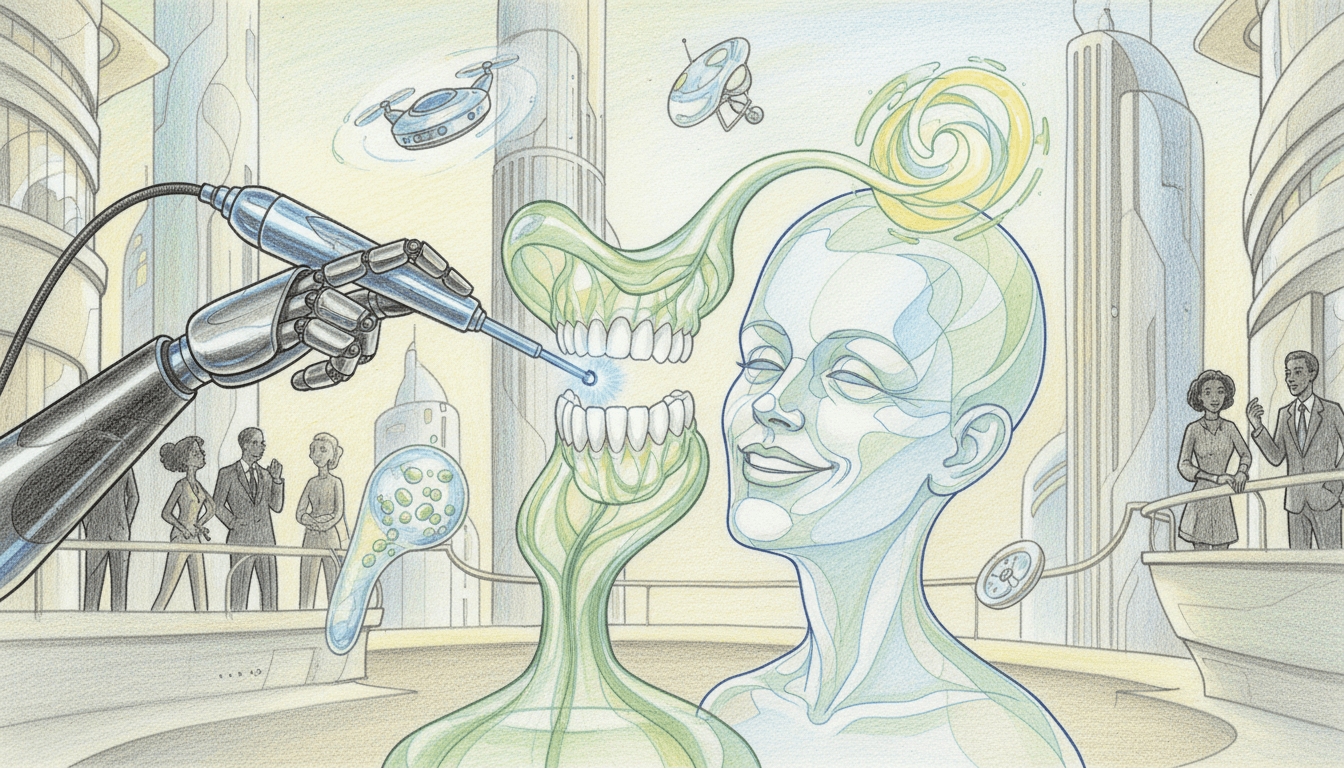
Advanced Dental Care Techniques: Mastering Modern Oral Hygiene
Explore cutting-edge dental care techniques designed to elevate your oral hygiene routine. This guide covers advanced cleaning methods, including interdental brushes and water flossers, proper brushing at a 45-degree angle with circular motions, and strategic cleaning of critical areas like between teeth, the gum line, and tongue. Learn from dental experts how to prevent plaque buildup, reduce gum disease risks, and maintain optimal oral health with evidence-based practices and innovative tools.
Oral hygiene is a cornerstone of overall health, yet many individuals rely on outdated or incomplete practices. Advanced dental care techniques, backed by scientific research and endorsed by dental professionals, offer a transformative approach to maintaining a healthy mouth. This guide delves into modern methods that go beyond basic brushing and flossing, incorporating specialized tools and precise techniques to address common challenges like plaque accumulation, gum inflammation, and hard-to-reach areas. By embracing these innovations, you can significantly reduce the risk of cavities, gingivitis, and other oral health issues, ensuring a brighter, healthier smile for years to come.
1The Evolution of Flossing: Beyond Traditional String
2Mastering the 45-Degree Brushing Technique
3Critical Areas for Comprehensive Cleaning
4Integrating Advanced Tools into Daily Routines
Key Takeaways
- Use interdental brushes or water flossers daily to clean between teeth, reducing plaque by up to 50%.
- Brush at a 45-degree angle with circular motions to protect gums and enamel while removing plaque effectively.
- Clean critical areas like the gum line, between teeth, and the tongue to prevent gingivitis and bad breath.
- Incorporate advanced tools consistently for a 29% higher reduction in gum inflammation compared to basic methods.
Frequently Asked Questions
Are water flossers as effective as traditional floss?
Yes, water flossers are clinically proven to be equally or more effective, especially for reducing gingivitis and cleaning around braces or implants. They remove debris and massage gums, enhancing overall oral health.
How often should I replace interdental brushes?
Replace interdental brushes every 1-2 weeks or when bristles appear worn. Regular replacement ensures optimal cleaning and prevents bacterial buildup on the tool itself.
Can improper brushing technique damage teeth?
Absolutely. Aggressive brushing at the wrong angle can cause enamel erosion, gum recession, and increased sensitivity. Always use a 45-degree angle with gentle, circular motions for safe and effective cleaning.
Why is cleaning the tongue important?
The tongue harbors bacteria that contribute to plaque, bad breath, and oral infections. Cleaning it daily reduces bacterial load by up to 85%, improving breath freshness and overall hygiene.
Conclusion
Advanced dental care techniques represent a significant leap forward in oral health management. By leveraging tools like interdental brushes and water flossers, mastering the 45-degree brushing method, and diligently cleaning critical areas, you can achieve a level of hygiene that surpasses conventional practices. These approaches, supported by data from dental experts, not only enhance daily routines but also provide long-term protection against common dental issues. Embrace these innovations to transform your oral care regimen, ensuring a healthier, more confident smile grounded in scientific precision and professional insight.