Nutritional and Lifestyle Factors in Oral Health: A Comprehensive Guide to Dental Wellness
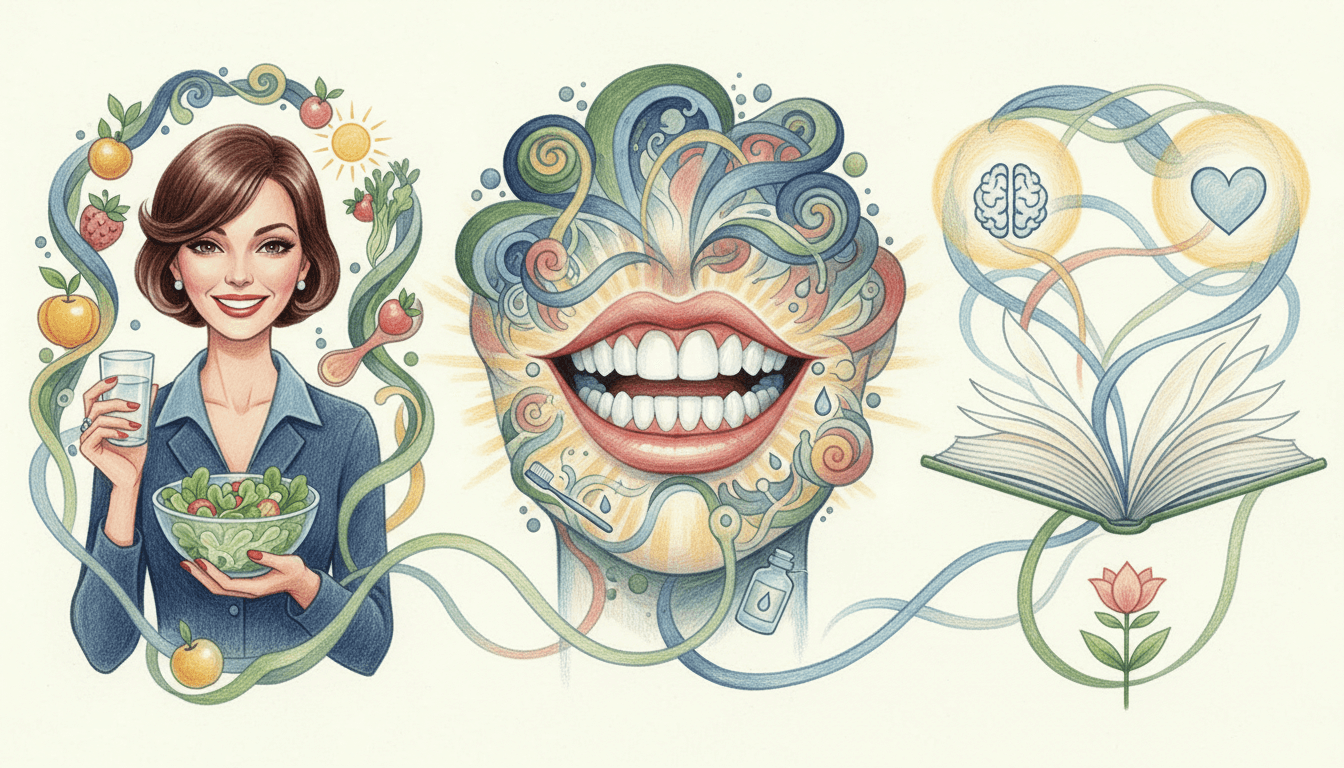
This in-depth guide explores the profound and often underestimated connection between daily dietary choices, lifestyle habits, and long-term oral health. Moving beyond basic brushing and flossing, it provides a scientific and strategic examination of how nutrition, hydration, and substance use directly influence dental hygiene, gum integrity, and systemic oral wellness. Readers will gain actionable insights into protective dietary strategies, risk mitigation for harmful habits, and holistic lifestyle modifications designed to fortify teeth, enhance saliva's natural defenses, and significantly reduce the risk of cavities, periodontal disease, and oral cancer, empowering informed decisions for a lifetime of healthier smiles.
Oral health is a critical component of overall wellness, yet it is frequently siloed from discussions on general nutrition and lifestyle. The mouth is not an isolated ecosystem; it is the primary gateway through which nutrients and harmful substances enter the body, making it a frontline indicator and participant in systemic health. This comprehensive guide, drawing on foundational research from the Nutrition and Oral Health Research Consortium, delves into the intricate, bidirectional relationship between what we consume, how we live, and the condition of our teeth and gums. Modern dental science confirms that while meticulous brushing and flossing are non-negotiable pillars of hygiene, they are insufficient alone to combat the chronic, cumulative effects of a poor diet, dehydration, and detrimental habits like smoking. Cavities, gingivitis, periodontitis, and oral cancers have strong modifiable risk factors rooted in daily choices. We will explore the biochemical warfare occurring in your mouth after a sugary snack, the protective mechanisms of adequate saliva, the devastating local and systemic impacts of tobacco, and the building-block nutrients essential for remineralizing enamel and maintaining robust connective tissue in the gums. This is not a simplistic list of 'good' and 'bad' foods, but a detailed framework for understanding the 'why' and 'how,' equipping you with the knowledge to make strategic, informed decisions that support a resilient, healthy oral environment for decades to come.
The Foundational Role of Diet in Dental Health Maintenance
The adage 'you are what you eat' holds profound truth for oral health, as the teeth and surrounding tissues are in constant, direct contact with dietary components. Diet's role extends far beyond the simplistic notion of sugar causing cavities; it involves a complex interplay of pH balance, nutrient availability for tissue repair, and the physical properties of food. Every time we eat or drink, we initiate a demineralization process where acids—produced by oral bacteria fermenting carbohydrates—leach calcium and phosphate from tooth enamel. Saliva naturally works to reverse this process through remineralization. A diet high in refined sugars and simple carbohydrates provides a constant fuel source for acid-producing bacteria like Streptococcus mutans, tipping the balance towards net demineralization and cavity formation. Conversely, a diet rich in whole foods supports oral health through multiple mechanisms. Protein sources provide phosphorus, a key mineral for enamel strength. Dairy products offer bioavailable calcium and casein, a protein that forms a protective film on enamel. However, the impact is also frequency-based: 'grazing' or sipping sugary beverages throughout the day creates a perpetually acidic environment, denying saliva the necessary 'recovery' periods to neutralize pH and repair microscopic damage. From a technical standpoint, the cariogenic potential of food is measured by its fermentable carbohydrate content, adhesiveness, and the duration it remains in the oral cavity. Sticky candies or dry crackers that lodge in fissures pose a higher risk than a quickly swallowed sugary drink, though both are detrimental. The long-term outlook emphasizes a shift from reactive cavity-filling to proactive, diet-modulated prevention. Emerging research into prebiotics and probiotics for the oral microbiome suggests future strategies may involve specifically cultivating beneficial bacteria to outcompete harmful strains, making dietary choices even more central to maintaining a balanced oral ecology and preventing disease.
Tobacco and Alcohol: A Dual Assault on Oral Conditions and Cancer Risk
The consumption of tobacco and excessive alcohol represents one of the most significant and preventable risk factors for a spectrum of severe oral diseases, with impacts that are both localized and systemic. Tobacco, in any form—cigarettes, cigars, smokeless tobacco, vaping—delivers a toxic cocktail of chemicals, including nicotine, tar, and carcinogens like nitrosamines, directly to oral tissues. Nicotine is a potent vasoconstrictor, drastically reducing blood flow to the gums. This impairs the delivery of oxygen, immune cells, and nutrients necessary for fighting infection and healing, which is why smokers exhibit significantly higher rates of progressive periodontitis, poorer response to periodontal therapy, and increased tooth loss. Furthermore, tobacco smoke and chewing tobacco juices irritate mucosal tissues, leading to leukoplakia (white precancerous patches) and erythroplakia (red patches). The combined effect of chemical carcinogens and chronic tissue injury dramatically elevates oral cancer risk; smokers are up to ten times more likely to develop oral cancers than non-smokers. Alcohol, particularly in heavy, chronic use, compounds this danger. It acts as a solvent, enhancing the penetration of tobacco carcinogens into oral mucosal cells. Acetaldehyde, a toxic metabolite of alcohol, is itself a recognized carcinogen that damages DNA and proteins in oral cells. Alcohol also causes dehydration, reducing the protective and cleansing flow of saliva. The synergistic effect of smoking and drinking is multiplicative, not merely additive; individuals who both smoke heavily and drink excessively have a risk of oral squamous cell carcinoma that is over 35 times higher than that of abstainers. Beyond cancer, these substances stain teeth, cause halitosis, dull the sense of taste, and contribute to delayed wound healing post-dentistry. The long-term outlook for cessation is promising: risk for oral cancer begins to decline within 5 years of quitting tobacco and alcohol, and periodontal health can show marked improvement as circulation returns. This underscores that lifestyle modification, though challenging, is a profoundly effective oral health intervention.
Hydration and Saliva Production: The Unsung Heroes of Oral Wellness
Often overlooked, saliva is the mouth's innate defense system, a complex biological fluid essential for maintaining oral homeostasis. Its importance cannot be overstated; adequate hydration is the fundamental prerequisite for its optimal production and function. Saliva is composed of over 99% water, but the remaining 1% contains a sophisticated arsenal of electrolytes, buffers, enzymes, antimicrobial compounds, and growth factors. Its primary roles include lubrication, digestion initiation, taste facilitation, and—most critically for oral health—cleansing and protection. The mechanical flow of saliva helps physically wash away food debris and loose bacterial plaque from tooth surfaces and soft tissues. Its buffering capacity, primarily through bicarbonate ions, is crucial for rapidly neutralizing the acids produced by plaque bacteria after eating, raising the oral pH back to a safe level to halt demineralization and promote remineralization. Saliva is supersaturated with calcium and phosphate ions, providing the raw materials to repair early enamel lesions in a process called remineralization. Furthermore, it contains antimicrobial agents like lysozyme, lactoferrin, and secretory IgA that help control the oral microbial population. Chronic dehydration, whether from inadequate water intake, excessive caffeine/alcohol consumption, medications (e.g., antihistamines, antidepressants), or medical conditions (e.g., Sjögren's syndrome), leads to xerostomia (dry mouth). This state creates a crisis for oral health. Without sufficient saliva, food and plaque accumulate rapidly, acids remain concentrated on tooth surfaces, the soft tissues become irritated and inflamed, and the risk of rampant tooth decay, fungal infections (like thrush), and debilitating mouth sores skyrockets. The long-term outlook involves recognizing hydration as a non-negotiable pillar of oral care. Strategies extend beyond just drinking water; they include using sugar-free gum with xylitol to stimulate salivary flow, employing humidifiers at night, and avoiding dehydrating substances. For individuals with chronic dry mouth, prescription saliva substitutes or stimulants may be necessary. Maintaining optimal hydration ensures this powerful, natural defense fluid can perform its vital protective functions 24/7.
Nutritional Strategies for Building Stronger Teeth and Resilient Gums
Moving beyond avoidance of harmful foods, proactive nutritional strategies focus on supplying the specific building blocks required for the structural integrity and continuous repair of oral tissues. Teeth and the periodontium (gums and supporting bone) are dynamic, living structures that require a constant influx of key nutrients. For enamel and dentin, the priority minerals are calcium and phosphorus. Dairy products, fortified plant milks, leafy greens, almonds, and canned fish with bones are excellent calcium sources. Phosphorus is abundant in protein-rich foods like meat, poultry, fish, eggs, and nuts. Vitamin D is the critical facilitator, as it regulates the absorption of calcium and phosphorus from the gut and their deposition into bone and tooth structure. Without sufficient Vitamin D (from sunlight, fatty fish, egg yolks, or supplements), dietary calcium cannot be utilized effectively. For the soft tissues of the gums and the periodontal ligament, Vitamin C is paramount. It is essential for collagen synthesis, the main structural protein that holds gum tissue tightly to the teeth and maintains the integrity of mucosal barriers. A deficiency in Vitamin C leads to scurvy, manifesting as swollen, bleeding gums and loose teeth—a stark demonstration of nutrition's direct role. Antioxidants like Vitamins A and E, and polyphenols found in fruits, vegetables, and green tea, help protect gingival cells from oxidative damage caused by inflammation. Omega-3 fatty acids, found in fatty fish and flaxseeds, have potent anti-inflammatory properties that can help modulate the body's immune response to periodontal pathogens. From a technical comparison, the bioavailability of nutrients matters: calcium from dairy may be more readily absorbed than from some plant sources containing oxalates, but a balanced diet can overcome this. The long-term outlook involves viewing diet as a foundational support system for professional dental care. Nutritional adequacy helps maintain the density of the alveolar bone that anchors teeth, ensures rapid healing after procedures, and bolsters the immune system's ability to manage the constant bacterial challenge in the mouth, creating a more resilient oral environment resistant to breakdown.
Comprehensive Lifestyle Modifications for Superior Oral Hygiene Outcomes
Oral hygiene transcends the two minutes spent brushing twice daily; it is a holistic practice woven into broader lifestyle choices. Effective lifestyle modifications address the behavioral, temporal, and systemic factors that influence oral disease risk. First, the timing of oral care is strategic. Brushing immediately after consuming acidic foods or drinks (like citrus or soda) can actually abrade softened enamel. Waiting 30-60 minutes allows saliva to neutralize the pH and begin remineralization. Similarly, if using a fluoride mouthwash, it should not be used immediately after brushing with fluoride toothpaste, as it rinses away the concentrated fluoride film; a separate time, like after lunch, is more effective. Stress management is a frequently ignored component. Chronic stress elevates cortisol levels, which can suppress the immune system and increase inflammation throughout the body, including the gums. Stress is also a common trigger for bruxism (teeth grinding and clenching), which causes excessive wear on tooth surfaces, fractures, and muscle pain. Using a night guard, practicing relaxation techniques, or addressing sleep apnea can be crucial interventions. Physical activity improves circulation, including to the oral tissues, and helps manage conditions like diabetes that are strongly linked to severe periodontitis. Furthermore, routine dental check-ups are a non-negotiable lifestyle habit for early detection and intervention, transforming potentially complex, expensive problems into simple, manageable ones. The long-term outlook for oral health is increasingly integrated with general wellness monitoring. Dentists may screen for signs of nutritional deficiencies, sleep disorders, and systemic inflammation, acting as frontline health practitioners. Adopting a lifestyle that prioritizes sleep, manages stress, includes regular exercise, and maintains consistent professional care creates a synergistic effect, where good general health reinforces good oral health, and vice-versa, leading to preserved function and aesthetics well into advanced age.
Risk Reduction Through Integrated Diet and Lifestyle Choices: A Systemic Approach
The most powerful approach to oral health is an integrated one, where dietary and lifestyle strategies are combined to create a synergistic, protective effect greater than the sum of their parts. Risk reduction is not about a single 'magic bullet' but about constructing a consistent, daily environment that is hostile to disease progression and supportive of tissue health. This systemic approach begins with understanding the common pathways of damage. For instance, a diet high in sugar and acid, combined with smoking and chronic stress, creates a perfect storm: constant acid attacks, reduced salivary defense, compromised blood flow, and a weakened immune response. Conversely, a balanced diet rich in protective nutrients, adequate hydration, tobacco abstinence, and good stress management work together to maintain a neutral pH, robust saliva flow, efficient immune surveillance, and strong tissue integrity. Technically, this can be visualized through the concept of 'oral health resilience.' A resilient oral system can withstand episodic challenges (like occasional sugary treats) without tipping into disease because its baseline defenses—saliva quality, nutrient stores, gum integrity—are high. Building this resilience requires a multi-faceted commitment. It means choosing water as a primary beverage, designing meals around whole foods, establishing a flawless daily hygiene routine that includes interdental cleaning, and eliminating high-risk habits. The long-term outlook is one of personalized prevention. With advances in genomics and microbiome testing, future strategies may involve highly tailored dietary recommendations based on an individual's specific oral bacterial profile and genetic susceptibility to caries or periodontitis. The goal shifts from merely treating disease to engineering a personal ecosystem where disease is unlikely to gain a foothold. This proactive, integrated model represents the future of preventive dentistry, empowering individuals to take control of their oral destiny through informed, daily choices that collectively forge a path to lifelong wellness.
Key Takeaways
FAQs
Is fruit sugar (fructose) as bad for my teeth as table sugar (sucrose)?
Both fructose and sucrose can be fermented by oral bacteria to produce acid. However, whole fruits are generally less harmful than concentrated sugars or juices. The fiber in whole fruit stimulates saliva flow, helps clean teeth, and reduces the fruit's overall stickiness and contact time. The water content also dilutes the natural sugars. It's far better to eat a whole apple than drink apple juice or eat a sticky fruit roll-up. Moderation and good timing (eating with meals rather than constantly snacking) are key.
I drink diet soda to avoid sugar. Is it safe for my teeth?
While diet soda eliminates the sugar that feeds bacteria, it is still highly acidic due to phosphoric and citric acids. This acid can directly erode tooth enamel through a process called dental erosion, which is different from decay but equally damaging. Sipping it over long periods is particularly harmful as it bathes teeth in acid. If you consume acidic drinks, do so with meals, use a straw to minimize contact, and rinse with water afterward. Do not brush immediately after.
Can improving my diet reverse gum disease?
Diet alone cannot reverse established, active gum disease (periodontitis), which requires professional treatment like scaling and root planing to remove hardened calculus (tartar) below the gumline. However, an optimal diet rich in Vitamin C, antioxidants, and anti-inflammatory nutrients like Omega-3s is a crucial adjunctive therapy. It supports the body's healing response after professional treatment, strengthens gum tissue, and helps manage the underlying inflammation, making long-term control of the disease much more achievable and reducing the risk of recurrence.
How does stress actually cause dental problems?
Stress contributes to dental problems through two primary pathways. First, psychological stress can lead to bruxism—unconscious clenching or grinding of teeth, often during sleep. This exerts excessive force, causing tooth wear, fractures, and jaw pain. Second, chronic stress elevates cortisol levels, a hormone that suppresses the immune system and increases systemic inflammation. This impairs the body's ability to fight off the bacterial infections that cause gum disease, making individuals more susceptible to gingivitis and periodontitis and slowing healing.
Are electric toothbrushes a worthwhile lifestyle investment for better oral health?
Yes, for most people, a quality electric toothbrush with a rotation-oscillation or sonic action is a significant lifestyle upgrade for oral hygiene. Clinical studies consistently show they remove more plaque and reduce gingivitis more effectively than manual brushing. They provide consistent motion and often have built-in timers to ensure adequate brushing time. For individuals with dexterity issues, arthritis, or a tendency to brush too hard (which can damage gums), an electric brush with pressure sensing can be particularly beneficial. It is an investment in more efficient, effective daily cleaning.
What is the single most important dietary change I can make for my teeth?
The single most impactful change is to eliminate or drastically reduce the frequency of sipping sugary or acidic beverages throughout the day. This includes soda, juice, sweetened coffee, and sports drinks. Constant sipping creates a perpetual acidic environment that saliva cannot counter, leading to rapid demineralization. Switch to water as your primary drink. If you consume a sugary/acidic drink, have it with a meal and finish it quickly rather than nursing it for hours.
Does chewing sugar-free gum really help?
Absolutely, provided it is sugar-free and contains non-cariogenic sweeteners like xylitol or sorbitol. Chewing stimulates saliva flow, which helps neutralize plaque acids, wash away food particles, and deliver remineralizing minerals to tooth surfaces. Xylitol has the added benefit of inhibiting the growth of Streptococcus mutans bacteria. Chewing for about 20 minutes after a meal or snack when you cannot brush is an excellent, evidence-based strategy to support oral health.
I have a healthy diet and good hygiene. Why do I still get cavities?
Several factors beyond obvious diet and hygiene can contribute. You may have deep tooth fissures that trap food and are hard to clean, requiring sealants. Your saliva may have a naturally lower buffering capacity or flow rate (which a dentist can test). Your oral microbiome may be dominated by highly cariogenic bacteria. You might have acid reflux (GERD), which brings stomach acid into the mouth. Or, you may be brushing too soon after acidic foods/drinks, abrading softened enamel. A dental professional can help identify your specific risk factors through examination and discussion.
How long after quitting smoking do oral health benefits begin?
Benefits begin almost immediately and accumulate over time. Within days to weeks, blood circulation to the gums improves, enhancing their ability to fight infection. Taste and smell begin to recover. Within months, the risk of leukoplakia (precancerous patches) decreases. Within 5-10 years of quitting, the risk of oral cancer drops significantly—by about 50% at the 5-year mark compared to a current smoker. Periodontal health also shows marked improvement, with reduced inflammation and better response to treatment.
Are there any specific foods that can naturally 'whiten' teeth?
No food can truly whiten teeth in the way professional bleaching agents do. However, crunchy fruits and vegetables like apples, celery, and carrots can help remove surface stains through their mild abrasive action as you chew. They also stimulate saliva, which helps rinse away stain-causing particles. Strawberries contain malic acid, which has a slight astringent effect on surface stains, but the effect is minimal and should not replace professional cleaning. The best dietary approach for a whiter smile is to avoid stain-causing foods/beverages (coffee, tea, red wine, berries) or consume them in a way that minimizes contact, such as using a straw.
Guide Conclusion
Achieving and maintaining optimal oral health is a lifelong journey that extends far beyond the bathroom sink. As this comprehensive guide has detailed, the foods we choose, the beverages we sip, the habits we keep, and the ways we manage our overall wellness are powerful determinants of dental destiny. The evidence is clear: a strategic approach that integrates nutrient-dense whole foods, vigilant hydration, the elimination of high-risk substances like tobacco, and stress-reducing lifestyle practices creates a synergistic defense system. This foundation makes daily brushing and flossing exponentially more effective and professional dental care more successful. By embracing the profound connection between lifestyle and oral health, you empower yourself to not only prevent cavities and gum disease but also to significantly reduce the risk of serious conditions like oral cancer. The path to a healthier, more resilient smile is paved with informed, daily choices. Start by implementing one or two changes from this guide, and build from there. Your mouth—and indeed, your entire body—will thank you for years to come.