Oral Health and Systemic Disease Prevention: A Holistic Medical Analysis
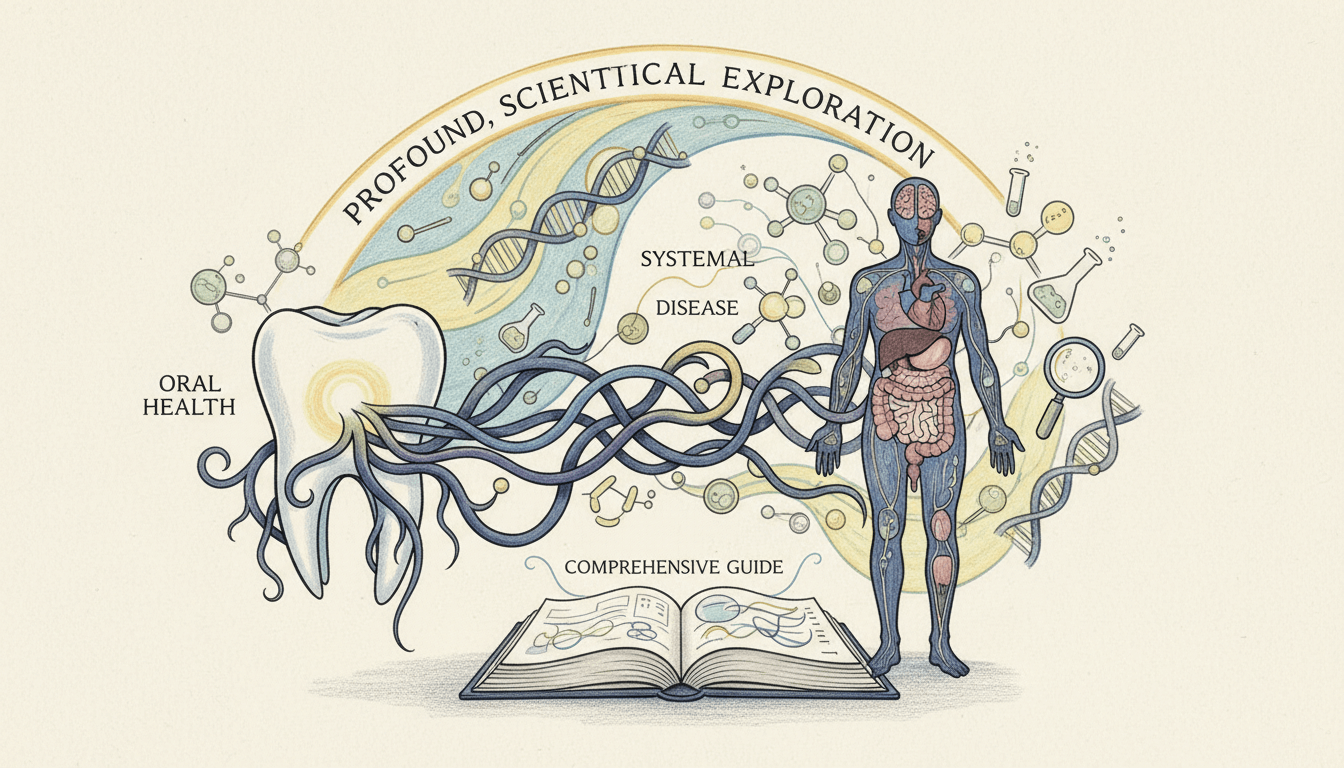
This comprehensive guide explores the profound, scientifically-validated connections between oral hygiene and overall systemic health. It details how periodontal disease and oral bacteria are not isolated issues but significant risk factors for cardiovascular disease, diabetes complications, respiratory infections, and adverse pregnancy outcomes. The article provides an exhaustive analysis of the biological mechanisms at play, underscores the critical importance of preventive dental care as a cornerstone of general wellness, and offers actionable, long-term strategies for integrating oral health into a holistic health management plan. Based on authoritative sources including the Mayo Clinic and National Institutes of Health, this is an essential resource for understanding and acting upon the mouth-body health link.
For decades, the field of dentistry operated in a silo, separate from the broader medical community. Teeth and gums were seen as a localized system, with care focused primarily on aesthetics, pain relief, and the prevention of cavities. However, a paradigm shift has occurred over the past twenty-five years, driven by a robust and growing body of clinical research. We now understand with unequivocal clarity that the mouth is not an isolated island but a dynamic gateway and mirror to the body's overall health. The state of one's oral cavity—specifically the health of the periodontal tissues—exerts a powerful influence on systemic wellness and is intricately linked to the prevention and management of chronic, life-altering diseases. This article, grounded in data from the Mayo Clinic and National Institutes of Health, serves as a comprehensive analysis of this intricate connection. We will move beyond superficial summaries to explore the cellular and inflammatory pathways that tie gingivitis to coronary artery disease, examine how oral bacteria can seed infections in distant organs, and detail why consistent, high-quality oral hygiene is one of the most impactful yet underutilized strategies in preventive medicine. This is not merely about achieving a brighter smile; it is about leveraging dental care as a fundamental tool for safeguarding cardiovascular integrity, metabolic stability, respiratory function, and cognitive health, thereby reducing the long-term burden of medical interventions and enhancing quality of life.
The Inflammatory Bridge: Periodontal Disease and Systemic Inflammation
The central mechanism linking oral health to systemic disease is chronic inflammation. Periodontal disease (gingivitis and its advanced form, periodontitis) is fundamentally an inflammatory condition triggered by a dysbiotic biofilm—an imbalance of pathogenic bacteria—accumulating at and below the gumline. In a healthy mouth, a controlled inflammatory response helps manage bacterial load. In periodontitis, this response becomes dysregulated and excessive. The inflamed gum tissue develops deep pockets, creating a large, ulcerated surface area—often equivalent to the palm of a hand in severe cases. This ulcerated tissue acts as a constant portal for bacterial byproducts, such as lipopolysaccharides (LPS or endotoxins), and inflammatory mediators, primarily cytokines like interleukin-1β (IL-1β), interleukin-6 (IL-6), and tumor necrosis factor-alpha (TNF-α), to enter the bloodstream. This phenomenon is known as bacteremia and inflammatory spillover. Once in circulation, these agents contribute to a state of low-grade, systemic inflammation. Elevated levels of C-reactive protein (CRP), a key hepatic inflammatory marker produced in response to IL-6, are consistently observed in patients with periodontitis. Systemic inflammation is a known accelerant and contributor to the pathogenesis of atherosclerosis, insulin resistance, and rheumatoid arthritis. Thus, the mouth becomes a perpetual factory for pro-inflammatory compounds that flood the body, placing constant stress on the vascular endothelium, impairing insulin signaling pathways, and potentially exacerbating autoimmune responses. This establishes periodontal disease not as a local oral problem, but as a chronic inflammatory disease with measurable systemic consequences, setting the stage for the development or worsening of conditions far beyond the gums.
Cardiovascular Consequences: The Oral-Systemic Link to Heart Disease and Stroke
The association between oral health and cardiovascular disease (CVD) is among the most studied and compelling connections. Multiple large-scale epidemiological studies and meta-analyses have identified periodontitis as an independent risk factor for coronary heart disease, acute myocardial infarction (heart attack), and ischemic stroke, even after adjusting for traditional confounders like smoking, diabetes, and socioeconomic status. The pathological links operate through several interconnected pathways. First, as described, the systemic inflammatory burden from periodontitis directly damages the vascular endothelium, the delicate lining of arteries. This damage initiates and propagates the formation of atherosclerotic plaques. Second, specific oral pathogens, notably Porphyromonas gingivalis and Streptococcus sanguinis, have been found within atherosclerotic plaques themselves. These bacteria may travel from the mouth via transient bacteremia and directly invade endothelial cells, where they can persist, provoking local inflammation and contributing to plaque instability. P. gingivalis, in particular, produces enzymes called gingipains that can modify host proteins, including LDL cholesterol, making them more pro-atherogenic. Third, the body's immune response to chronic oral infection can induce a hypercoagulable state, increasing platelet aggregation and the risk of thrombus (clot) formation, which can occlude a narrowed coronary or cerebral artery. The long-term outlook is significant: managing periodontal disease is increasingly viewed as a component of cardiovascular risk reduction. While not yet a standard primary prevention measure like statin therapy, the evidence suggests that effective periodontal treatment can lead to improved endothelial function, reduced arterial thickness, and a modest decrease in systemic inflammatory markers. For patients with existing heart conditions, optimal oral hygiene is paramount to prevent bacteremia from dental procedures from seeding infections on damaged heart valves or prosthetic devices, a condition known as infective endocarditis.
A Bidirectional Relationship: Periodontal Disease and Diabetes Mellitus
The connection between diabetes and periodontal disease is a classic example of a bidirectional, synergistic relationship. Each condition adversely affects the other, creating a vicious cycle of deterioration. On one hand, diabetes, particularly when poorly controlled, significantly increases the risk and severity of periodontitis. Hyperglycemia impairs neutrophil (white blood cell) function, diminishes collagen production and repair, and increases inflammation in all tissues, including the gums. This creates a host environment that is more susceptible to bacterial infection and less capable of healing. Consequently, individuals with diabetes are three times more likely to develop periodontitis, and they often experience more rapid bone loss and more severe disease. On the other hand, periodontitis actively worsens glycemic control in diabetes. The chronic systemic inflammation stemming from the infected gums increases insulin resistance, making it more difficult for cells to utilize insulin effectively. This leads to elevated blood glucose levels. Furthermore, the inflammatory cytokines can directly damage pancreatic beta-cells. Clinical trials have consistently demonstrated that non-surgical periodontal therapy—such as scaling and root planing—can lead to a statistically significant reduction in HbA1c, the key long-term marker of blood sugar control, with reductions typically ranging from 0.3% to 0.6%. This improvement is comparable to the effect of adding a second glucose-lowering medication. Therefore, periodontal management is not just dental care for diabetic patients; it is an integral component of their metabolic disease management. The long-term outlook emphasizes an interdisciplinary care model where endocrinologists and periodontists collaborate. Effective co-management can reduce diabetes complications (neuropathy, nephropathy, retinopathy), decrease healthcare costs, and improve quality of life by breaking the destructive cycle between hyperglycemia and oral infection.
Beyond the Heart and Metabolism: Oral Health's Role in Respiratory, Pregnancy, and Cognitive Outcomes
While cardiovascular and metabolic links are prominent, the systemic reach of oral health extends into other critical areas. The respiratory system is directly impacted via aspiration. Pathogenic oral bacteria from plaque biofilm can be inhaled into the lower airways and lungs. In vulnerable individuals, such as the elderly, hospitalized patients, or those with chronic obstructive pulmonary disease (COPD), this can lead to aspiration pneumonia and exacerbate existing lung conditions. Improving oral hygiene in institutional settings has been shown to reduce mortality from hospital-acquired pneumonia. Regarding pregnancy, maternal periodontitis has been associated with an increased risk of adverse outcomes, including preterm birth, low birth weight, and preeclampsia. The proposed mechanism involves oral bacteria or their inflammatory products reaching the placental unit via the bloodstream, triggering an inflammatory response that can induce premature labor. Although study results have varied, the potential risk is significant enough for organizations to recommend oral health evaluation and care as part of prenatal management. An emerging and critical area of research involves the oral-brain axis. Chronic systemic inflammation from periodontitis is a suspected contributor to neuroinflammation, a key process in neurodegenerative diseases like Alzheimer's. Notably, P. gingivalis and its gingipain enzymes have been detected in the brains of Alzheimer's patients. Animal models show that oral infection with this pathogen can lead to increased production of beta-amyloid plaques, a hallmark of the disease. While causation is not yet proven, the association suggests that maintaining oral health could be a modifiable risk factor for cognitive decline. Furthermore, rheumatoid arthritis (RA) shares inflammatory pathways with periodontitis, and both conditions are associated with similar genetic predispositions and citrullinated proteins. Treating periodontitis may modestly improve RA disease activity scores. These diverse connections underscore that the mouth is a sentinel for and a contributor to systemic wellness across virtually all medical specialties.
The Foundation of Prevention: Daily Oral Hygiene as Primary Medical Intervention
Given the profound systemic implications, daily oral hygiene must be reframed not as a cosmetic routine but as a critical, evidence-based preventive health intervention. The goal is to mechanically and chemically disrupt the pathogenic biofilm (dental plaque) before it matures and triggers the destructive inflammatory cascade. The cornerstone is twice-daily brushing with a fluoride toothpaste using a proper technique (e.g., modified Bass method) to clean at the gumline. However, brushing alone cleans only about 60% of tooth surfaces. Interdental cleaning is non-negotiable. Daily flossing or using interdental brushes is essential to remove plaque from between teeth, where periodontitis often begins. The choice between floss and interdental brushes should be based on the size of the spaces between teeth; brushes are often more effective for larger gaps. Antimicrobial mouthwashes, particularly those containing essential oils or chlorhexidine (for short-term therapeutic use), can provide a chemical adjunct to mechanical cleaning, reducing bacterial load. Diet plays a crucial role; limiting frequent exposure to fermentable carbohydrates starves the cariogenic and periodontopathic bacteria. Hydration supports saliva flow, the body's natural defense mechanism that buffers acids, remineralizes enamel, and flushes debris. The long-term outlook for preventive care is one of personalized, technology-enhanced regimens. Electric toothbrushes with pressure sensors and timers, water flossers for those with dexterity issues or dental work, and even at-home salivary diagnostic tests to monitor inflammatory markers are moving preventive care from a generic recommendation to a tailored health strategy. Consistency is paramount; sporadic care allows biofilm to mature, re-initiate inflammation, and negate previous benefits. This daily discipline is the most cost-effective and accessible method to mitigate systemic disease risk originating from the oral cavity.
Professional Care Integration: The Role of Dentistry in Holistic Health Monitoring
While personal hygiene is the first line of defense, professional dental care is the essential second layer and a vital component of integrated health monitoring. Routine dental examinations and cleanings (prophylaxis) are not merely about finding cavities; they are screening appointments for systemic health. Dentists and dental hygienists are often the first healthcare providers to detect signs of systemic conditions. Unexplained rampant caries may point to xerostomia from Sjögren's syndrome or uncontrolled diabetes. Severe, refractory periodontitis in a young patient might suggest an undiagnosed immune disorder or genetic condition. Oral lesions can be manifestations of nutritional deficiencies, viral infections like HIV, or autoimmune diseases like lichen planus. The dental professional's role extends beyond screening to active intervention. Scaling and root planing (a deep cleaning) is the gold standard non-surgical treatment for periodontitis, physically removing calculus and biofilm from root surfaces to allow tissue healing and reduce the inflammatory burden. For patients at high systemic risk (e.g., cardiac history, prosthetic joints, diabetes), dentists collaborate with physicians to determine the need for antibiotic prophylaxis or to coordinate care plans. The long-term outlook is for even tighter integration. Electronic health records shared between medical and dental providers, chairside salivary tests for systemic inflammatory markers, and referral protocols for patients with signs of diabetes or hypertension are becoming more common. The dental visit is evolving into a wellness checkpoint where data on oral health directly informs a patient's overall health risk profile, enabling early intervention and truly holistic, patient-centered care that addresses the individual as a complete biological system, not a collection of separate parts.
Key Takeaways
FAQs
Is the link between gum disease and heart disease proven, or is it just a correlation?
The link is supported by a vast body of evidence demonstrating a strong, independent association. While definitive proof of causation in humans is ethically impossible to establish (you cannot deliberately give people gum disease to see if they get heart attacks), the evidence is highly persuasive. We have: 1) Strong epidemiological data showing people with periodontitis have a higher incidence of heart disease. 2) Plausible biological mechanisms (inflammation, bacteremia, direct bacterial invasion of arteries). 3) Intervention studies showing that treating gum disease improves markers of vascular health (like endothelial function) and reduces systemic inflammation. Leading health organizations like the American Heart Association acknowledge the association as significant.
How often should I really see the dentist if I want to prevent systemic problems?
The standard recommendation of every six months is a good baseline for most adults with generally healthy mouths. However, frequency should be personalized based on your individual risk profile. Patients with active periodontitis, diabetes, a history of cardiovascular disease, or a strong genetic predisposition to gum disease may need maintenance cleanings every 3-4 months. Smokers and those with dry mouth (xerostomia) also typically require more frequent care. Your dentist will assess your biofilm accumulation rate, inflammation levels, and systemic health risks to recommend an optimal recall schedule. The goal is to prevent the re-establishment of pathogenic biofilm before it causes tissue damage.
Can using a water flosser replace traditional string floss?
For the purpose of reducing gingivitis and removing interdental plaque, a water flosser (oral irrigator) is not only an acceptable alternative but can be superior for many individuals, especially those with braces, bridges, implants, or dexterity challenges that make flossing difficult. Clinical studies show water flossers are highly effective at reducing gingival bleeding and biofilm. They are particularly good at flushing out debris from pockets and around orthodontic appliances. For tight contacts between teeth, string floss may still be necessary to mechanically scrape plaque off the tooth surfaces. The best tool is the one you will use consistently and effectively. For most people, a combination or choosing one based on their specific dental anatomy is ideal.
I have diabetes. What special oral care precautions should I take?
Vigilant oral care is a crucial part of diabetes management. First, strive for excellent glycemic control, as this will improve your body's ability to fight oral infections. Second, be meticulous with daily brushing and interdental cleaning. Third, inform your dentist of your diabetes status and HbA1c level. You likely need professional cleanings at least every six months, possibly more often. Be alert for signs of gum disease (bleeding, redness, swelling, bad breath) and report them immediately. Dry mouth is a common side effect of some diabetes medications; use sugar-free lozenges or saliva substitutes, and be extra diligent with fluoride use to prevent cavities. Any dental infection should be treated promptly, as it can disrupt your blood sugar levels.
Are there specific oral bacteria I should be worried about?
Yes, the oral microbiome contains over 700 species, but a group of bacteria are recognized as major periodontal pathogens. These are often called the 'red complex' bacteria and include Porphyromonas gingivalis, Tannerella forsythia, and Treponema denticola. These bacteria are strongly associated with tissue destruction and deep pocket formation. Other notable pathogens include Aggregatibacter actinomycetemcomitans and Fusobacterium nucleatum. It's important to understand that disease is caused by a dysbiotic community shift, not a single 'bad' bacterium. The goal of hygiene is to disrupt the entire biofilm, preventing these pathogenic species from becoming dominant. Specialized microbial tests can identify these pathogens, but they are typically used for diagnosing and managing severe, refractory periodontitis.
What is the single most important thing I can do for my oral health to protect my overall health?
If one must be chosen, it is the consistent, daily mechanical removal of dental plaque biofilm from ALL tooth surfaces, with a specific emphasis on the plaque at and under the gumline. This means brushing effectively twice daily with a fluoride toothpaste and cleaning between your teeth every single day without exception. This simple, disciplined action prevents the initial gingival inflammation that, if left unchecked, can escalate into periodontitis and its associated systemic inflammatory burden. Consistency is far more critical than any specific product or occasional intensive cleaning.
Can good oral health reverse existing systemic disease?
Good oral health is a powerful management and risk-reduction tool, but it is not a cure for established systemic diseases like coronary artery disease or type 2 diabetes. However, it can significantly improve disease control and outcomes. For example, treating periodontitis can lead to better blood sugar control in diabetics (lower HbA1c), potentially reducing medication needs and complication risks. It can improve endothelial function and reduce systemic inflammation in cardiac patients, which may slow atherosclerosis progression. Think of optimal oral hygiene as a vital, supportive therapy that works synergistically with your medical treatments to achieve the best possible health outcome and quality of life.
How does smoking affect the oral-systemic health link?
Smoking is a devastating confounder that massively exacerbates the risks. It is a leading cause of periodontitis, causing reduced blood flow to the gums, which masks the typical bleeding symptom (leading to under-diagnosis), impairs healing, and directly damages periodontal tissues. Smokers with periodontitis have a much higher risk of tooth loss. Furthermore, smoking independently and powerfully increases the risk for all the systemic conditions linked to oral health—cardiovascular disease, lung disease, diabetes complications, and cancer. Therefore, in a smoker, the oral and systemic risks are not just added together; they are multiplied. Quitting smoking is the most impactful single change a person can make for both their oral and overall health.
Guide Conclusion
The evidence is conclusive and actionable: the health of your mouth is inextricably woven into the fabric of your overall physiological well-being. Oral hygiene transcends cosmetic appeal, emerging as a foundational pillar of preventive medicine. The chronic inflammatory disease of periodontitis acts as a silent amplifier for systemic conditions affecting the heart, metabolism, lungs, and brain. By committing to a rigorous, daily routine of biofilm disruption through proper brushing and interdental cleaning, and by partnering with dental professionals for regular, integrated care, you actively defend against this internal threat. This holistic approach—where dental and medical care inform each other—represents the future of healthcare. It empowers individuals to take control of a significant modifiable risk factor, paving the way for not just a healthier smile, but for a longer, healthier life with reduced disease burden. The journey to systemic wellness truly begins with the simple, profound act of caring for your mouth.